State-Level Guidelines for EV Parking & Charging Facilities

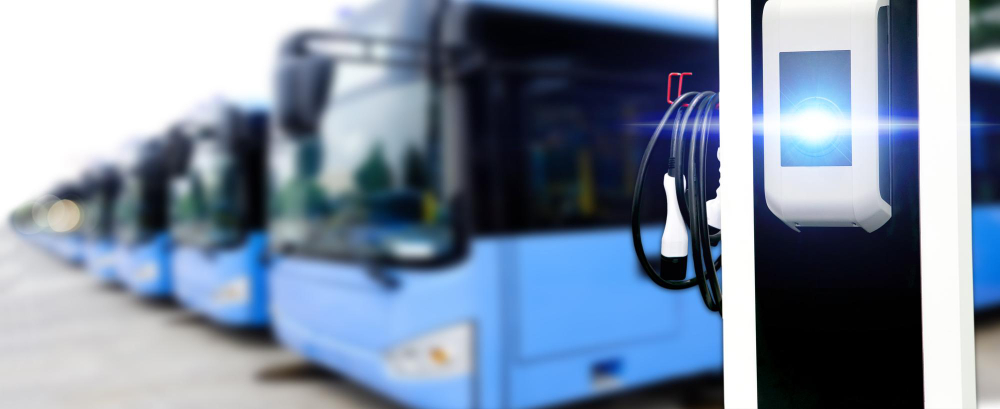
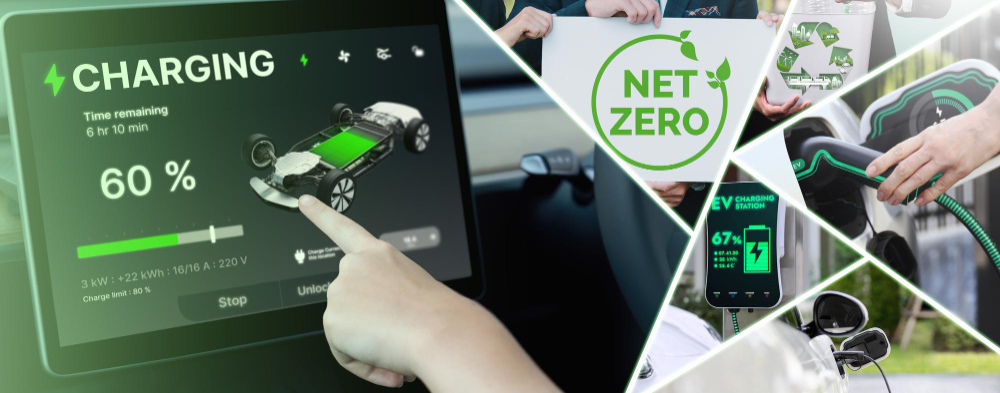
The rapid growth of electric vehicles (EVs) requires not only more vehicles on the road but also robust infrastructure for parking and charging. Recognizing this, state governments across India are introducing guidelines to ensure safe, efficient, and accessible EV parking and charging facilities. These measures aim to standardize infrastructure, encourage adoption, and support a seamless transition to electric mobility.
Regulatory Framework and Compliance
State-level guidelines define standards for EV parking spaces, charging station installation, and safety protocols. These regulations ensure that EV infrastructure meets technical requirements, follows fire and electrical safety norms, and provides sufficient accessibility for users. Clear compliance rules reduce operational risks and encourage private players to invest in EV infrastructure.
Incentives for Developers and Businesses
Many states provide financial incentives, such as subsidies, tax exemptions, and reduced land costs, to encourage the development of EV parking and charging facilities. By supporting private developers and businesses, these policies accelerate the creation of widespread infrastructure, making EV ownership more convenient for consumers across cities and highways.
Integration with Urban Planning
State guidelines often integrate EV infrastructure with broader urban planning initiatives. This includes prioritizing EV parking in residential complexes, commercial centers, public transport hubs, and highway corridors. Proper integration ensures that charging and parking facilities are strategically located, accessible, and aligned with sustainable urban mobility goals.
Conclusion
State-level guidelines for EV parking and charging facilities are crucial to building a reliable and user-friendly infrastructure network. By providing regulatory clarity, incentives for developers, and integration with urban planning, states are creating an environment that encourages EV adoption and supports the transition to cleaner, greener transportation.
Share this content:

Post Comment