The Rise of Electric Cargo and Delivery Vehicles
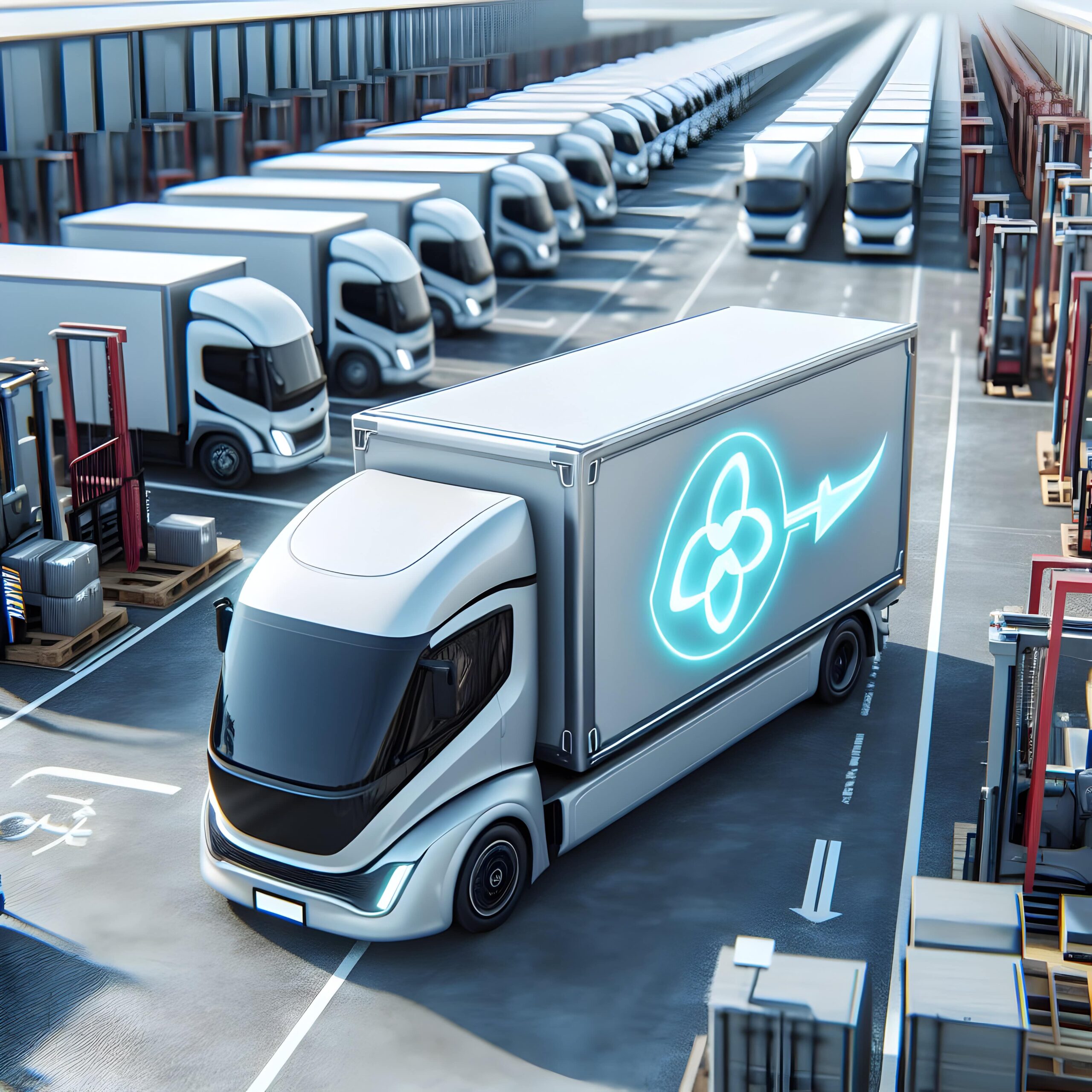
The logistics and delivery sector is rapidly evolving, and electric cargo and delivery vehicles are at the forefront of this transformation. As e-commerce grows and cities aim to reduce pollution, electric commercial vehicles offer an eco-friendly, cost-effective, and efficient solution for urban and regional deliveries.
Environmental and Economic Benefits
Electric cargo vehicles produce zero tailpipe emissions, helping cities combat air pollution and meet climate targets. They also lower operating costs due to cheaper electricity compared to diesel or petrol and reduced maintenance needs thanks to fewer moving parts in electric drivetrains.
Challenges in Adoption
Despite their advantages, electric cargo vehicles face challenges such as limited range, high upfront costs, and charging infrastructure gaps, especially for long-haul deliveries. Battery weight and energy density also constrain payload capacity, which can affect logistics planning.
Market Trends and Future Outlook
The market for electric delivery vehicles is expanding rapidly, driven by e-commerce growth, government incentives, and corporate sustainability initiatives. Companies are increasingly investing in fleets of electric vans and trucks, and technological advancements promise longer ranges, faster charging, and improved battery life.
Conclusion
Electric cargo and delivery vehicles are set to revolutionize the logistics industry by reducing emissions and operating costs. While challenges remain, continued technological improvements and supportive policies will accelerate adoption, paving the way for cleaner, more efficient urban and regional delivery networks.
Share this content:



Post Comment