Charging Infrastructure for Two-Wheeler and Three-Wheeler EVs
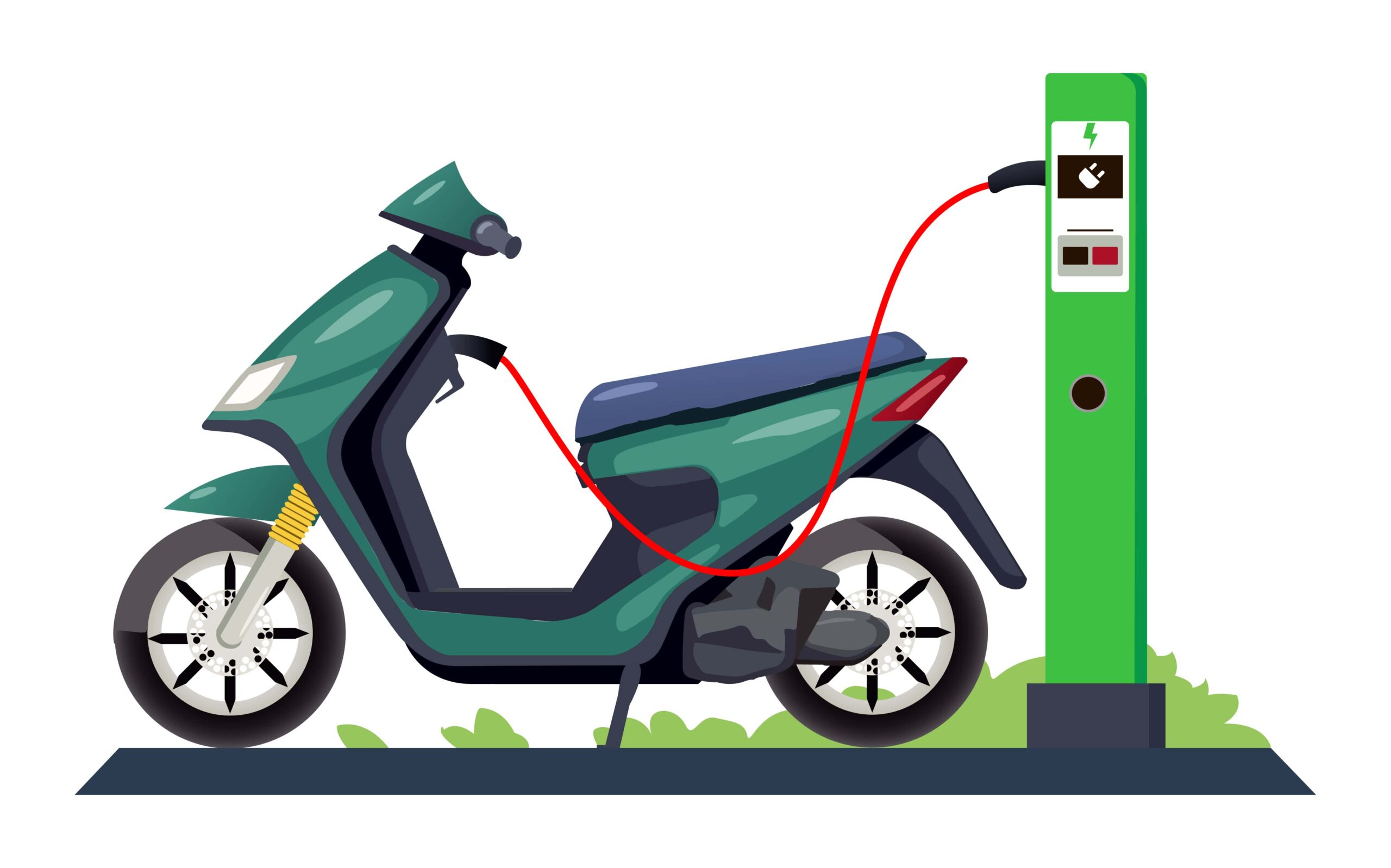
India’s electric mobility revolution is being led by two-wheelers and three-wheelers, which dominate urban and semi-urban transport. Affordable pricing, low running costs, and government incentives are driving adoption. However, the success of these EV segments depends on building a robust, accessible, and affordable charging infrastructure tailored to their needs.
Tailored Charging for Two-Wheelers
Electric two-wheelers typically use smaller batteries than cars, allowing them to be charged at home using regular sockets. Urban areas are seeing the rise of fast-charging kiosks for scooters and bikes in key locations like office complexes, shopping centers, and metro stations. Battery-swapping stations are also growing in popularity, enabling riders to exchange depleted batteries for fully charged ones within minutes—ideal for quick urban commutes.
Dedicated Facilities for Three-Wheelers
Electric three-wheelers, such as e-autos and cargo rickshaws, require higher-capacity charging options due to heavier usage. Fleet depots and commercial hubs are increasingly installing high-speed chargers and swapping stations designed specifically for these vehicles. Government schemes and private investments are also expanding public charging stations at bus terminals, marketplaces, and industrial zones, reducing downtime and improving service efficiency.
Policy Support and Public-Private Partnerships
Government initiatives like FAME-II and state-level subsidies are encouraging both public and private players to build charging solutions for two- and three-wheelers. Public-private partnerships (PPPs) are enabling faster rollout of infrastructure, concessional electricity rates, and incentives for battery-swapping networks. These measures ensure that even tier-2 and tier-3 cities have adequate access to charging facilities.
Conclusion
Building a strong charging infrastructure for two-wheelers and three-wheelers is essential to sustain India’s electric mobility push. Home charging, fast chargers, and battery-swapping stations—backed by government policies and private sector investment—will make EV adoption more convenient and practical for everyday commuters and fleet operators alike. This integrated approach is key to making India’s transport greener, cleaner, and more efficient.
Share this content:


Post Comment