How GST Reduction is Making EVs Affordable in India
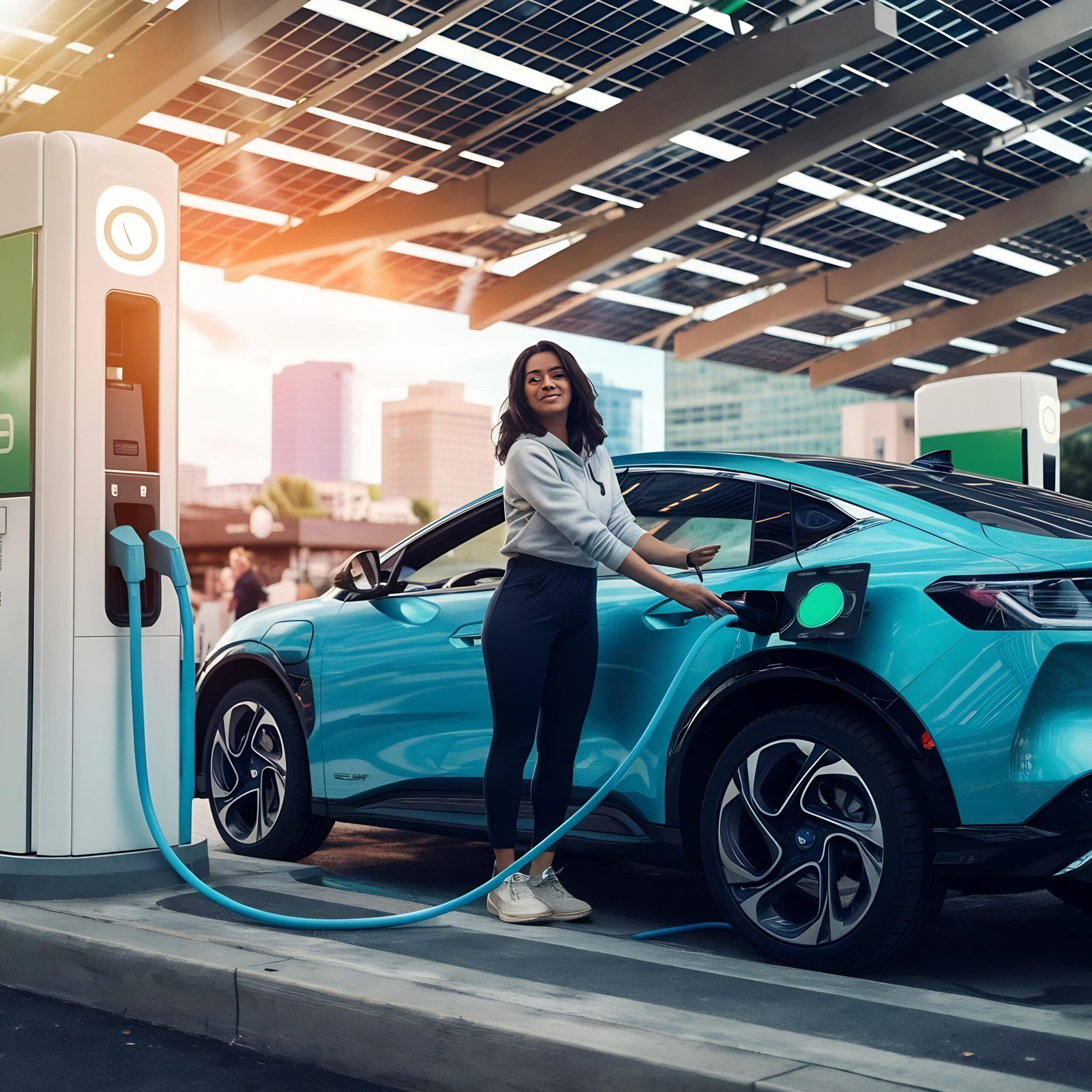
The Goods and Services Tax (GST) plays a crucial role in determining the price of electric vehicles (EVs) in India. Recognising the importance of clean mobility, the Government of India reduced GST on EVs from 12% to 5% in 2019, making them significantly more affordable for consumers. This tax cut, combined with other incentives, is one of the strongest drivers of EV adoption across the country.
Lower Purchase Costs for Consumers
The reduction of GST to 5% has directly lowered the ex-showroom price of EVs, making them more attractive compared to petrol and diesel vehicles. This benefit applies to electric two-wheelers, cars, three-wheelers and buses. The lower tax rate also extends to EV chargers and charging stations, reducing the overall cost of ownership and infrastructure.
Boost to EV Manufacturers and Dealers
A lower GST rate improves the affordability of EVs for end users, which in turn boosts demand. Higher demand encourages manufacturers to scale production and dealers to expand their EV offerings. This virtuous cycle helps bring down costs further through economies of scale, making EVs competitive with internal combustion engine vehicles in the long run.
Complementary Benefits with Other Incentives
The GST cut works alongside other schemes such as FAME-II subsidies, state-level purchase incentives and tax deductions on loan interest (Section 80EEB). Together, these measures reduce both the upfront and lifecycle costs of EV ownership, making them accessible to a broader segment of Indian buyers.
Conclusion
The GST reduction to 5% has been a game-changer for India’s EV market. By lowering purchase prices and complementing other incentives, it has accelerated demand, boosted manufacturing and made electric mobility more affordable and mainstream. As charging infrastructure expands and technology costs fall, the GST benefit will continue to amplify India’s transition toward cleaner, greener transportation.
Share this content:


Post Comment