EV Adoption in Tier-2 and Tier-3 Cities: A Green Shift
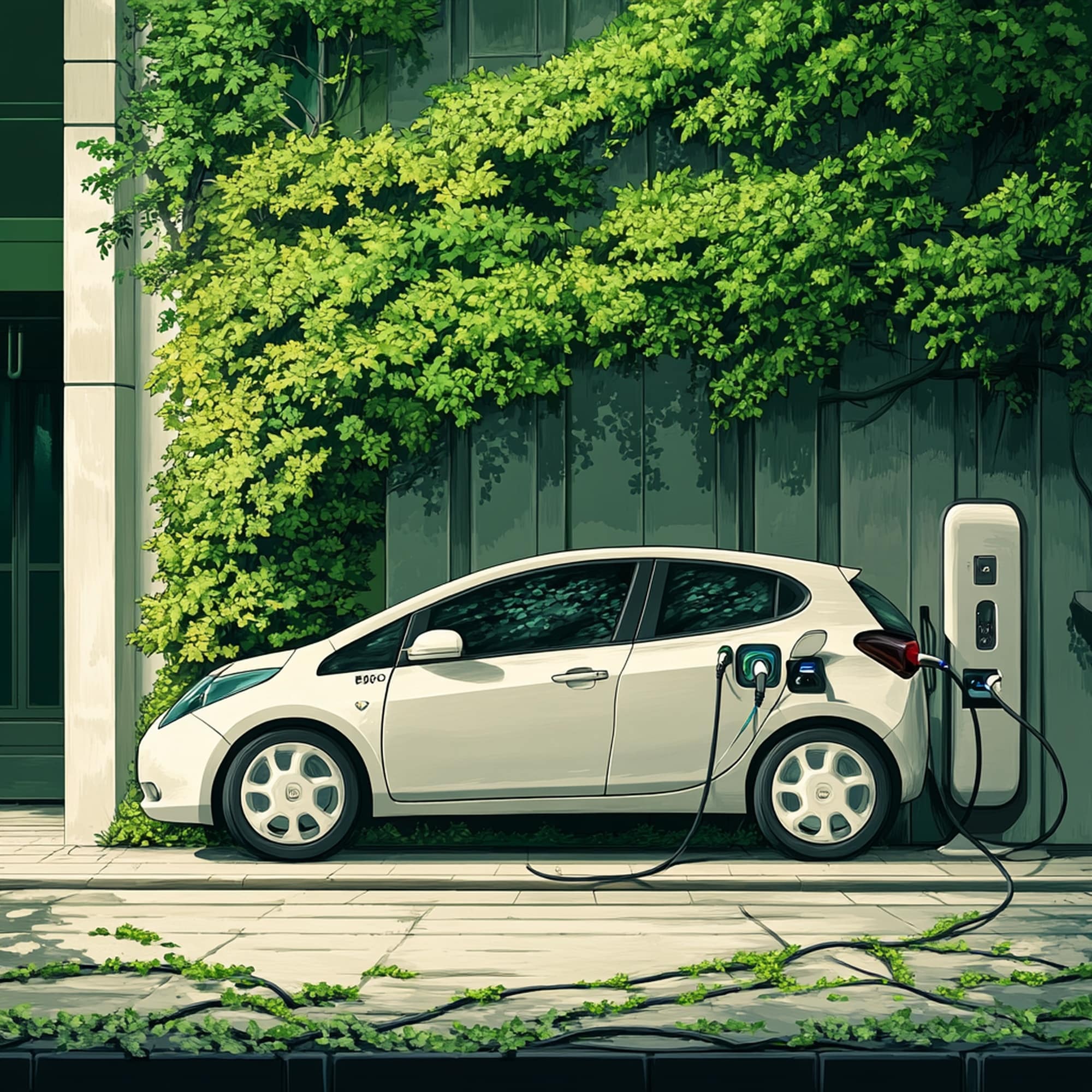
Electric vehicle (EV) adoption in India is no longer limited to big metropolitan centers. Tier-2 and Tier-3 cities are now emerging as powerful drivers of the country’s green mobility revolution. With growing infrastructure, supportive state policies, and rising consumer awareness, these smaller urban centers are experiencing a significant shift toward electric two-wheelers, three-wheelers, and even public transport fleets.
Growing Demand for Affordable Electric Mobility
Unlike metros where private car ownership dominates, Tier-2 and Tier-3 cities rely heavily on two-wheelers, three-wheelers, and shared mobility. Affordable electric scooters, e-rickshaws, and mini electric vans are gaining popularity as cost-effective alternatives to petrol or diesel vehicles. Lower running costs and government subsidies make EVs particularly attractive for small business owners, delivery operators, and daily commuters in these regions.
Expansion of Charging Infrastructure and Battery Swapping
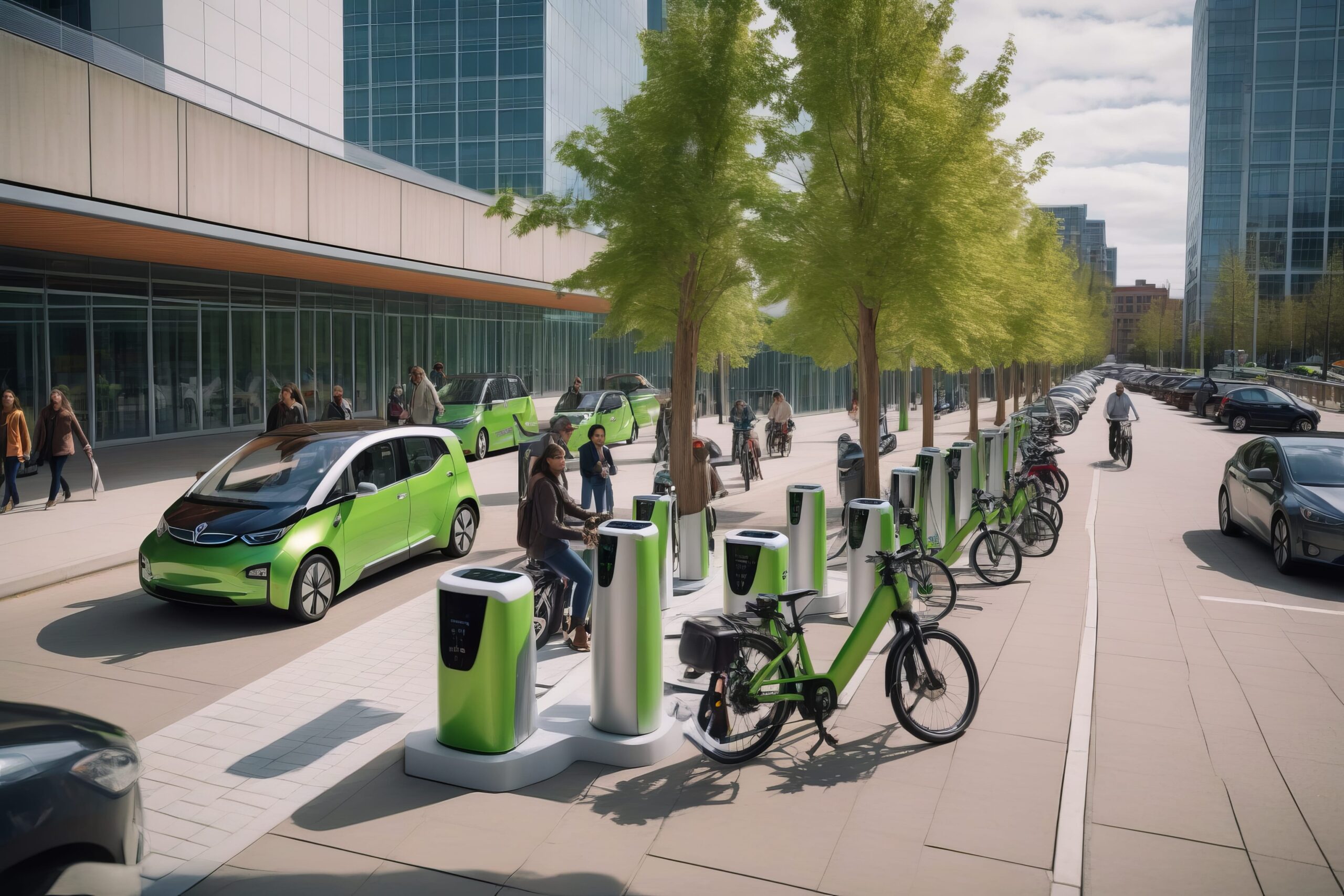
Infrastructure, once a major barrier, is steadily improving in smaller cities. State governments and private players are setting up public charging points, solar-powered stations, and battery-swapping facilities to meet local needs. This development reduces range anxiety and allows commercial fleet operators to switch to electric with minimal disruption. Tier-2 and Tier-3 cities are also seeing innovative micro-charging hubs in marketplaces and transport stands, boosting convenience.
Policy Support and Local Business Opportunities
Many state EV policies focus specifically on encouraging adoption beyond metros by offering higher subsidies and tax benefits in smaller towns. This has led to the rise of local dealerships, maintenance centers, and battery recycling businesses, creating employment and strengthening regional economies. The growth of EV adoption in these areas also complements government initiatives like Smart Cities and clean air programs.
Conclusion
The green shift in Tier-2 and Tier-3 cities highlights how EV adoption is expanding beyond India’s major metros. Affordable models, improving infrastructure, and supportive policies are making electric mobility accessible to a much broader population. As these cities embrace EVs, they are not only reducing local pollution but also helping India meet its national clean energy and sustainability goals.
Share this content:
Post Comment