Vehicle-to-Grid (V2G) Technology for Sustainable Energy

As the world shifts toward renewable energy and electrified transportation, Vehicle-to-Grid (V2G) technology is emerging as a transformative solution that links electric vehicles (EVs) to the power grid. V2G enables EVs not just to consume electricity but also to store and supply energy back to the grid, helping stabilize energy supply, support renewable integration, and promote sustainable energy use.
How V2G Technology Works
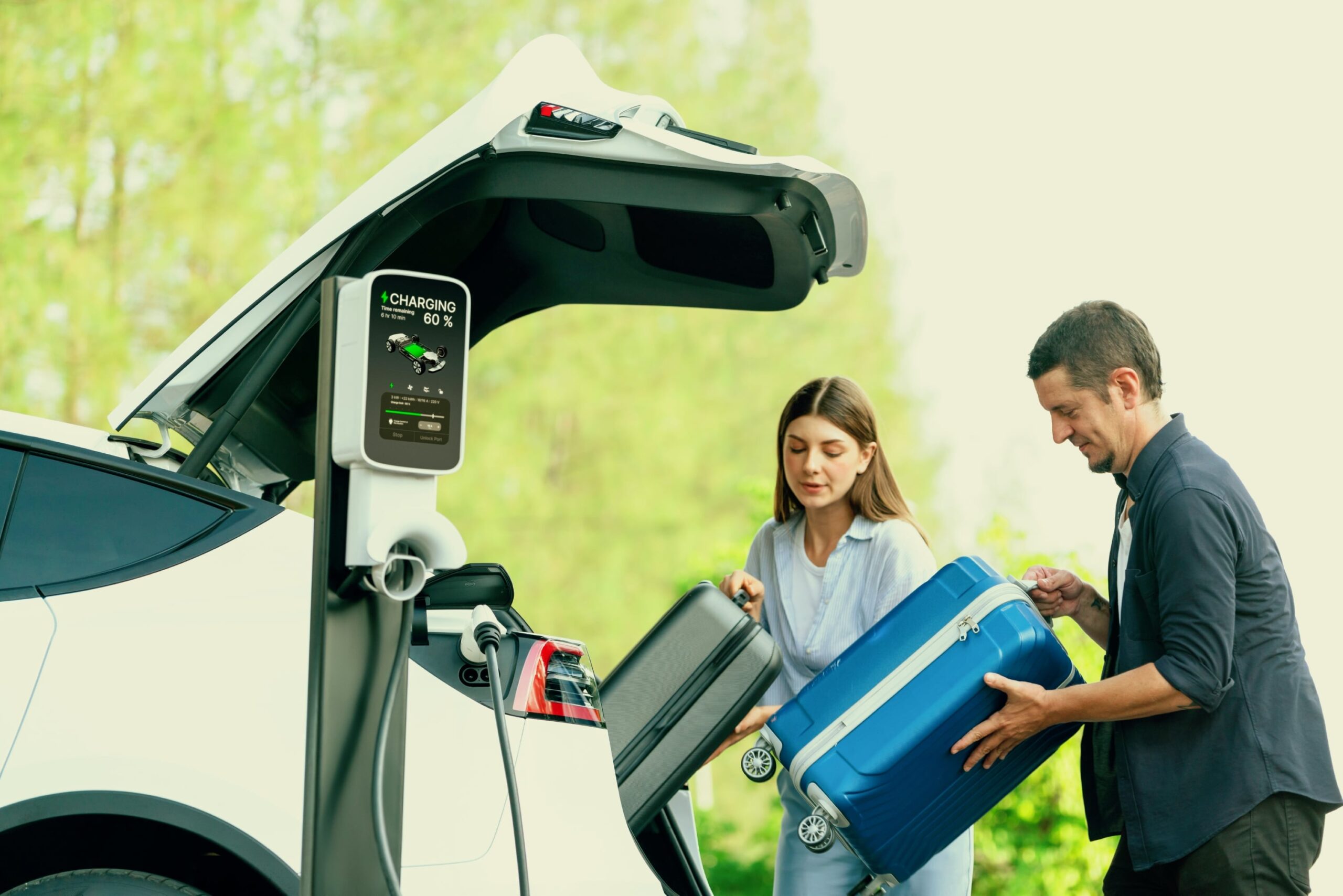
V2G technology allows bi-directional energy flow between EVs and the electricity grid. When plugged in, EVs can charge during off-peak hours and discharge energy back to the grid during peak demand. This creates a dynamic energy ecosystem where vehicles act as mobile energy storage units. Advanced smart charging systems and grid communication protocols ensure that battery life is preserved while maximizing energy availability for the grid, balancing supply and demand efficiently.
Benefits for Renewable Energy Integration
One of the most significant advantages of V2G is its support for renewable energy. Solar and wind power are intermittent by nature, but V2G allows excess renewable energy generated during the day to be stored in EV batteries. During periods of low production or high demand, this stored energy can be fed back into the grid, reducing reliance on fossil-fuel power plants and minimizing carbon emissions. Countries like Denmark, the Netherlands, and Japan are already exploring V2G pilot programs to enhance grid flexibility and sustainability.
Economic and Environmental Advantages
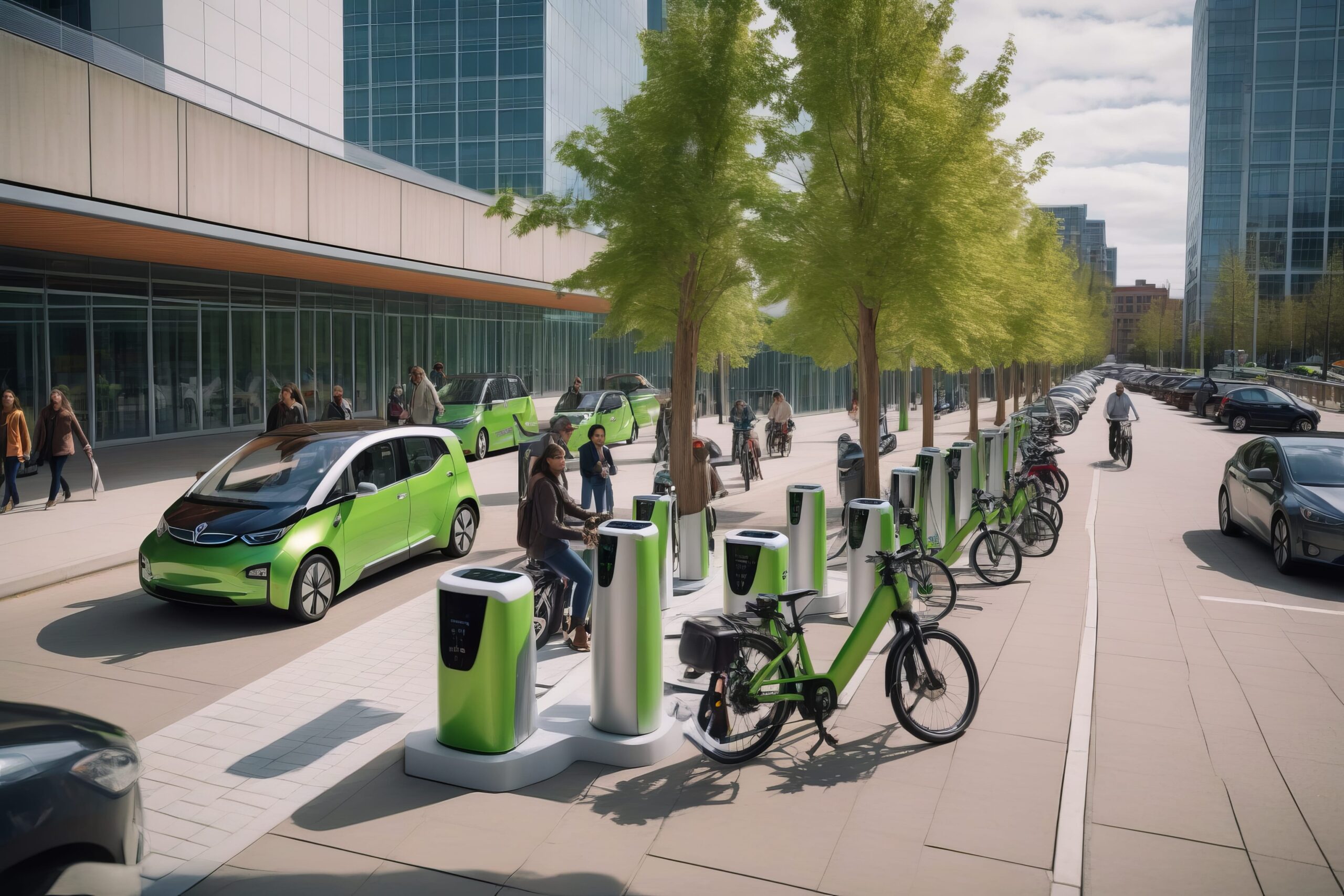
V2G provides not only environmental but also economic benefits. EV owners can earn incentives by selling stored electricity back to the grid, while utilities benefit from reduced infrastructure stress and improved grid efficiency. Environmentally, V2G reduces the need for additional power plants and mitigates energy waste, contributing to a lower carbon footprint for the energy and transportation sectors. Widespread adoption of V2G can accelerate the transition to a cleaner, smarter, and more resilient energy system.
Conclusion
Vehicle-to-Grid technology is reshaping the role of electric vehicles from passive energy consumers to active participants in sustainable energy management. By enabling energy storage, supporting renewable integration, and offering economic incentives, V2G bridges the gap between clean transportation and smart energy systems. As the technology matures, it promises a future where EVs are not just vehicles but integral components of a sustainable, low-carbon energy ecosystem.
Share this content:
Post Comment