Urban Transport Reforms: Electric Buses & Public EV Adoption Policies
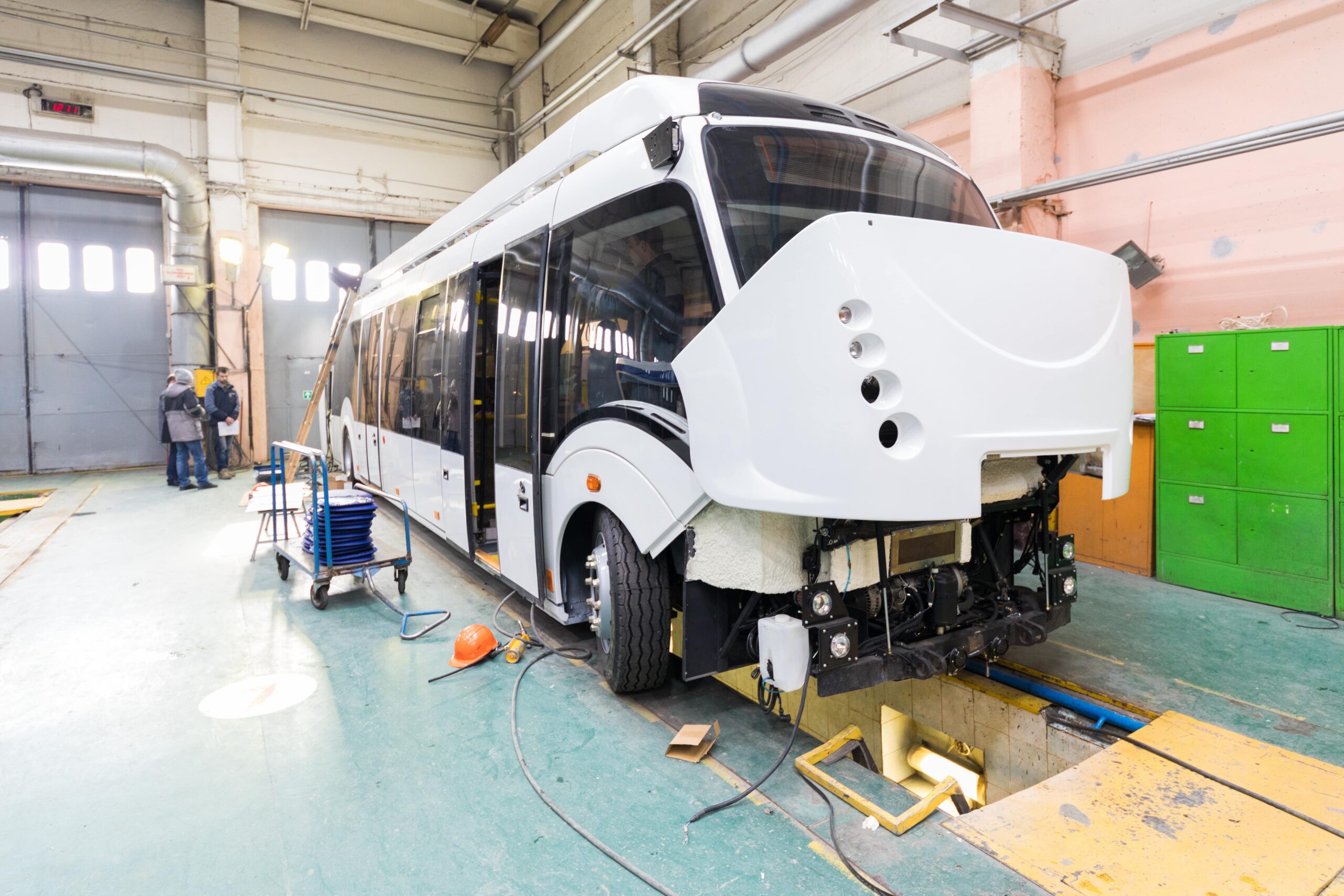
The Shift Towards Electric Buses in Urban Mobility
As cities grow and pollution levels rise, electric buses have emerged as a sustainable solution for public transportation. Governments across India are investing in e-bus fleets to reduce carbon emissions and improve air quality. Initiatives like the FAME II scheme (Faster Adoption and Manufacturing of Hybrid and Electric Vehicles) are accelerating the deployment of electric buses in metropolitan and Tier-II cities. These buses offer quieter operation, lower fuel costs, and reduced maintenance compared to traditional diesel buses.
Government Policies Promoting Public EV Adoption
The adoption of EVs in the public transport sector is being driven by a series of targeted policies. State and central governments are offering financial incentives, subsidies on vehicle costs, reduced registration fees, and tax exemptions. Infrastructure development like EV charging stations and battery-swapping points are also gaining momentum. Policies such as Delhi’s EV policy and Maharashtra’s Electric Vehicle Policy are paving the way for a greener future by setting clear targets and timelines for EV adoption.
Benefits & Challenges of Electric Public Transport
Electric buses offer a range of benefits, including reduced greenhouse gas emissions, lower noise pollution, and operational cost savings. However, challenges like high upfront costs, limited charging infrastructure, and technological barriers still exist. Overcoming these requires robust investment in EV ecosystems, training programs for operators, and public awareness campaigns to ensure smoother integration into the transport network.
Conclusion
Urban transport reforms through electric buses and strong EV adoption policies are reshaping the future of mobility in India. While there are hurdles to cross, the ongoing push by governments, industry players, and local authorities is creating a cleaner, more sustainable public transport system. Continued support, innovation, and infrastructure development will be key to unlocking the full potential of electric urban mobility.
Share this content:

Post Comment