How Green Mobility Supports India’s Net Zero Targets

India has made a bold commitment to become net zero by 2070, signaling a major shift in how the country plans to balance development with environmental responsibility. A critical piece of this puzzle is green mobility—a shift toward cleaner, more sustainable modes of transportation. From electric vehicles (EVs) and alternative fuels to improved public transport and shared mobility, green mobility is at the heart of India’s roadmap to a carbon-neutral future.
Reducing Transport Sector Emissions
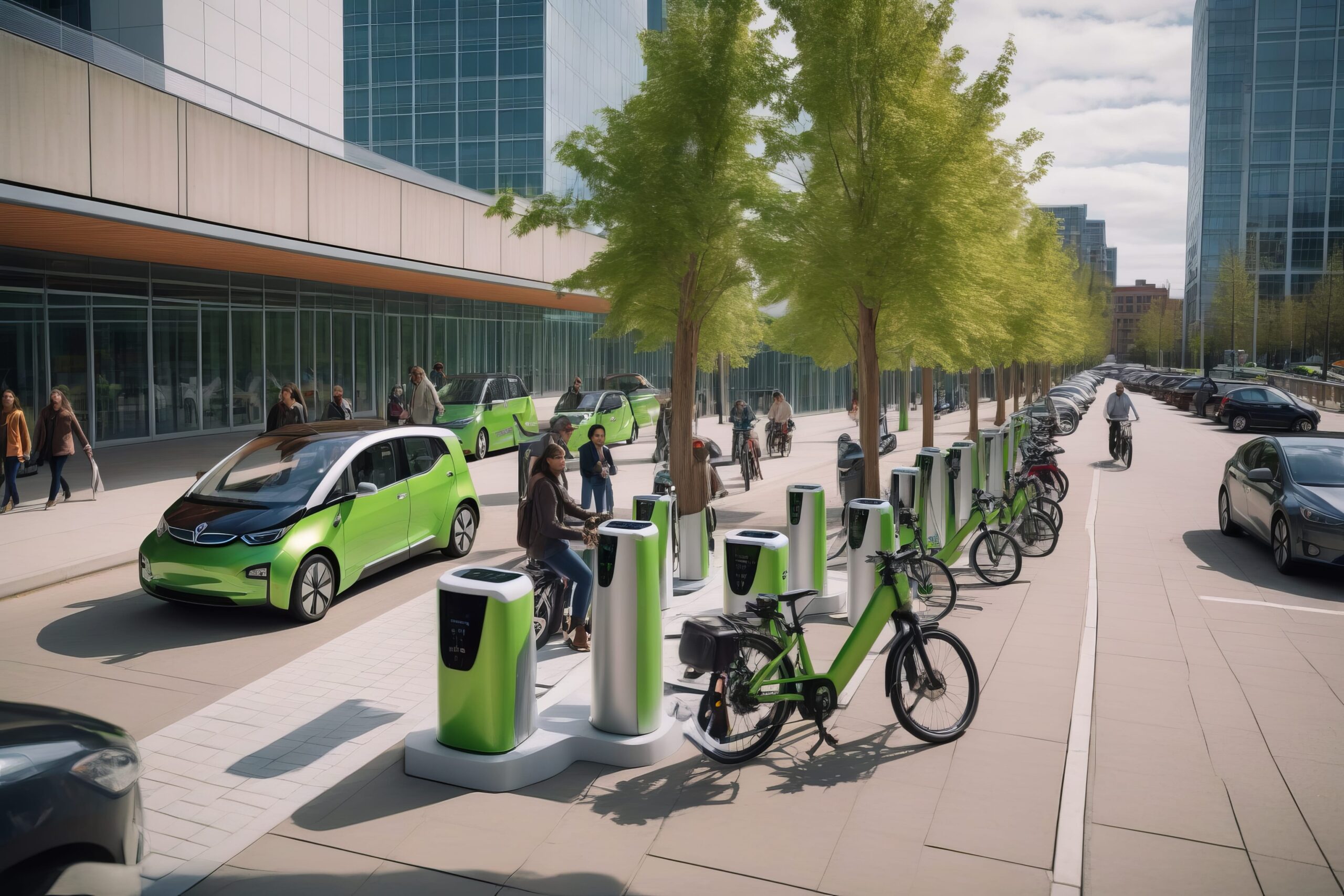
The transportation sector is one of the fastest-growing contributors to greenhouse gas (GHG) emissions in India, accounting for nearly 10% of the country’s total emissions. A majority of this comes from road transport, powered largely by petrol and diesel. Transitioning to electric and hybrid vehicles significantly lowers tailpipe emissions. In addition, promoting public transport, cycling, and walking reduces the number of private vehicles on roads—bringing down fuel demand and air pollution levels in cities.
Boosting Renewable Energy Integration with EVs
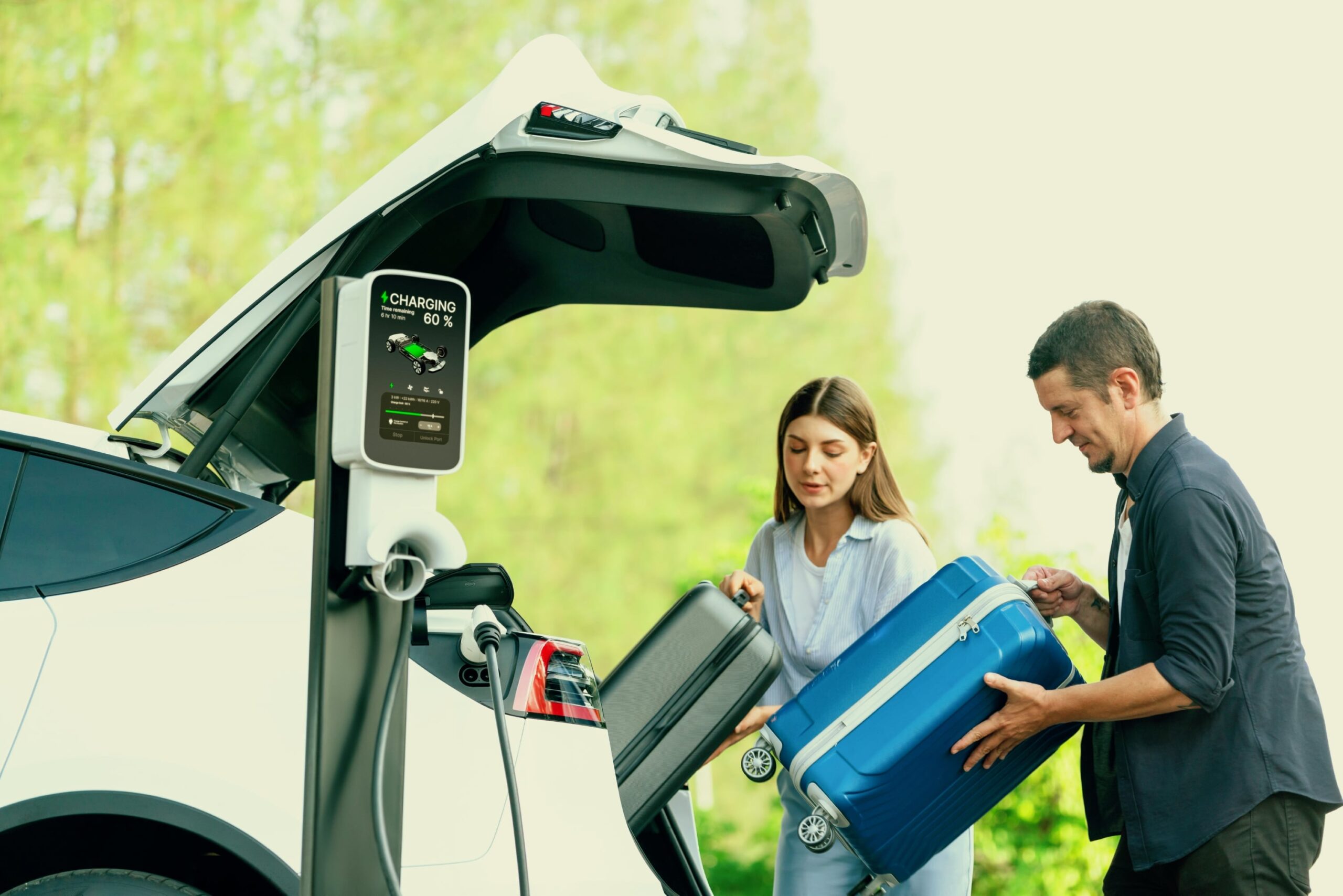
Green mobility doesn’t end with replacing internal combustion engines. For EVs to truly be green, they must be powered by clean energy. India is rapidly expanding its renewable energy capacity through solar, wind, and hydro projects. By integrating EV charging infrastructure with renewable energy sources and smart grids, India can reduce its reliance on coal-based power. Vehicle-to-grid (V2G) technologies also allow EVs to act as energy storage systems, contributing to grid stability and efficiency.
Strengthening Domestic Manufacturing and Innovation
India’s push for green mobility is also closely tied to its Make in India initiative. Manufacturing electric vehicles, batteries, and key components domestically not only creates jobs but also reduces dependency on fossil fuel imports. With supportive government schemes like FAME II, PLI (Production-Linked Incentive) for battery storage, and tax benefits for EV buyers, the country is laying the foundation for a strong green mobility ecosystem. This enhances India’s capacity to meet sustainability targets while driving economic growth.
Conclusion: A Greener Road to Net Zero
Green mobility is not just a technological upgrade—it’s a climate solution. It supports India’s net zero vision by lowering emissions, promoting clean energy use, and fostering self-reliance in energy and manufacturing. To reach its 2070 goal, India must continue to invest in eco-friendly infrastructure, incentivize clean transport, and educate the public about sustainable mobility. With bold policy, innovation, and collaboration, green mobility can be the engine that drives India toward a cleaner, healthier, and net-zero future.
Share this content:
Post Comment