Urban Planning for a Sustainable Transport Future
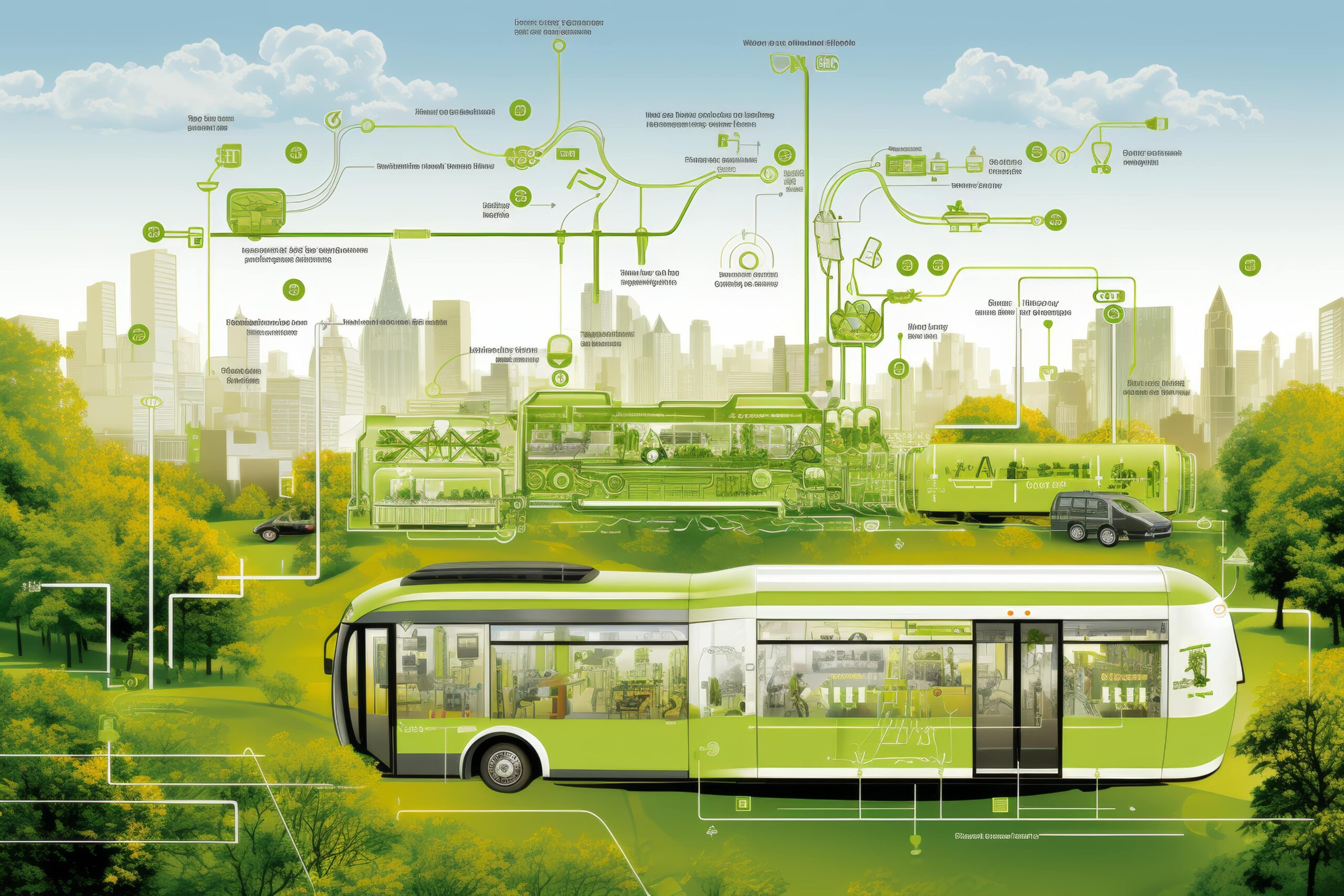
As cities grow and urban populations expand, the demand for efficient, accessible, and environmentally responsible transport systems is at an all-time high. Urban planning plays a critical role in shaping how people move through cities—impacting everything from daily commute patterns to air quality and carbon emissions. To build a sustainable transport future, urban planners must rethink how infrastructure, public policy, and mobility technologies come together to create smarter and greener cities.
Designing Walkable, Transit-Oriented Cities
One of the most effective ways to promote sustainable transport is by designing cities where walking, cycling, and public transport are more convenient than using private vehicles. Transit-oriented development (TOD) focuses on building high-density, mixed-use neighborhoods around public transit hubs. This reduces the need for long car commutes, lowers emissions, and enhances the quality of urban life. Well-designed footpaths, bicycle lanes, and integrated transport systems can shift urban mobility habits toward more sustainable modes.
Integrating Electric and Shared Mobility Solutions
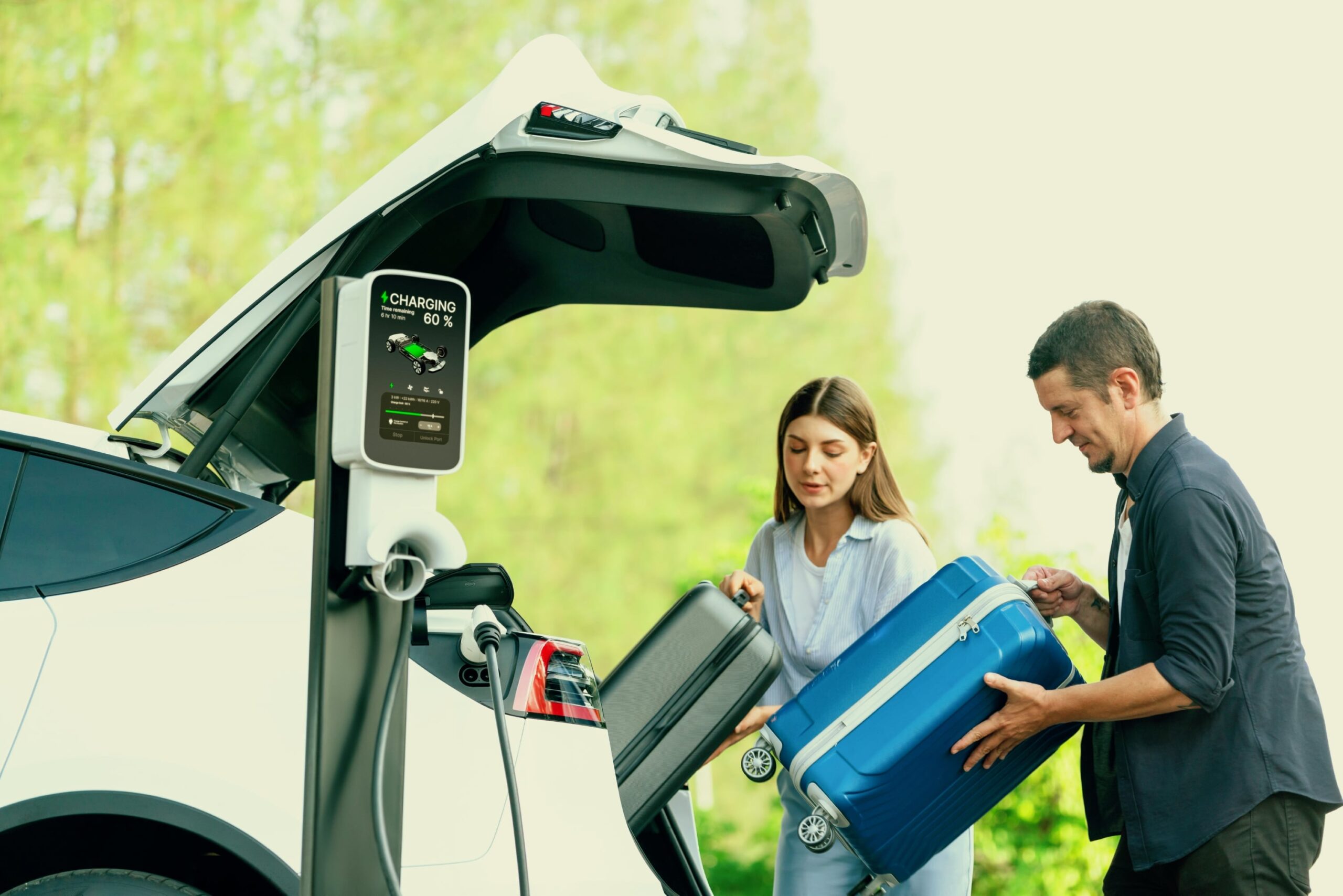
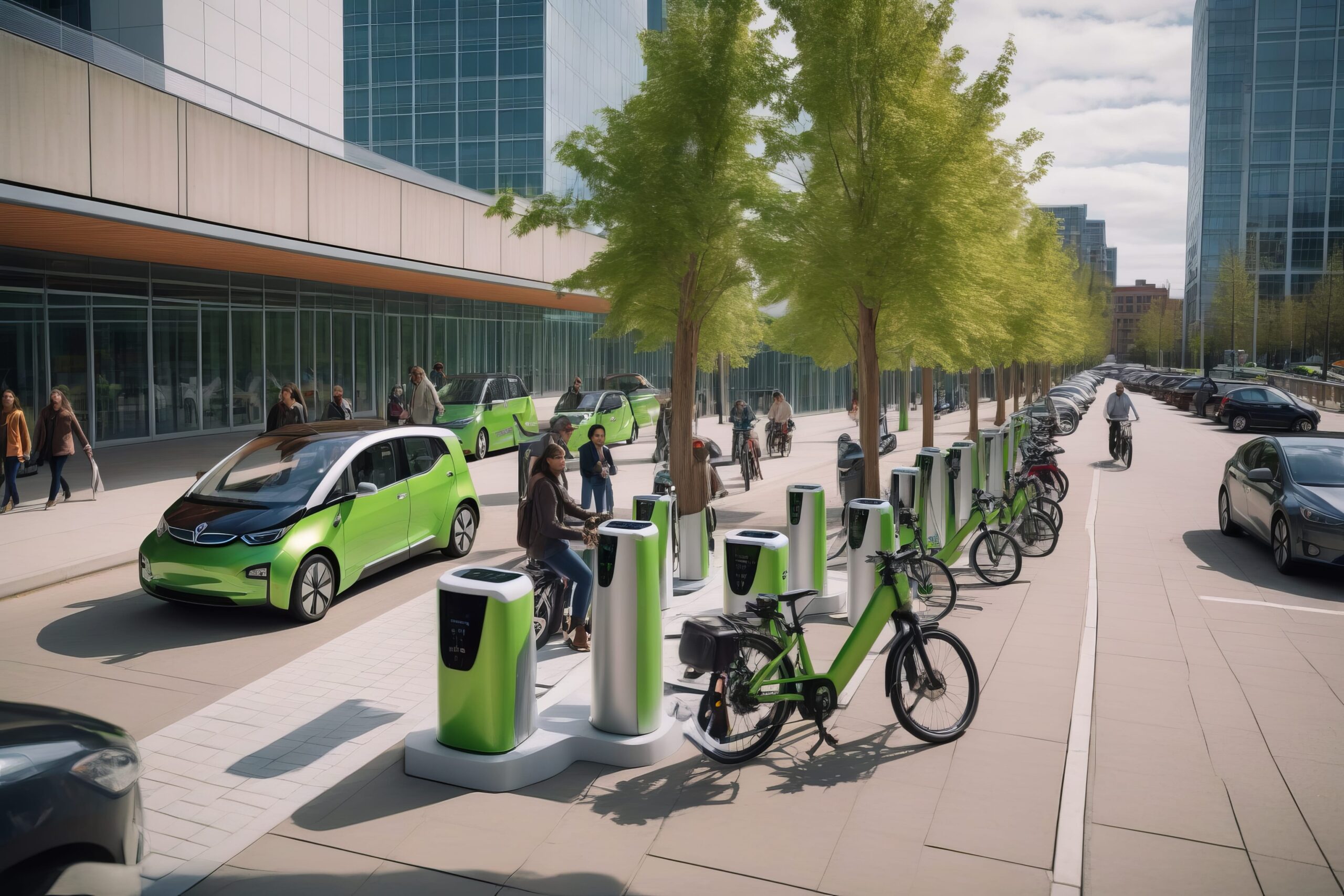
Modern urban planning must integrate electric vehicles (EVs) and shared mobility services like e-rickshaws, electric buses, ride-sharing, and micro-mobility options (such as e-bikes and scooters). Installing EV charging stations across strategic locations and creating dedicated lanes for electric public transport enhances efficiency and encourages adoption. Planners are increasingly working with private mobility providers to create a multimodal transport ecosystem that minimizes congestion and supports low-emission travel options.
Data-Driven Infrastructure and Smart Traffic Management
Technology is revolutionizing how cities manage transport. Through the use of smart traffic signals, sensors, and mobility data analytics, urban planners can now understand and address traffic patterns in real-time. AI-enabled traffic management systems help reduce idle time at signals, lower fuel consumption, and improve road safety. Additionally, smart city frameworks enable real-time information sharing on public transport schedules, parking availability, and EV charging station status—making sustainable transport more accessible and user-friendly.
Conclusion: Planning Cities for People, Not Just Cars
Sustainable urban mobility is no longer a luxury—it’s a necessity for the future of thriving cities. By prioritizing eco-friendly design, clean mobility technologies, and intelligent infrastructure, urban planning can significantly reduce emissions, improve air quality, and enhance livability. The journey toward sustainable transport starts with smart city design, strong policies, and collaboration across sectors. Ultimately, cities that plan for people—not just vehicles—will lead the way in building a greener, healthier future.
Share this content:
Post Comment