Urban Air Mobility: Electric Drones and Flying Taxis
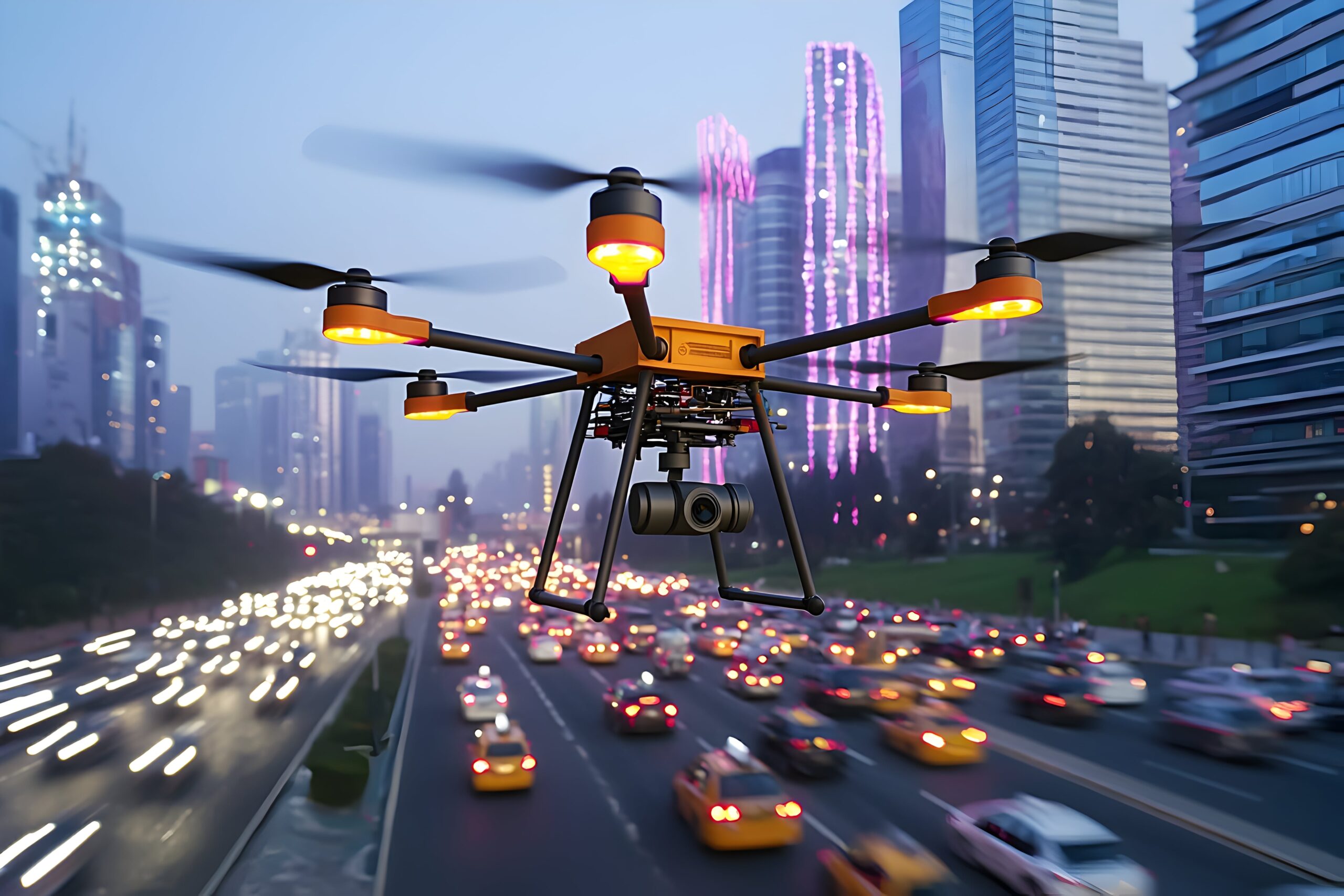
Urban Air Mobility (UAM) represents the next frontier in smart transportation, redefining how people and goods move within cities. With the rise of electric drones and flying taxis, the dream of quiet, efficient, and eco-friendly aerial commuting is becoming a reality. As cities face increasing congestion and pollution, UAM offers a transformative solution to ease ground traffic and promote sustainable mobility.
Revolutionizing City Transportation
Electric drones and flying taxis are set to revolutionize urban transit by providing faster, cleaner, and more direct travel routes. These electric vertical take-off and landing (eVTOL) vehicles can bypass road congestion, connecting city centers, airports, and suburbs in minutes. Unlike traditional aircraft, they rely on electric propulsion systems, making them quieter and emission-free. Global companies and startups are already testing pilot projects, envisioning a future where aerial ridesharing becomes as common as booking a cab.
Sustainability and Technological Advancements
Urban Air Mobility is driven by advancements in battery energy density, lightweight materials, and autonomous navigation technologies. These innovations allow longer flight times, safer operations, and reduced energy consumption. By operating on renewable electricity, electric drones and air taxis significantly cut greenhouse gas emissions compared to conventional vehicles. Integration with smart city grids ensures optimized charging and flight scheduling, contributing to energy-efficient transportation ecosystems.
Regulatory and Infrastructure Development
The success of UAM depends on robust infrastructure and supportive regulations. Cities are exploring “vertiports”—dedicated hubs for takeoff, landing, and charging of eVTOLs. Governments and aviation authorities are working to establish air traffic management systems to ensure safe and coordinated flight paths. Public acceptance and affordability will also play key roles in the widespread adoption of aerial mobility in urban environments.
Conclusion
Urban Air Mobility, powered by electric drones and flying taxis, is poised to transform the future of urban transportation. Combining innovation, sustainability, and speed, UAM offers an exciting alternative to traditional travel modes. As technology, infrastructure, and policy align, cities will soon experience a new dimension of connectivity—ushering in an era where clean, efficient air travel becomes part of everyday urban life.
Share this content:

Post Comment