The Role of Renewable Energy in Powering Green Mobility
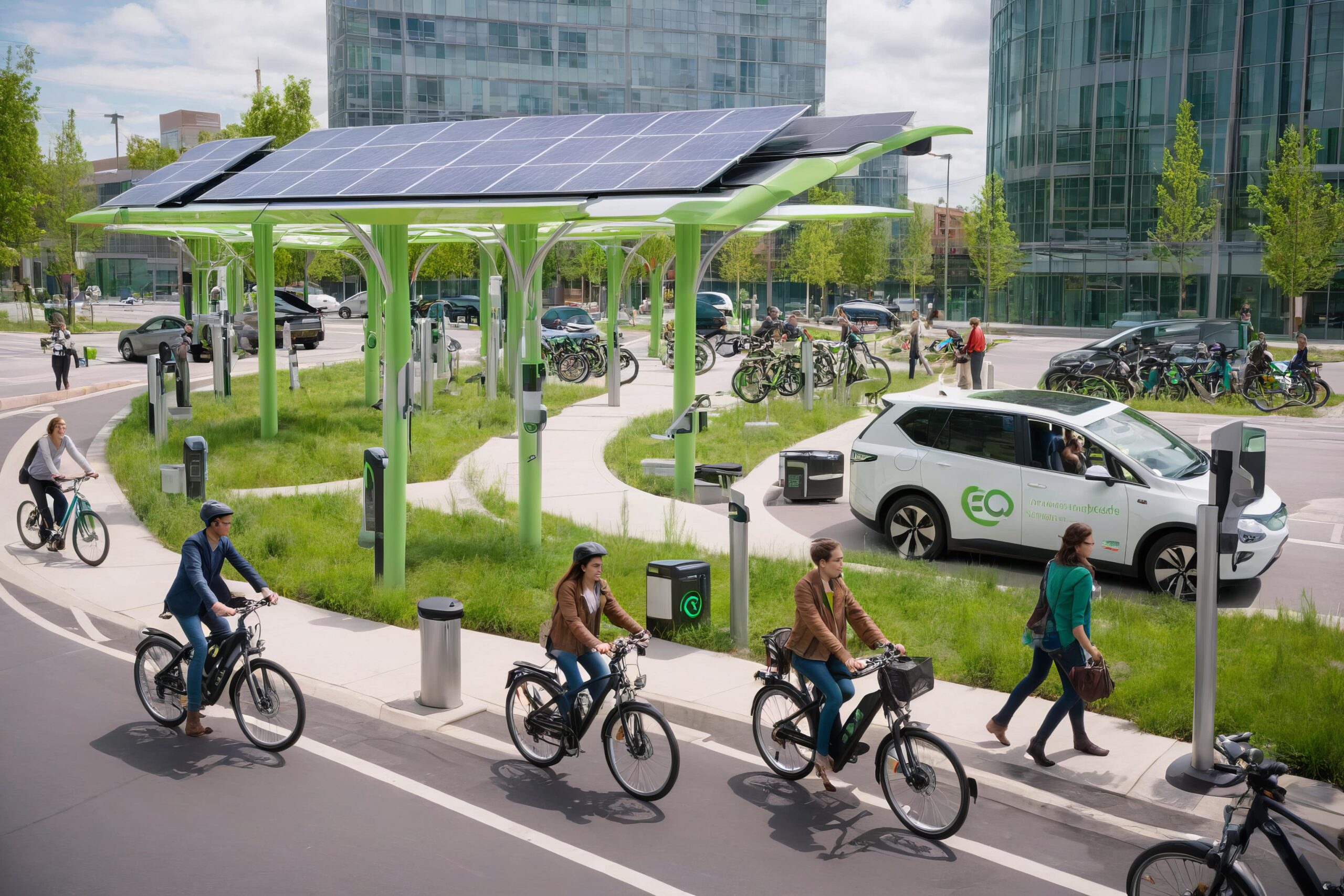
As the global transition to electric mobility gains pace, it’s becoming increasingly clear that simply replacing internal combustion engines with electric vehicles (EVs) isn’t enough. To truly achieve sustainable transportation, the electricity powering EVs must come from clean, renewable sources. Green mobility isn’t just about zero tailpipe emissions—it’s about building a zero-emissions ecosystem from power generation to wheels on the road. In this context, renewable energy plays a vital role in shaping the future of clean and responsible transportation.
Moving Beyond the Grid: Clean Energy for EV Charging
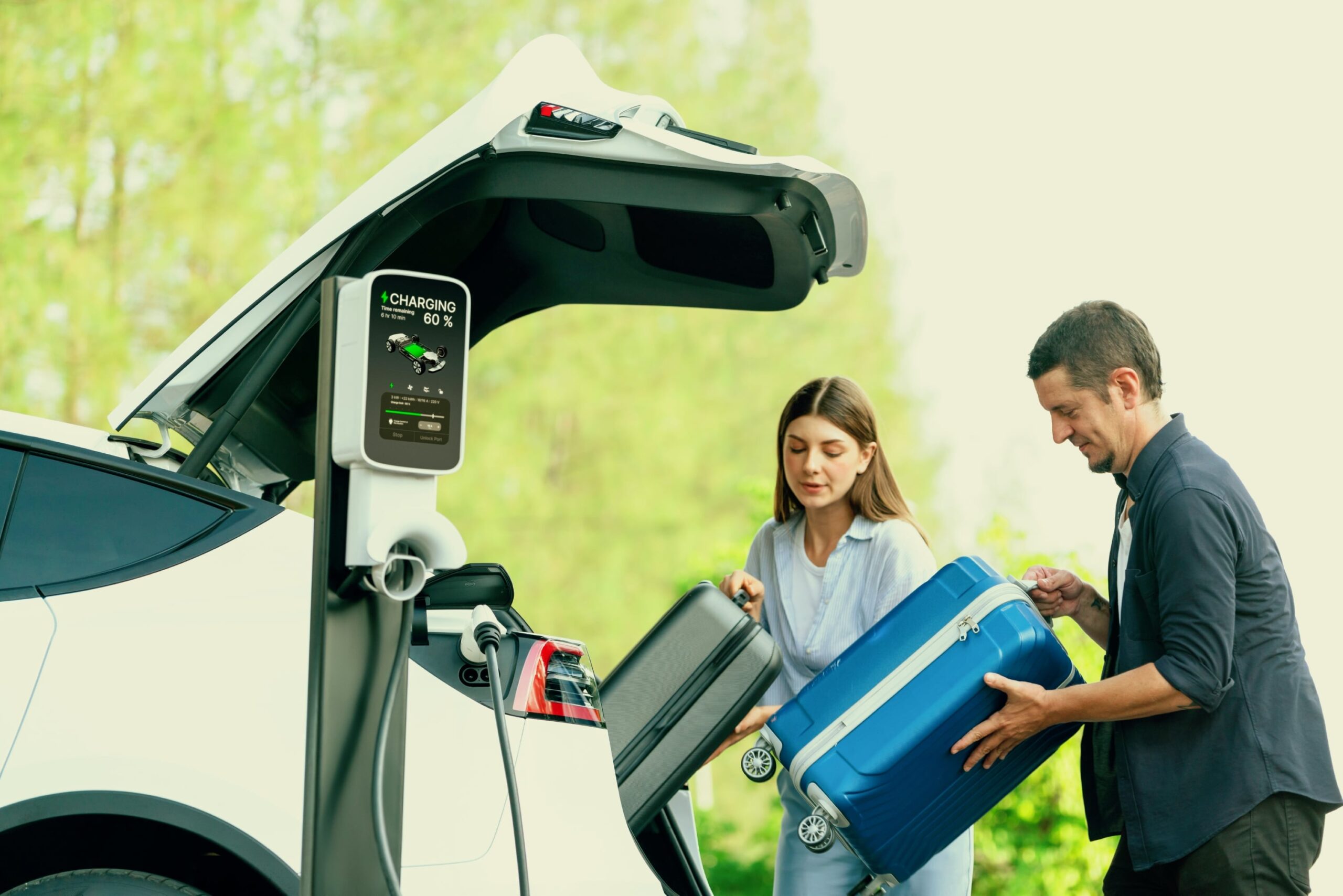
A major challenge for EV adoption is ensuring that the electricity used for charging doesn’t come from fossil fuels. In many regions, grid power still relies heavily on coal and natural gas. However, integrating solar, wind, and hydropower into EV charging infrastructure is a powerful step toward reducing the carbon footprint of electric transportation. Solar-powered charging stations, for example, are already operational in parts of India and globally. These setups can either feed directly into EV chargers or store energy in battery storage systems, enabling sustainable and cost-effective charging—even in remote areas.
Building Smart, Renewable-Powered Infrastructure
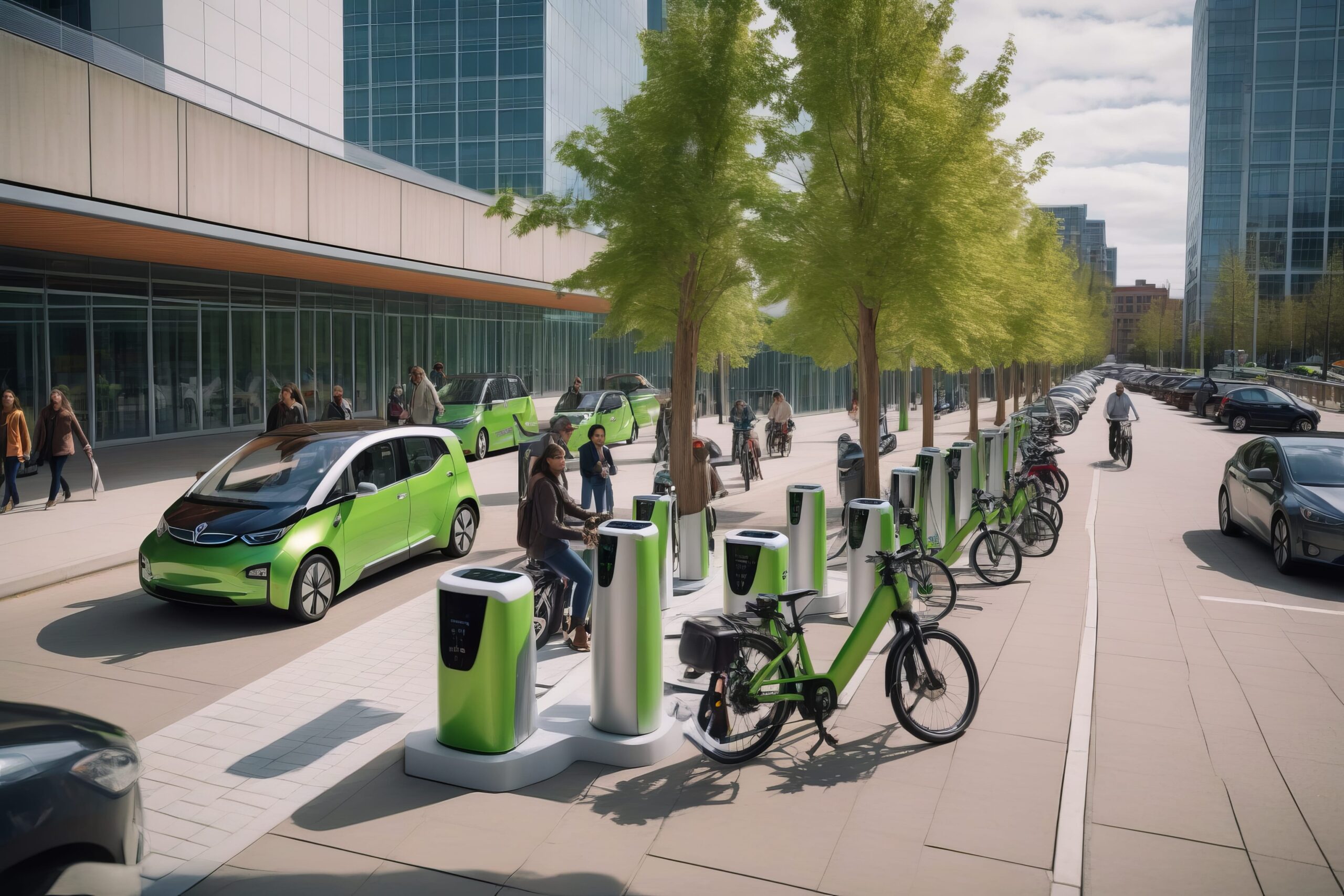
Smart grids and renewable microgrids are becoming key components of green mobility. A smart grid can balance energy demand, manage peak load periods, and prioritize the use of renewable energy when available. Additionally, Vehicle-to-Grid (V2G) technology enables EVs to act as mobile energy storage units, feeding electricity back into the grid when needed. This creates a circular energy model that not only powers mobility but also strengthens grid stability and encourages decentralization. These systems, when powered by renewables, drastically cut emissions and enhance the efficiency of urban infrastructure.
Policy Support and Industry Adoption
Governments and businesses are increasingly recognizing the need for renewable-powered EV solutions. In India, initiatives like the National Electric Mobility Mission Plan (NEMMP) and the FAME scheme encourage the use of clean energy in EV ecosystems. Likewise, private companies are investing in solar rooftops, wind farms, and green hydrogen to power their EV fleets. Some automakers have committed to running their factories on 100% renewable energy, further reinforcing the environmental benefits of green mobility across the supply chain. These shifts are not just environmentally responsible—they’re also economically strategic in the long run.
Conclusion: A Sustainable Future on Clean Energy
The transition to electric mobility must be powered by a simultaneous shift to renewable energy. Only then can we unlock the full environmental potential of EVs. By integrating clean power sources into every aspect of transportation—from production to daily charging—we move closer to a carbon-neutral future. As renewable energy and EV technologies evolve together, they hold the key to a truly sustainable, smart, and green mobility ecosystem.
Share this content:
Post Comment