The Rise of Micro-Mobility Solutions for Sustainable Urban Transport

As cities in India and across the world grapple with congestion, pollution, and limited public transport capacity, micro-mobility solutions are emerging as a game-changing alternative. From electric scooters and bicycles to shared e-rickshaws and kick scooters, these small, efficient vehicles are reshaping how people move through urban spaces. By filling the gaps left by traditional transport systems, micro-mobility offers a cleaner, faster, and more affordable option for short-distance travel.
What Are Micro-Mobility Solutions?
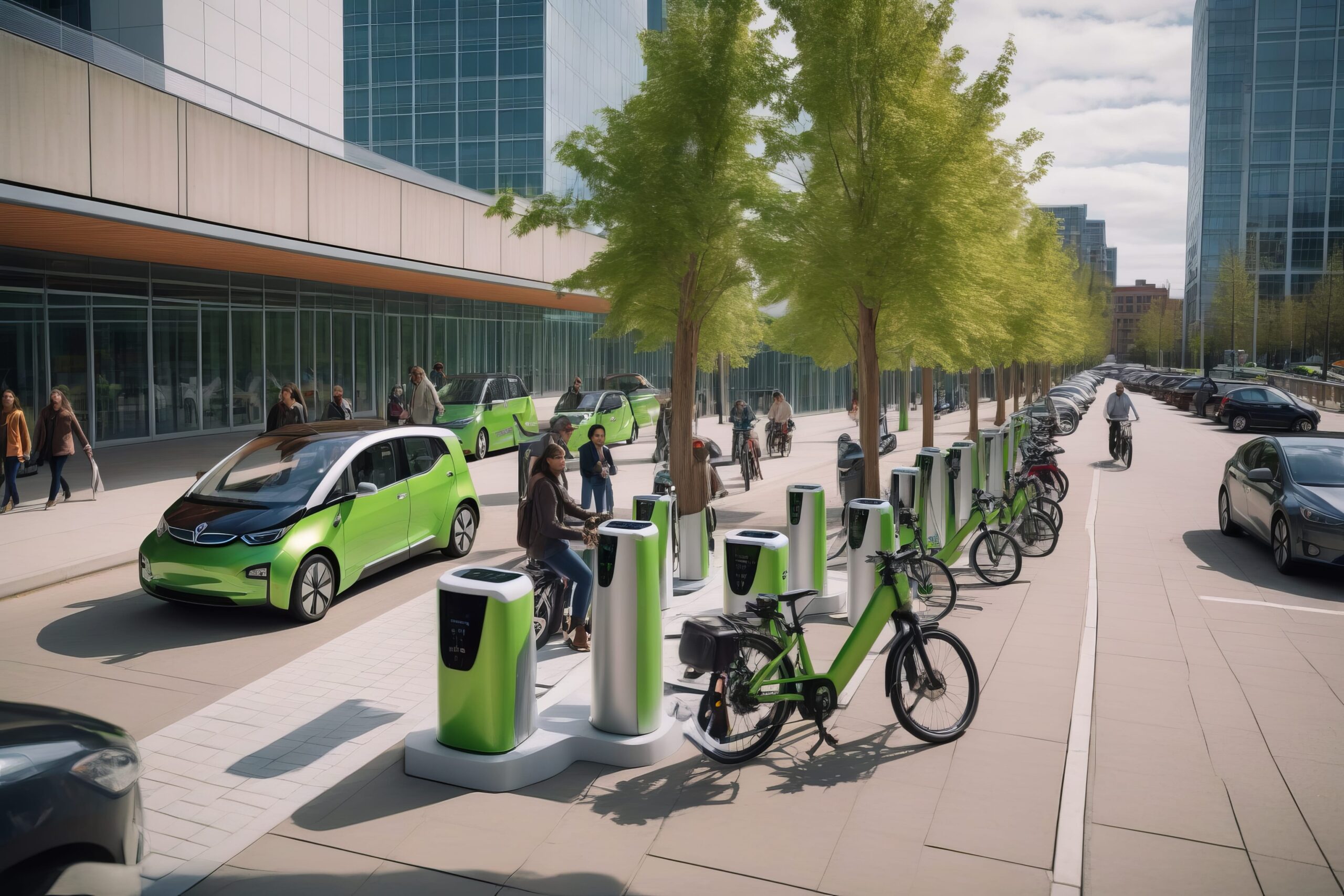
Micro-mobility refers to lightweight, low-speed vehicles designed for short trips—typically under 10 kilometers. Popular examples include e-bikes, e-scooters, pedal-assisted bicycles, and shared rickshaw services. These vehicles are often available on-demand through mobile apps, making them ideal for first- and last-mile connectivity. By reducing reliance on cars for short journeys, micro-mobility cuts traffic congestion and emissions while saving commuters time and money.
Environmental and Social Benefits of Micro-Mobility
Micro-mobility solutions significantly reduce greenhouse gas emissions and improve air quality by replacing fossil-fuel powered vehicles with electric or human-powered alternatives. They also help ease traffic congestion, freeing up road space and making urban areas more pedestrian-friendly. On the social side, micro-mobility expands access to affordable transport, especially in areas underserved by public transit, thereby promoting inclusivity and equitable mobility.
Integrating Micro-Mobility Into Urban Planning
To fully realize its potential, micro-mobility needs supportive infrastructure. Cities are starting to invest in dedicated bike lanes, charging stations for e-scooters, and parking zones for shared vehicles. Integrating micro-mobility with public transport—such as metro stations, bus stops, and ride-hailing services—creates a seamless travel experience and encourages more people to shift away from private vehicles. Policy support, safety regulations, and public awareness campaigns are also crucial for long-term adoption.
Conclusion
Micro-mobility is transforming the landscape of sustainable urban transport. By offering eco-friendly, affordable, and flexible options for short-distance travel, it complements public transit and reduces the strain on roads and the environment. With the right policies, infrastructure, and community engagement, micro-mobility can become a cornerstone of India’s green mobility future, making cities cleaner, healthier, and more connected.
Share this content:

Post Comment