The Rise of Green Mobility: Transforming Urban Transportation
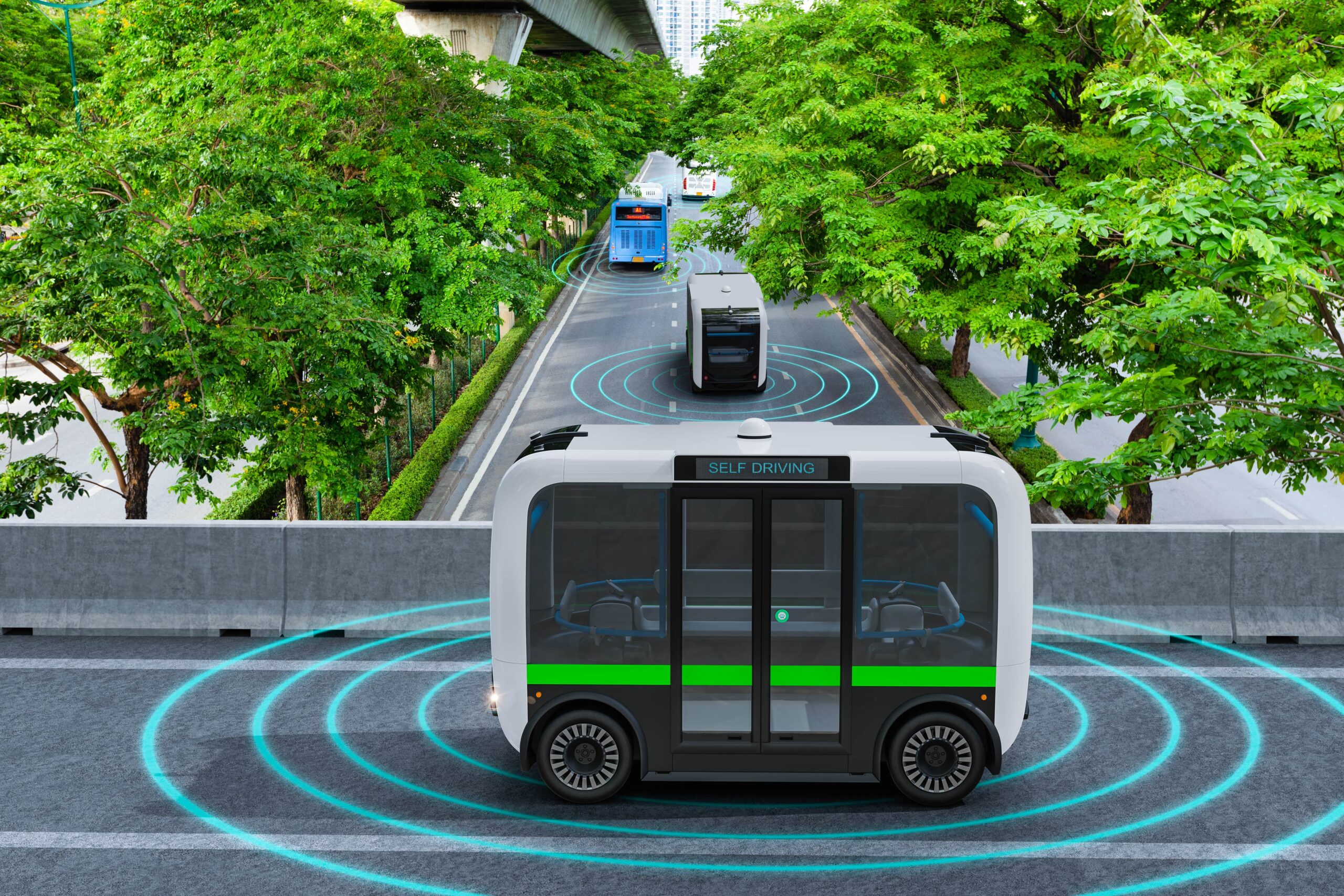
In an era marked by climate change, urban congestion, and rising fuel costs, green mobility is no longer just a buzzword — it’s a necessity. Cities across the world, including many in India, are embracing sustainable transportation systems that reduce environmental impact while improving public health and urban livability. The rise of green mobility is reshaping how we move in urban spaces, and the transformation is both timely and essential.
Electric Vehicles: The Core of Urban Green Mobility
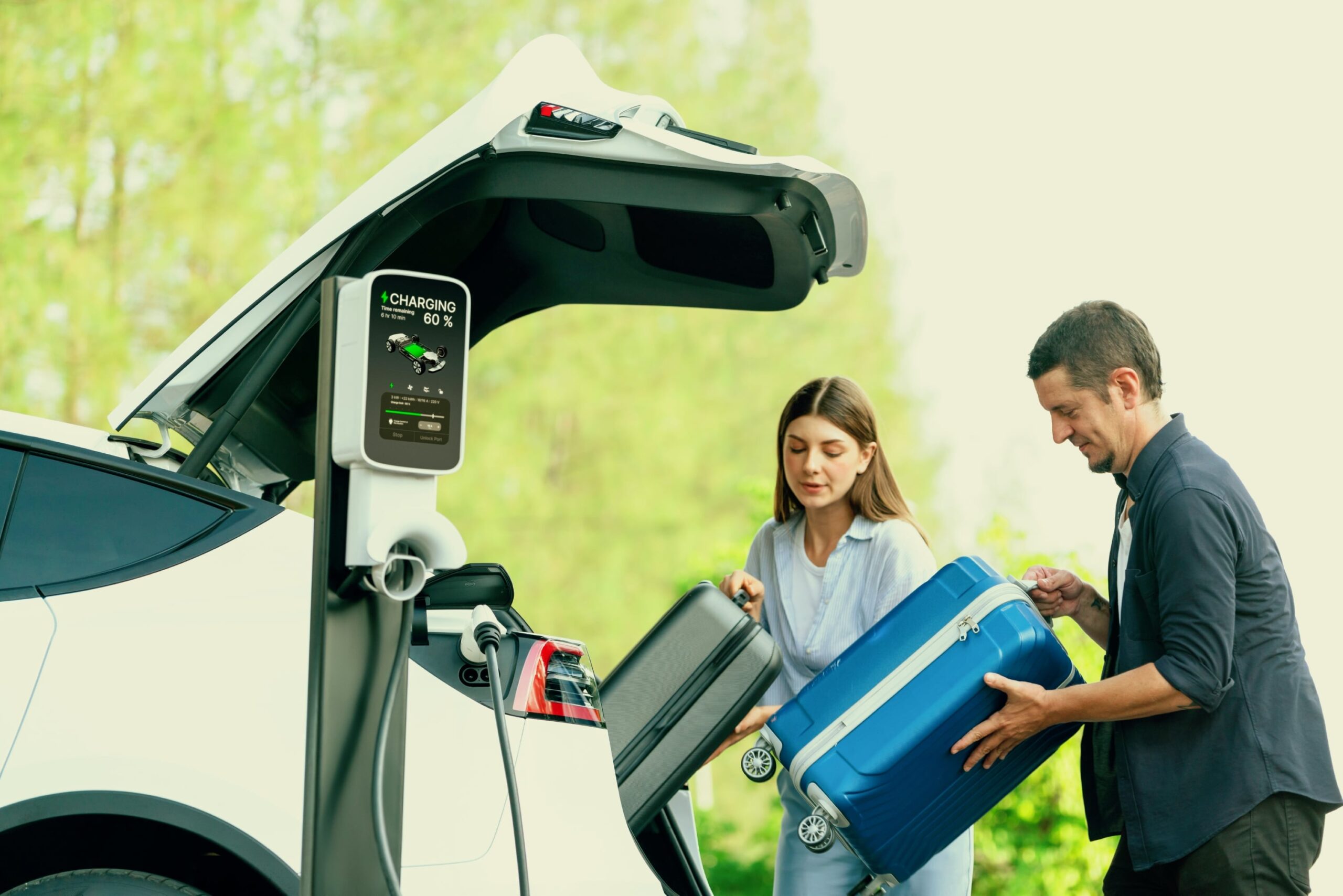
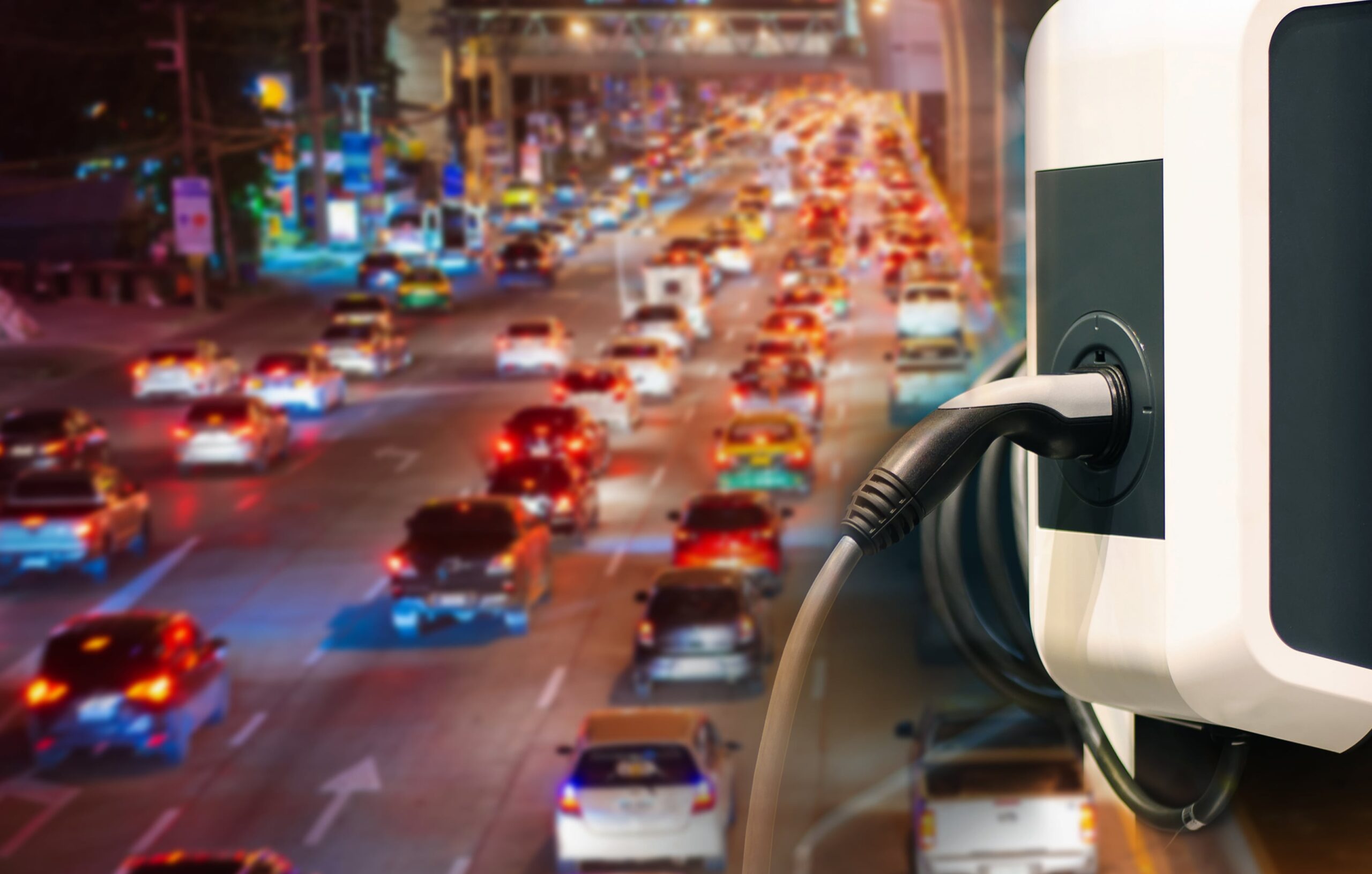
Electric vehicles (EVs) are at the forefront of the green mobility revolution. With zero tailpipe emissions and lower operating costs, EVs are becoming the preferred mode of transport in urban centers. Governments and private companies are investing heavily in EV infrastructure like public charging stations and battery swapping systems. From electric buses and rickshaws to scooters and cars, Indian cities are witnessing a rapid EV adoption curve that promises cleaner air and reduced carbon footprints.
Public Transport Upgrades and Shared Mobility
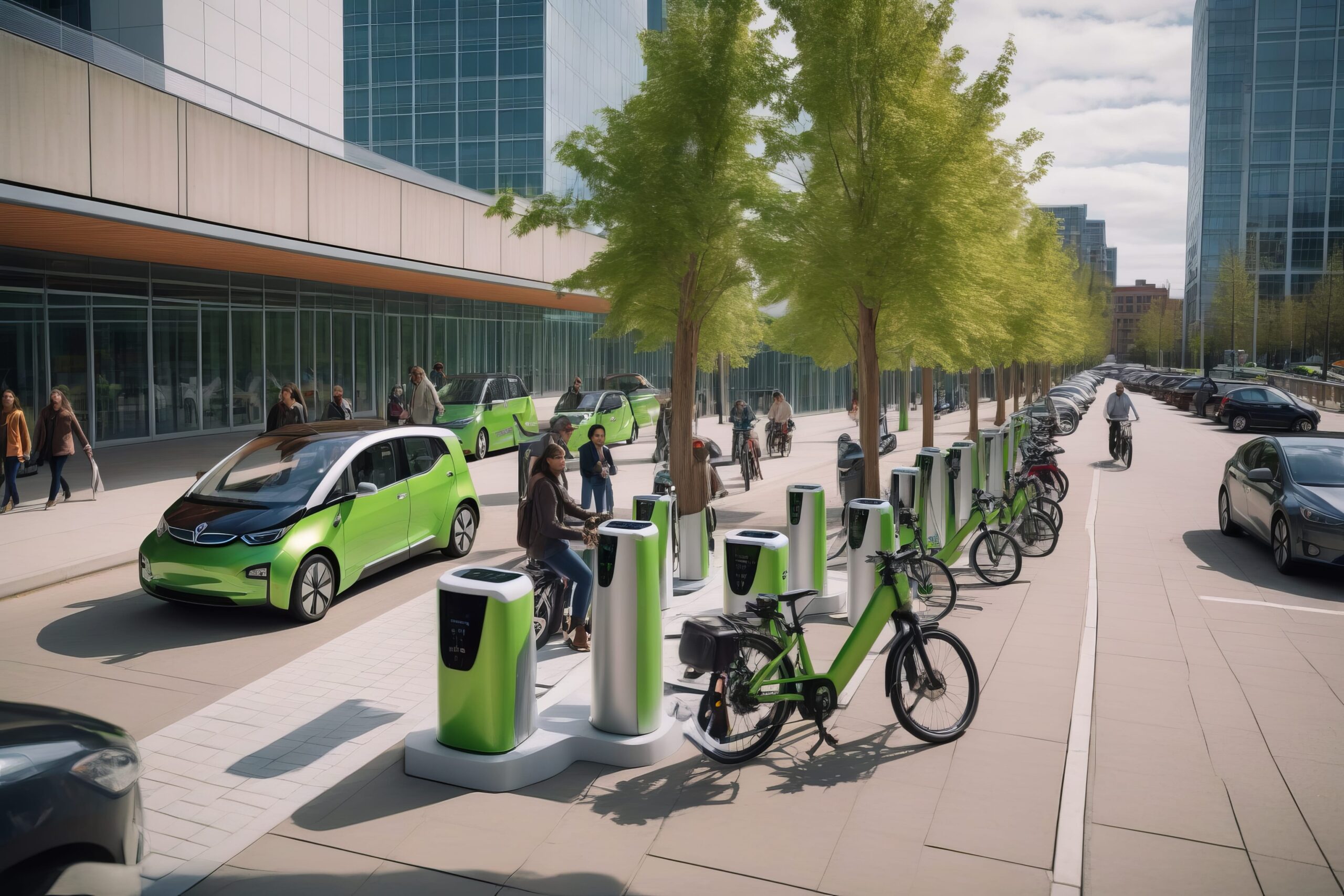
Green mobility isn’t just about private EVs. Public transport is undergoing a green transformation with electric buses, metro systems, and shared electric fleets becoming more prevalent. Cities like Delhi, Mumbai, and Bengaluru are replacing diesel-run buses with electric alternatives. Meanwhile, app-based shared mobility solutions such as electric bike rentals and EV cabs are reducing the number of private vehicles on roads — easing traffic and cutting emissions.
Infrastructure, Policy, and Citizen Engagement
Urban green mobility depends on more than just new vehicles — it requires supportive infrastructure and strong policy frameworks. This includes dedicated cycling lanes, pedestrian-friendly streets, integrated transit hubs, and seamless ticketing systems. Policies like FAME-II, state-level EV incentives, and congestion pricing are encouraging the shift toward sustainable transport. Additionally, awareness campaigns and citizen participation are key to making green mobility a lifestyle choice, not just a transport solution.
Conclusion: Green Mobility as the Future of Cities
The rise of green mobility marks a turning point in urban transportation. It represents a shift toward cleaner, smarter, and more efficient cities. As electric vehicles, public transport upgrades, and supportive infrastructure become more widespread, urban areas will become healthier and more livable. For India and the world, green mobility is not just a trend — it’s the roadmap to a sustainable future.
Share this content:
Post Comment