Sustainable Urban Transport Models for Indian Cities
As India’s cities expand and urban populations soar, the need for efficient, eco-friendly, and accessible transportation systems has never been greater. Sustainable urban transport models are now at the core of India’s mobility transformation—balancing growth, environmental responsibility, and commuter convenience. From electric mobility to multimodal transport integration, Indian cities are gradually shifting toward cleaner and smarter transport solutions.
Promoting Electric and Shared Mobility
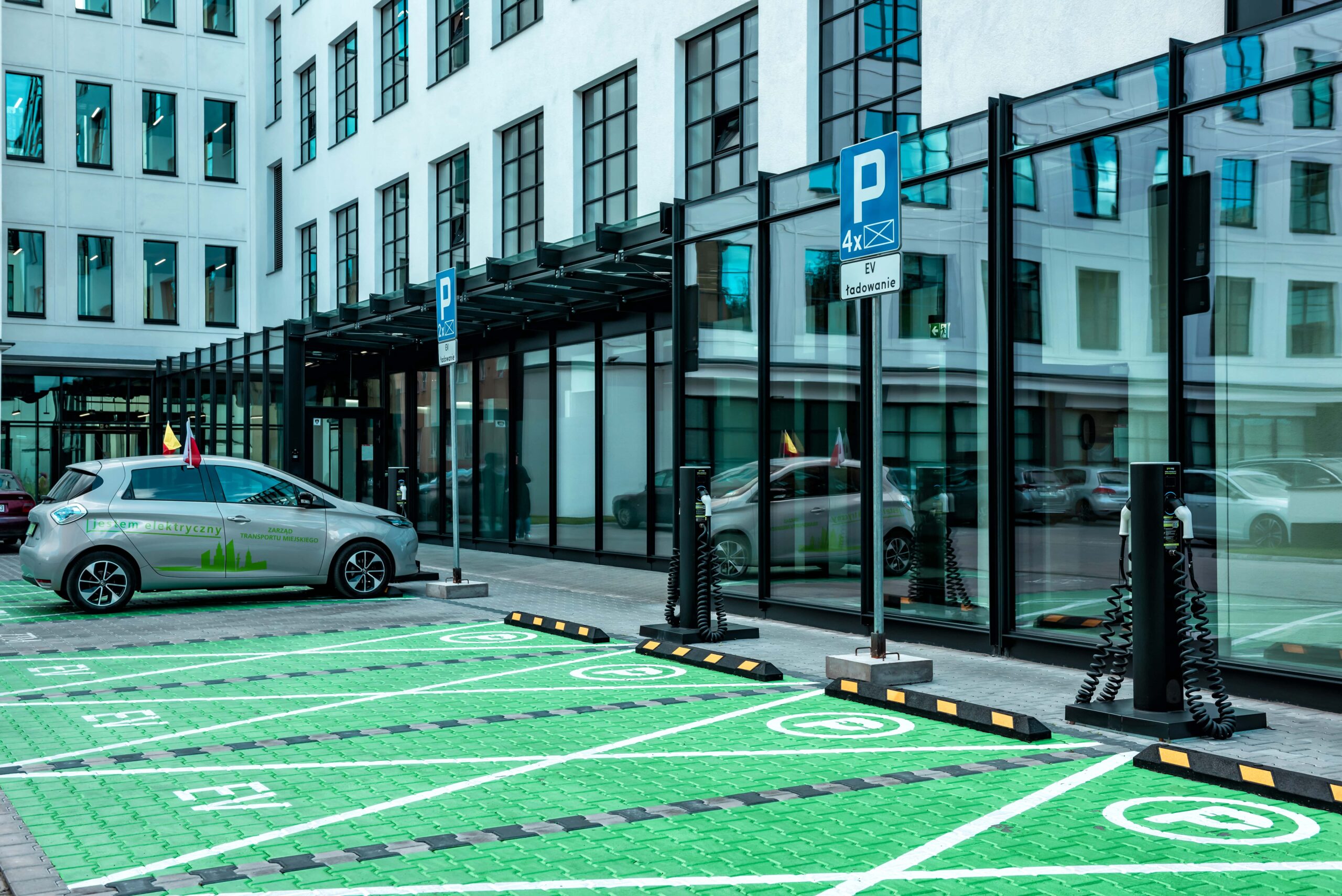
One of the most promising sustainable transport approaches in India is the rapid adoption of electric vehicles (EVs) and shared mobility platforms. Electric buses, e-rickshaws, and shared EV fleets are reducing both emissions and dependence on fossil fuels. Government-led initiatives such as the FAME (Faster Adoption and Manufacturing of Hybrid and Electric Vehicles) scheme have accelerated this transition by supporting EV infrastructure, subsidies, and public awareness. Combined with ride-sharing and micro-mobility solutions, these efforts are paving the way for an efficient, inclusive, and low-emission transport network.
Developing Integrated Public Transport Systems
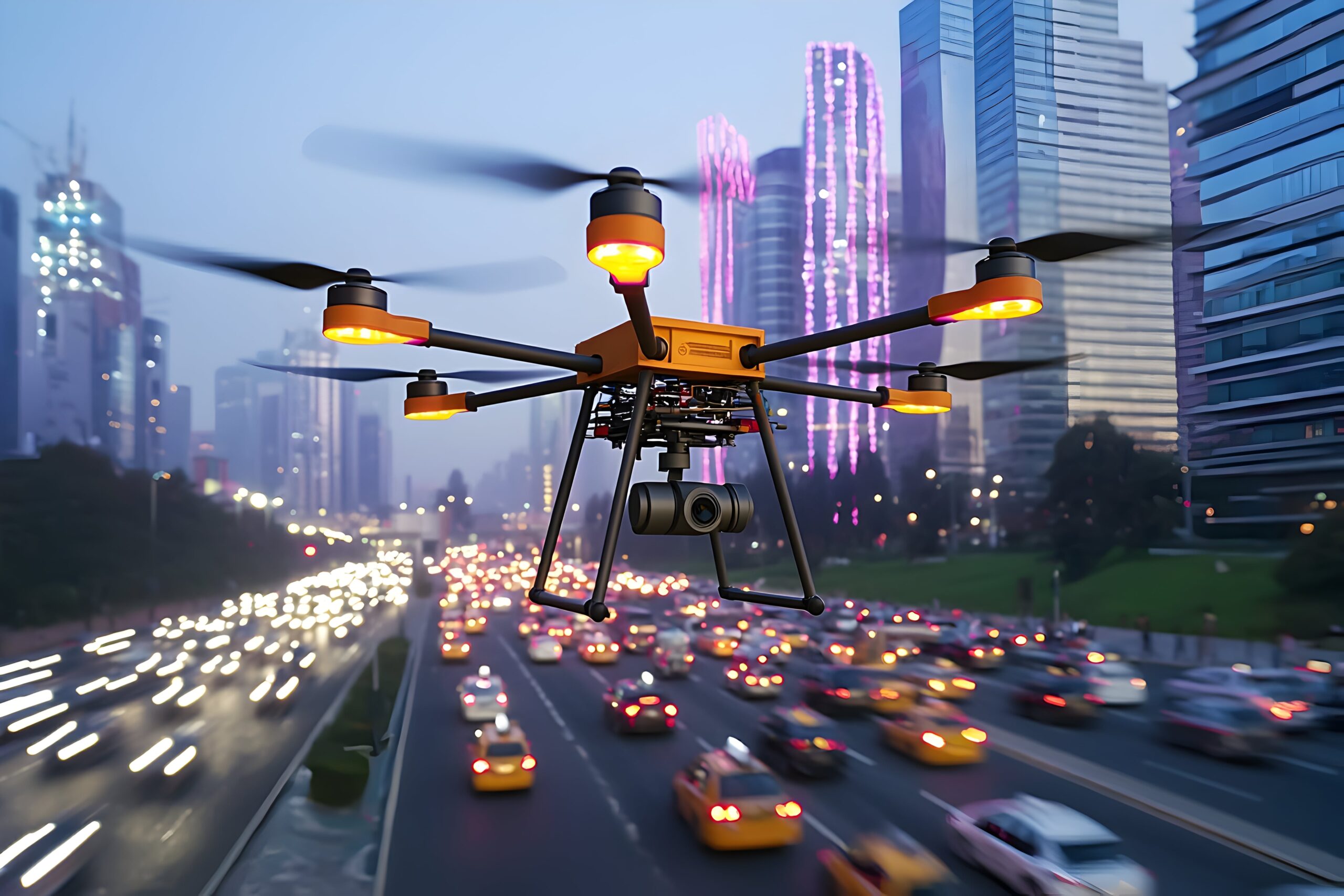
Sustainability in urban mobility also depends on the integration of various transport modes. Metro systems, bus rapid transit (BRT), and feeder services are being interconnected through unified ticketing and digital apps to offer seamless commuting experiences. Smart city projects in Delhi, Pune, and Bengaluru are already leveraging data-driven transport planning and real-time traffic monitoring to enhance operational efficiency. This multimodal integration not only improves accessibility but also encourages citizens to shift from private vehicles to public transport.
Encouraging Non-Motorized and Green Mobility Options
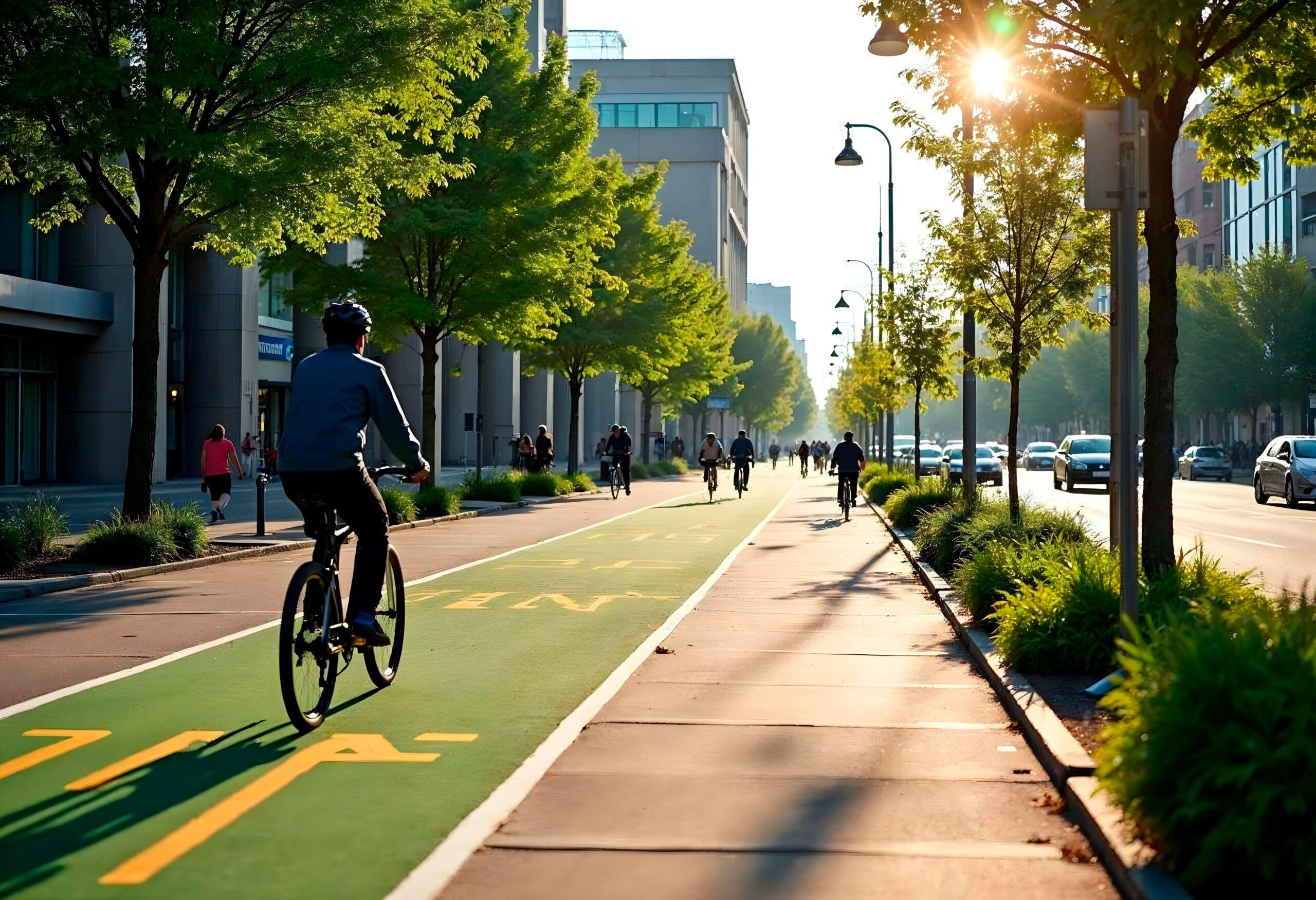
Beyond motorized transport, Indian cities are investing in pedestrian-friendly infrastructure and cycling networks to promote healthier and zero-emission mobility. Initiatives like dedicated bicycle lanes, public bike-sharing programs, and walkable urban zones contribute to reducing congestion and improving air quality. When supported by urban design policies that prioritize safety and accessibility, non-motorized transport becomes an integral part of a sustainable mobility ecosystem.
Conclusion
Sustainable urban transport models are vital for shaping the future of India’s cities—ensuring cleaner air, reduced congestion, and improved quality of life. Through electric mobility, integrated public systems, and green transport options, India is taking significant steps toward building smarter, more sustainable cities. As innovation and policy continue to align, the vision of eco-friendly and efficient urban mobility will soon become a nationwide reality.
Share this content:

Post Comment