Sustainable Public Transport Systems Around the World
As the global population grows and urbanization intensifies, sustainable public transport has become essential for building cleaner, more efficient cities. Around the world, countries are embracing innovative transit solutions that reduce carbon emissions, minimize congestion, and improve quality of life. From electric buses to high-speed rail and cycling networks, sustainable transport systems are redefining urban mobility.
Electric and Hybrid Buses Leading the Charge
Cities like Shenzhen, China and Oslo, Norway have become global leaders in electric bus adoption. Shenzhen was the first city to fully electrify its public bus fleet, cutting emissions and noise pollution dramatically. Similarly, many European cities are shifting to hybrid and battery-powered buses to meet climate goals. These vehicles are supported by charging infrastructure that’s often powered by renewable energy sources, further enhancing their sustainability.
Rail and Metro Systems Powered by Green Energy
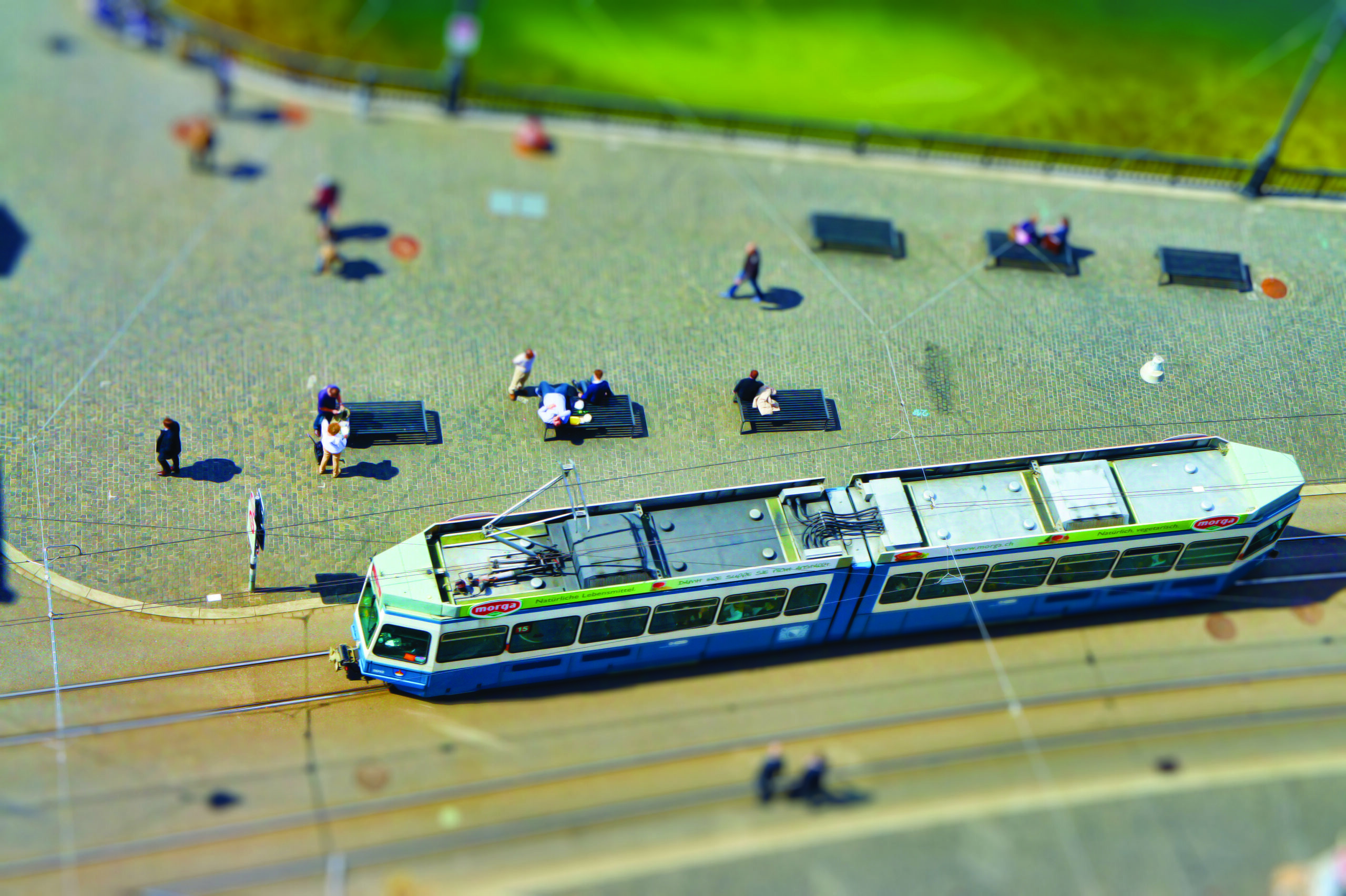
Railways and metro systems offer mass transit with a lower environmental footprint — especially when powered by clean energy. Switzerland’s rail system, for example, runs almost entirely on hydroelectric power. France’s TGV, one of the world’s fastest high-speed rail networks, is increasingly powered by wind and solar energy. Metro systems in cities like Delhi and Stockholm are also integrating solar panels into stations and depots, making everyday travel more eco-friendly.
Promoting Non-Motorized Transit: Bikes and Pedestrians First
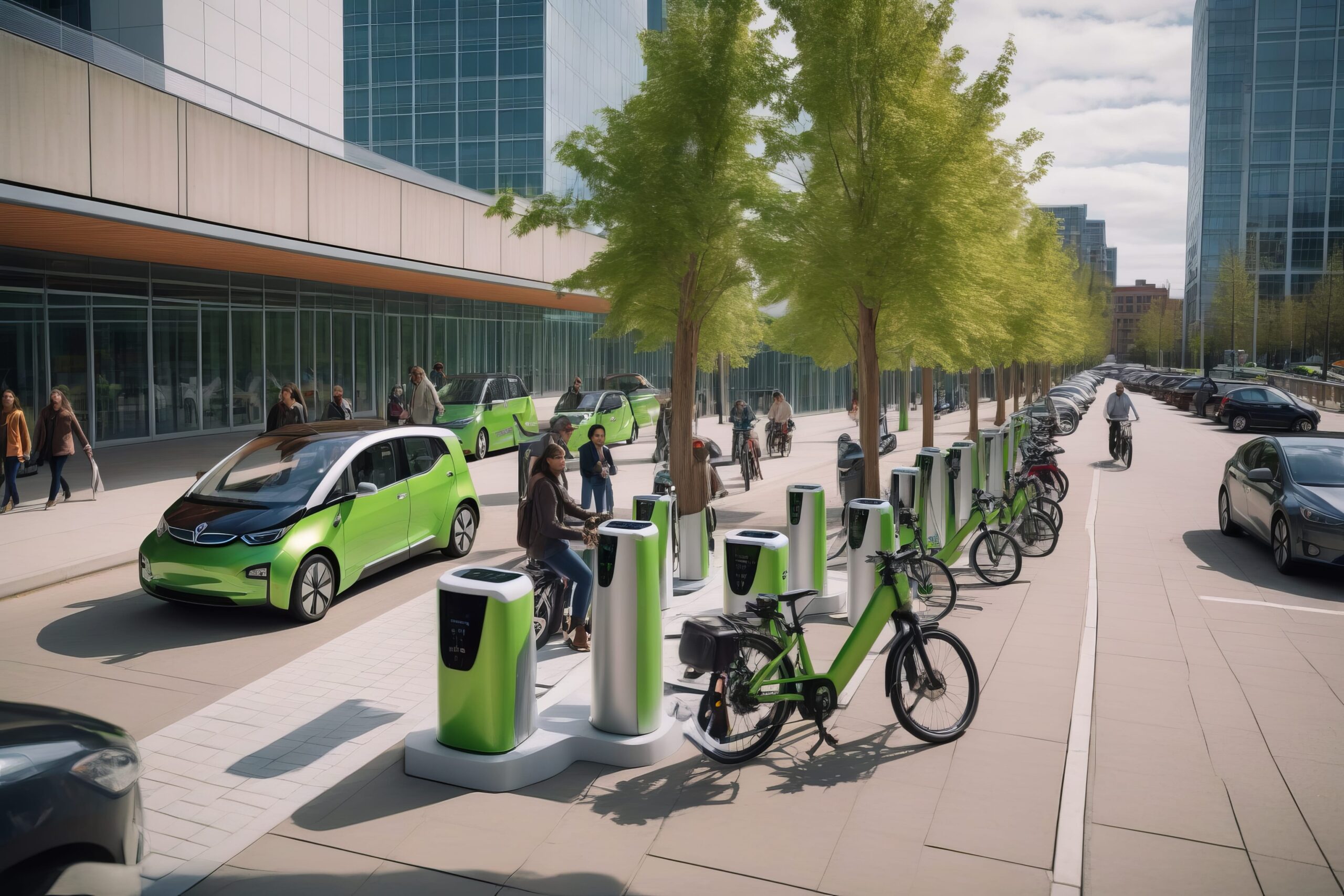
Public transport sustainability isn’t limited to buses and trains — it also includes encouraging walking and cycling. Amsterdam and Copenhagen are renowned for their expansive bike lanes, bike-share programs, and pedestrian-friendly infrastructure. These cities have drastically reduced car usage, improved air quality, and created healthier urban lifestyles. More recently, Paris has launched a “15-minute city” initiative aimed at minimizing travel needs by making all essential services accessible by foot or bike.
Conclusion: Learning from Global Leaders to Build Greener Cities
From zero-emission buses to bike-friendly city planning, sustainable public transport systems across the world are setting powerful examples. As nations aim to meet climate targets and reduce urban congestion, these models offer valuable lessons. With the right investment, infrastructure, and public support, every city can move toward a greener, more inclusive transit future — one ride at a time.
Share this content:

Post Comment