Solar-Powered EV Charging Stations: The Future of Clean Energy

A Greener Way to Power Electric Vehicles
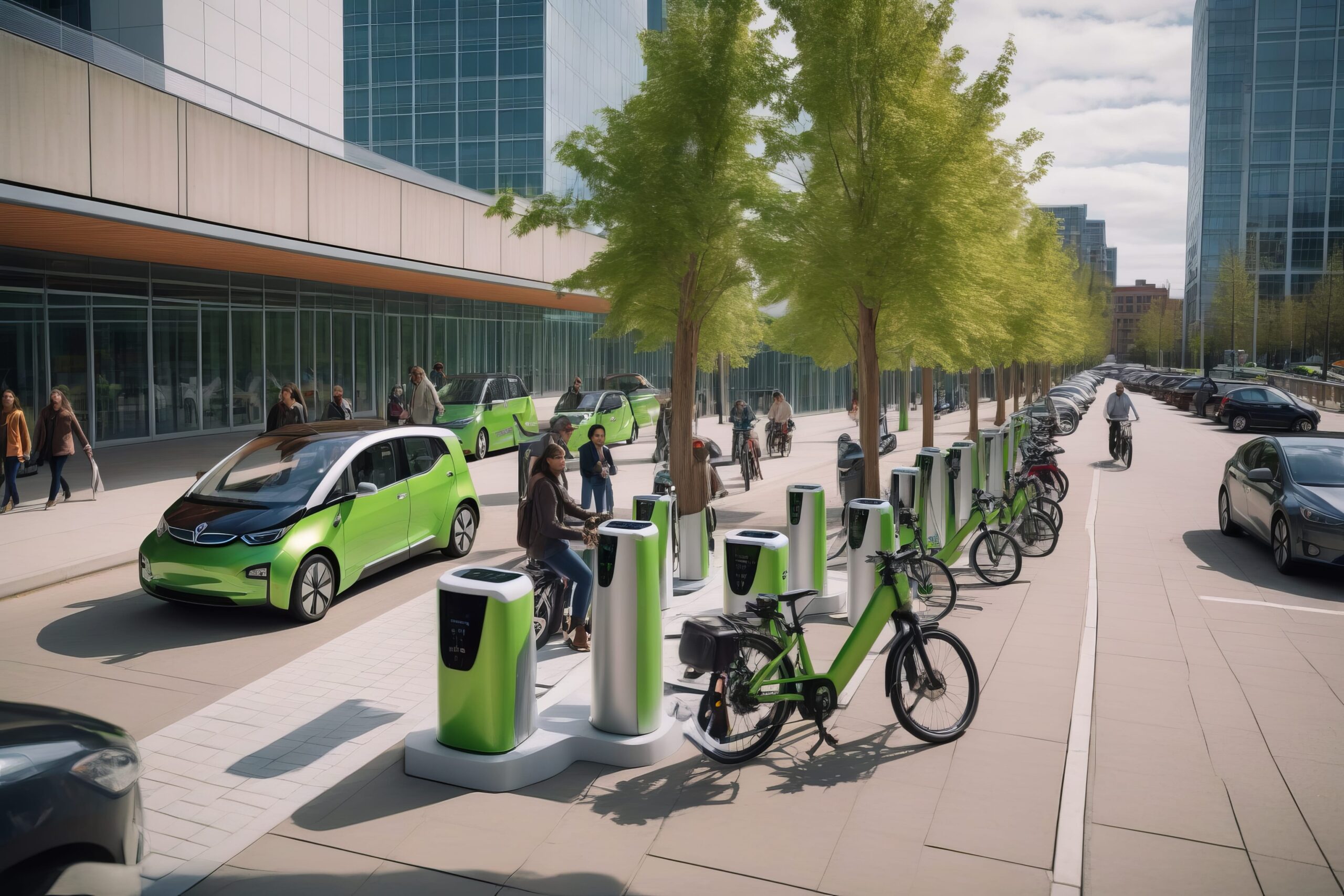
Solar-powered EV charging stations combine two clean technologies—electric vehicles and renewable solar energy—to create a sustainable transport ecosystem. By harnessing energy from the sun, these stations reduce dependence on grid electricity, much of which still comes from fossil fuels. This not only lowers carbon emissions but also helps reduce the operational cost of charging electric vehicles.
Advantages of Solar EV Charging Infrastructure
Solar charging stations offer several key benefits: they operate with zero emissions, provide off-grid capability, and reduce peak load pressure on urban electricity networks. With net metering and energy storage systems, excess solar energy can be stored or fed back to the grid. Moreover, solar panels have a long lifespan, and once installed, maintenance costs are minimal—making this a cost-effective and eco-friendly solution for the long term.
India’s Progress and Potential
India, with its abundant sunlight, is well-positioned to lead in solar-powered EV infrastructure. Several smart cities, metro stations, and highways have started integrating solar EV chargers. Government programs like FAME II and National Electric Mobility Mission Plan (NEMMP) are encouraging renewable-based charging models. Startups and energy companies are also entering the space, offering modular solar charging setups for residential, commercial, and public use.
Conclusion
Solar-powered EV charging stations represent the next step in clean energy mobility. By aligning electric transportation with renewable energy, they offer a holistic solution to pollution, energy security, and sustainability. As technology costs fall and policies align, solar charging is set to become a mainstream part of India’s EV ecosystem, powering the future—cleanly and efficiently.
Share this content:


Post Comment