Scrappage Policy & Its Impact on EV Transition in India
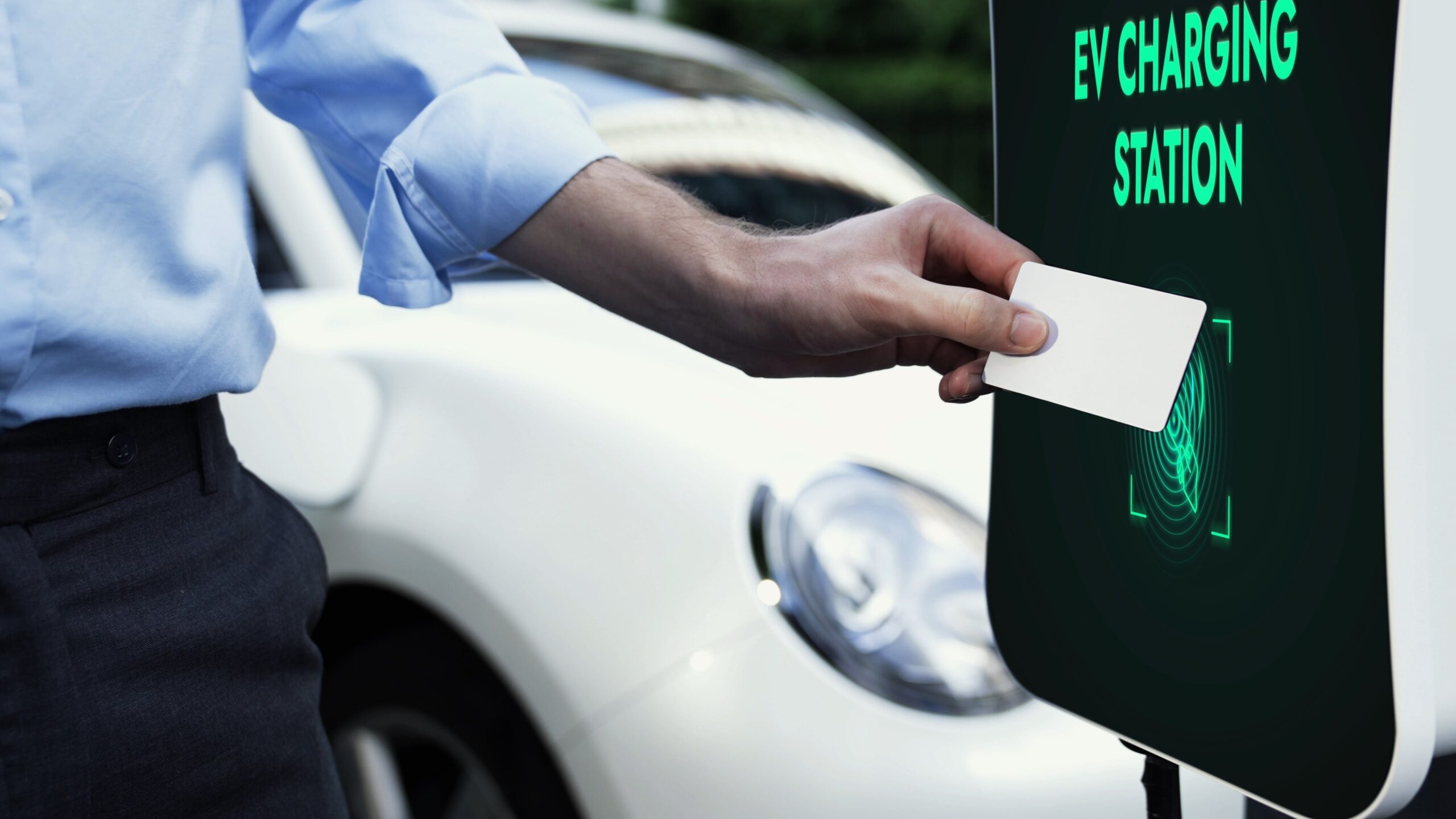
India’s ambitious push towards electric mobility is getting a boost from the Vehicle Scrappage Policy, a government initiative aimed at phasing out old, polluting vehicles and replacing them with cleaner, greener alternatives. By encouraging the retirement of unfit vehicles, this policy not only reduces environmental hazards but also accelerates the adoption of electric vehicles (EVs).
Understanding India’s Vehicle Scrappage Policy
The policy mandates that passenger vehicles older than 20 years and commercial vehicles older than 15 years must undergo a fitness test at registered automated testing centers. Vehicles failing these tests are required to be scrapped. Owners who voluntarily scrap their old vehicles can benefit from financial incentives, including discounts on new vehicle purchases, reduced road tax, and waivers on registration fees.
Boosting Demand for Electric Vehicles
By removing old internal combustion engine (ICE) vehicles from the roads, the policy creates a natural demand for replacements. Given the growing environmental awareness and government subsidies for EVs, many consumers are likely to shift towards electric mobility. Automakers are seizing this opportunity to launch more affordable and efficient EV models, making the transition easier for buyers.
Economic and Environmental Benefits
The scrappage of older vehicles leads to significant reductions in air pollution and greenhouse gas emissions. Additionally, it helps recover valuable raw materials like steel, aluminum, and copper, which can be reused in manufacturing, lowering production costs. For the economy, the policy stimulates demand in the automotive sector, boosts manufacturing activity, and generates employment in vehicle recycling and EV production.
Conclusion
India’s Vehicle Scrappage Policy is more than just an environmental initiative—it’s a catalyst for the EV revolution. By removing outdated and polluting vehicles, incentivizing consumers, and supporting manufacturers, the policy bridges the gap between traditional mobility and a cleaner, electric future. As implementation progresses, it’s set to play a critical role in making India’s transportation sector sustainable, efficient, and future-ready.
Share this content:

Post Comment