Public-Private Partnerships Transforming EV Infrastructure

As the electric vehicle (EV) market accelerates globally, robust infrastructure is critical for widespread adoption. Public-private partnerships (PPPs) are emerging as a powerful mechanism to drive the expansion of EV charging networks, foster innovation, and create sustainable urban mobility solutions. By leveraging the strengths of both sectors, PPPs are transforming the EV landscape in India and worldwide.
Collaborative Investment in Charging Infrastructure
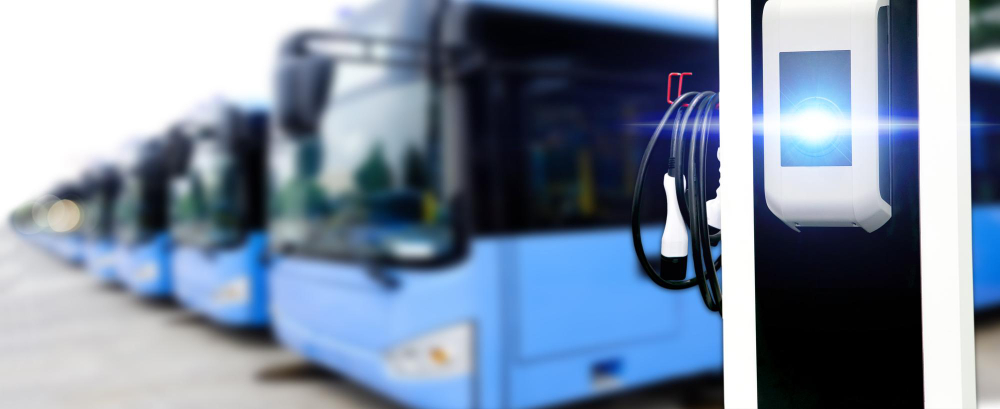
Public-private partnerships allow governments and private enterprises to pool resources, reducing the financial burden on a single entity. Governments provide incentives, subsidies, and policy support, while private companies bring technical expertise, innovation, and operational efficiency. This synergy has enabled faster deployment of charging stations across highways, urban centers, and commercial hubs, ensuring EV owners have reliable access to power wherever they travel.
Innovation Through Technology and Data Sharing
PPPs encourage technological innovation by enabling companies to experiment with smart charging solutions, energy management systems, and renewable energy integration. Sharing data between public and private stakeholders improves planning, predicts charging demand, and optimizes grid management. Such collaborations accelerate the adoption of next-gen charging technologies, including ultra-fast chargers and wireless charging, making EVs more convenient for consumers.
Enhancing Policy and Consumer Confidence
Government involvement in PPPs provides a regulatory framework and consumer trust, while private sector participation ensures quality, efficiency, and service innovation. Clear policies on incentives, tariffs, and safety standards help build confidence in EV adoption. Consumers benefit from accessible, reliable infrastructure and transparent service standards, making EV ownership a practical and attractive choice.
Conclusion
Public-private partnerships are shaping the future of electric mobility by combining the strengths of government oversight and private sector innovation. Through collaborative investment, technological advancement, and consumer-focused policies, PPPs are driving the creation of a robust, efficient, and sustainable EV infrastructure. As these partnerships expand, they will continue to play a pivotal role in accelerating the transition to a cleaner, greener transportation ecosystem.
Share this content:

Post Comment