Public EV Charging Infrastructure for Cleaner Cities
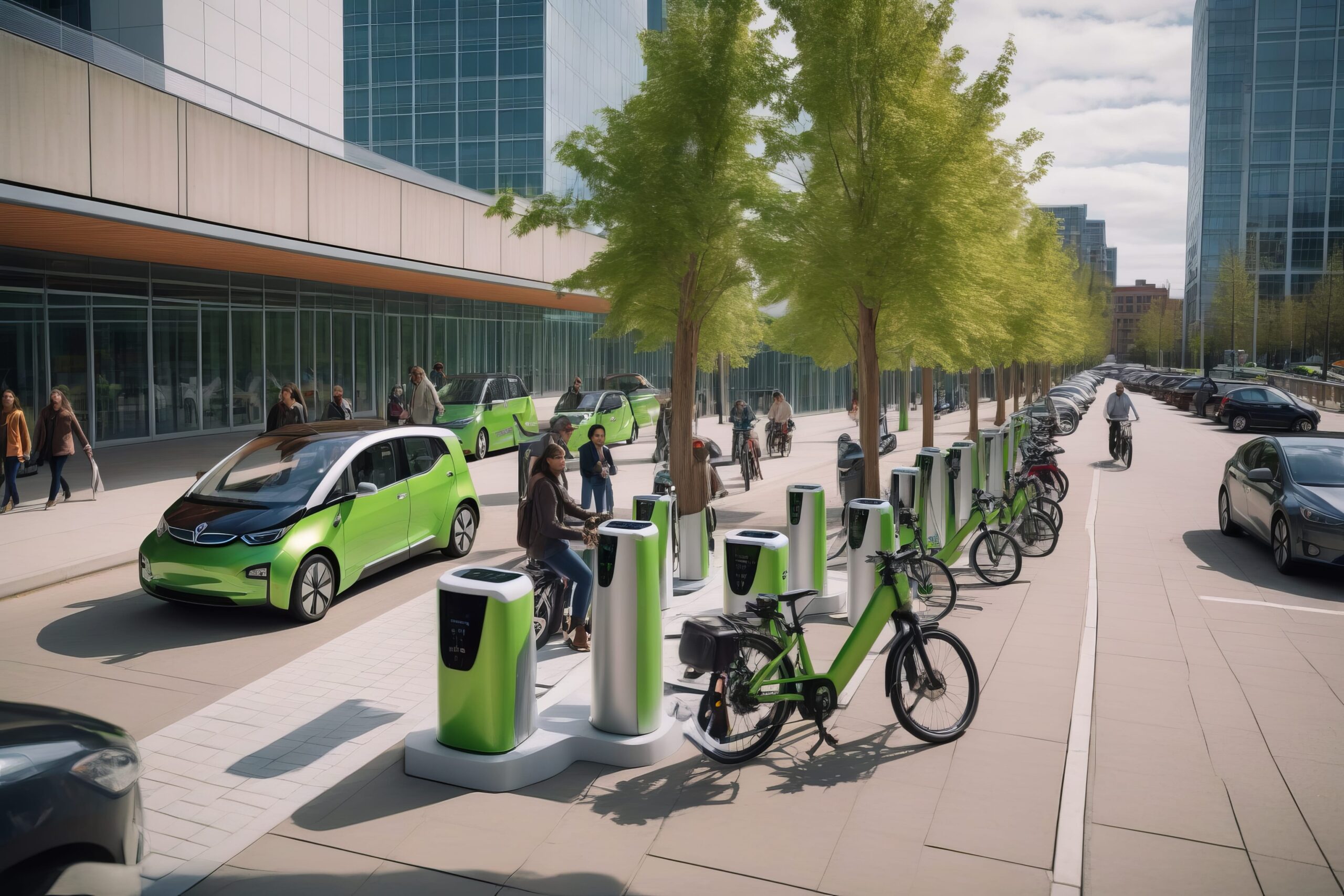
As electric vehicles (EVs) continue to gain momentum worldwide, the availability of accessible and efficient charging stations is becoming essential. Developing robust public EV charging infrastructure is one of the most effective ways to accelerate EV adoption and create cleaner, more sustainable cities. With strategic planning and smart technology integration, public charging networks are transforming urban mobility while significantly reducing pollution and carbon emissions.
The Growing Need for Public Charging Networks
The shift toward electric mobility depends heavily on reliable and widespread charging access. Many urban EV owners lack private parking spaces for home charging, making public EV charging infrastructure vital. Governments and city planners are installing charging points at key locations such as shopping centers, office complexes, and highways to ensure convenience and accessibility. The expansion of these networks not only supports EV users but also builds confidence among potential buyers considering the switch from fossil-fuel vehicles.
Smart and Sustainable Charging Solutions
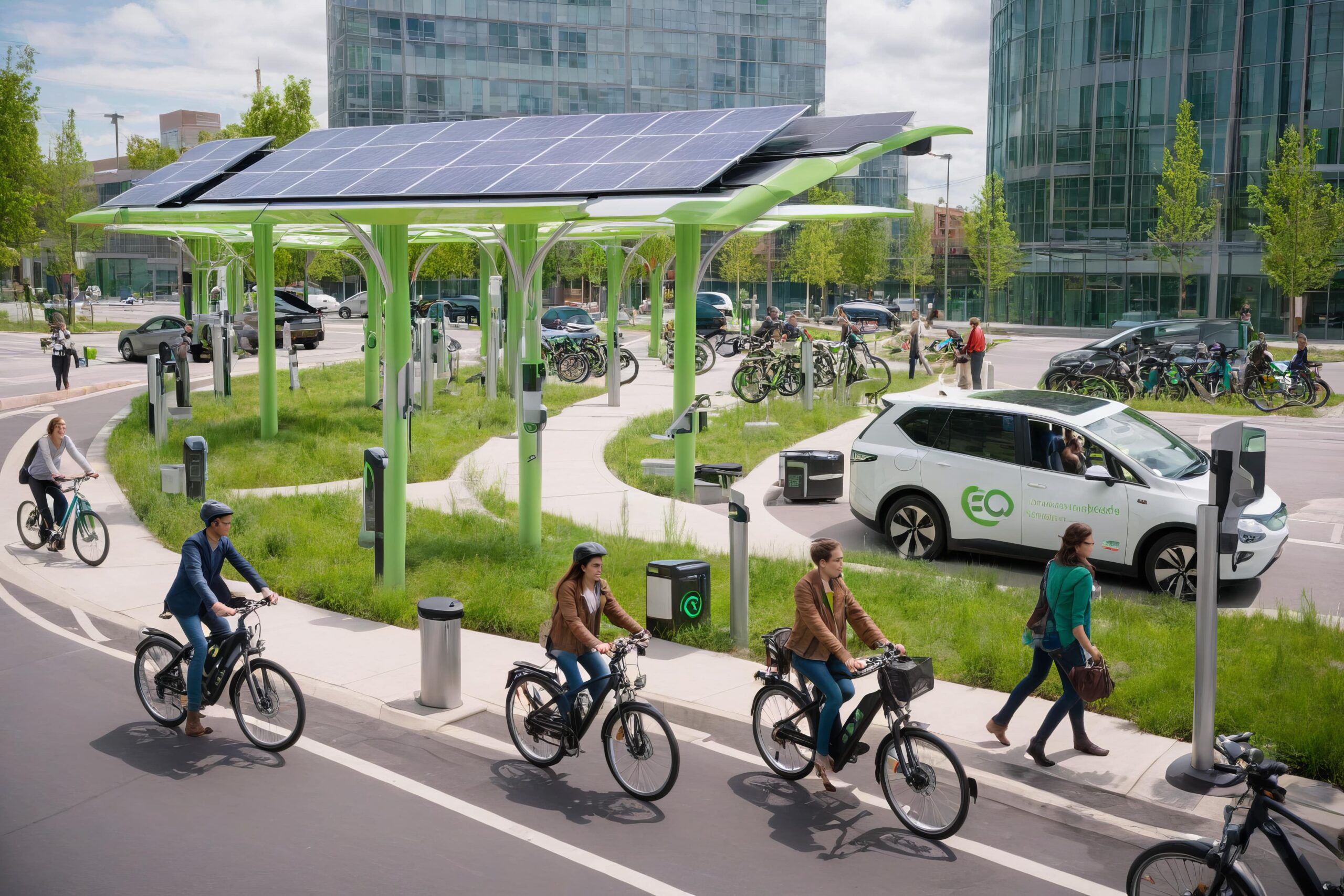
Modern public EV charging infrastructure is powered by smart technology and renewable energy. Smart chargers can monitor power demand, schedule charging during off-peak hours, and optimize energy use to avoid grid overload. Integrating solar panels or wind energy into charging systems ensures that electricity for EVs comes from clean sources. Additionally, features like mobile payment, real-time station availability, and fast-charging capabilities make EV charging more user-friendly and efficient.
Environmental and Economic Benefits for Urban Areas
Expanding public EV charging infrastructure has a direct impact on air quality and urban sustainability. By promoting EV usage, cities can drastically cut down on vehicular emissions, noise pollution, and dependence on imported fuels. Economically, the growth of charging networks stimulates green jobs, attracts investment, and encourages local innovation in renewable energy and mobility solutions. Cleaner air, quieter streets, and improved public health are among the long-term rewards of this transition.
Conclusion
The development of public EV charging infrastructure is a cornerstone of building cleaner, smarter cities. It not only facilitates the widespread use of electric vehicles but also contributes to environmental protection and energy efficiency. As urban centers continue to evolve, the expansion of smart, renewable-powered charging stations will play a pivotal role in shaping a sustainable, low-emission future for all.
Share this content:


Post Comment