How Norway’s EV Policies Inspire India’s Market Strategies

Norway has emerged as a global pioneer in electric vehicle (EV) adoption, setting an example through progressive policies, strong government incentives, and consumer-friendly strategies. As India accelerates its transition toward electric mobility, Norway’s EV success offers valuable insights to shape market strategies, policy frameworks, and industry growth in the Indian EV ecosystem.
Consumer Incentives That Accelerate EV Adoption
Norway’s EV boom is driven by financial incentives such as exemption from import duties, VAT, and road taxes, along with benefits like free toll access, parking discounts, and priority lanes. These incentives make EV ownership highly attractive. India can adopt similar targeted subsidy models and tax benefits to make electric vehicles more affordable and appealing to consumers across urban and semi-urban markets.
Building a Strong Charging Infrastructure Ecosystem
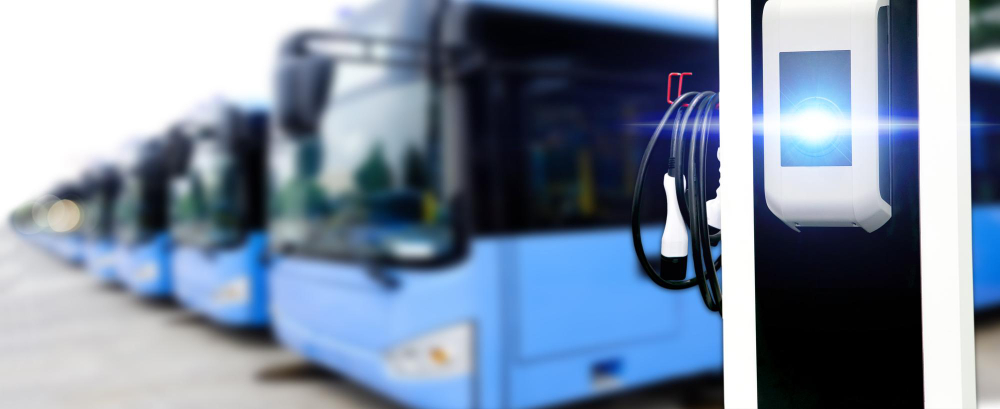
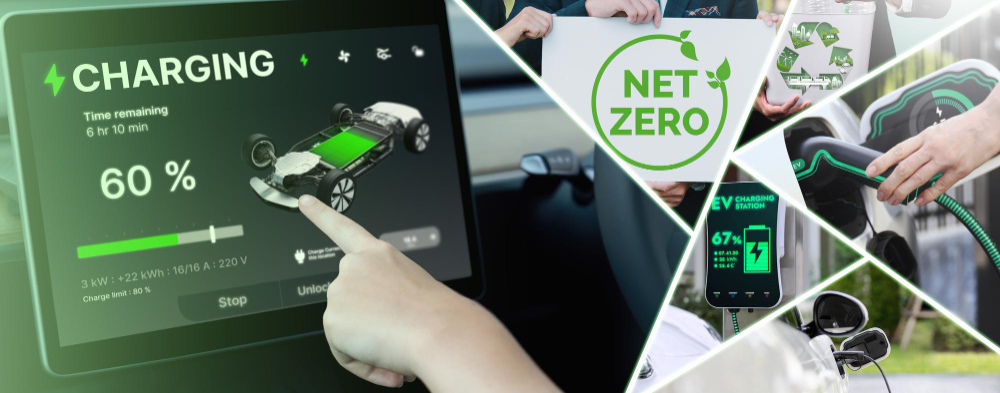
Norway invested early in widespread charging infrastructure, ensuring easy access to fast chargers across cities and highways. This eliminated range anxiety and boosted consumer confidence. For India, expanding public charging networks, highway fast-charging corridors, and residential charging solutions can play a key role in accelerating mass EV adoption.
Supporting Local Manufacturing and Market Innovation
Norway’s EV success is also supported by collaboration between policymakers, manufacturers, and energy providers, fostering innovation and sustainable business models. India can learn to strengthen local EV manufacturing, battery production, research and development, and renewable energy integration, creating a robust and competitive EV market while generating employment and reducing import dependency.
Conclusion
By adapting Norway’s consumer-focused incentives, infrastructure-driven growth, and innovation-led collaboration, India can build effective EV market strategies that accelerate adoption and strengthen domestic manufacturing. Learning from Norway’s EV journey can help India achieve its clean mobility goals, reduce carbon emissions, and emerge as a global leader in the electric vehicle industry.
Share this content:

Post Comment