Lithium-Ion vs Solid-State Batteries: Which is the Future?
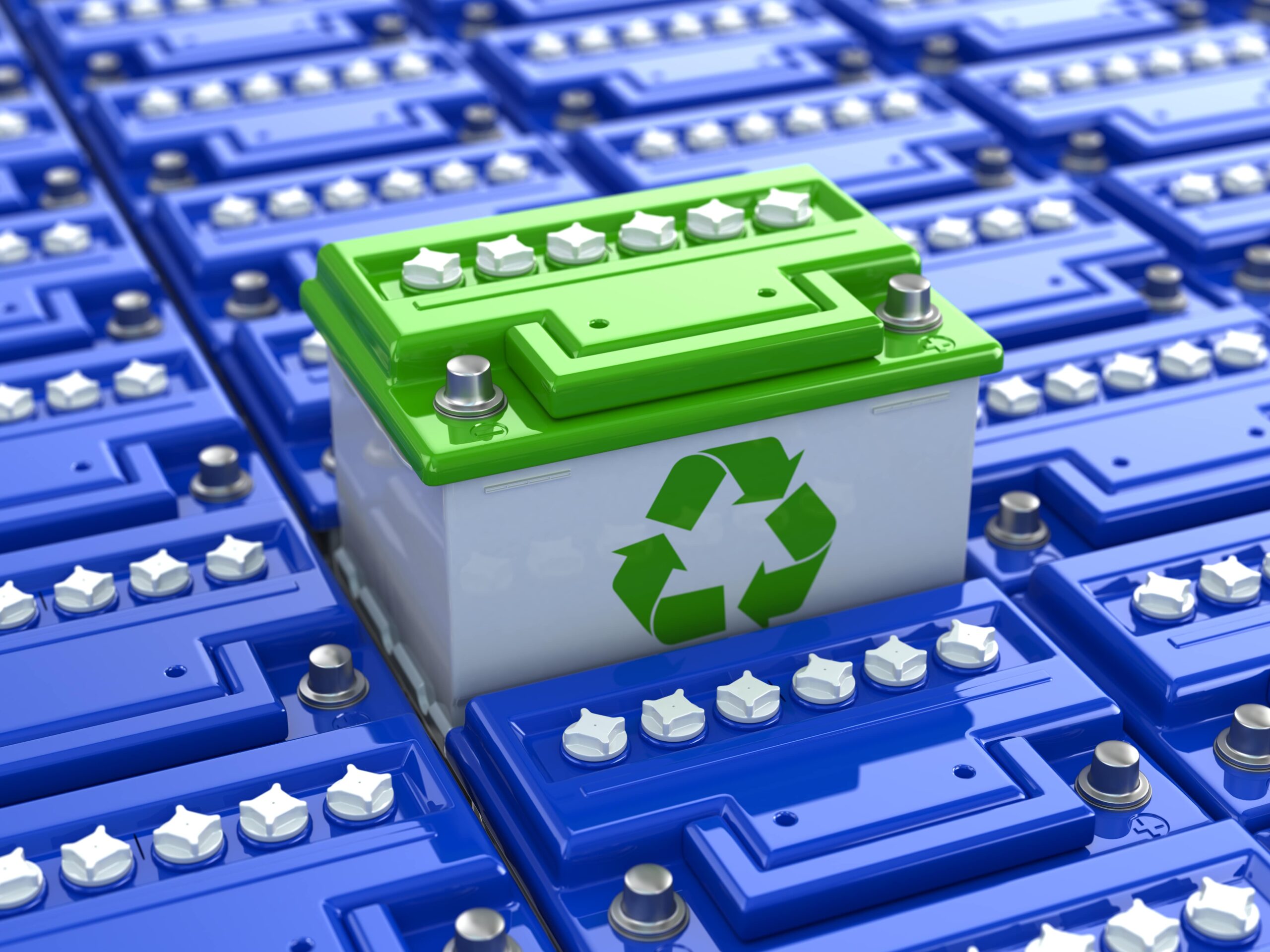
Electric vehicle technology is rapidly evolving, and battery innovation lies at the heart of this transformation. Lithium-ion batteries have powered EVs for over a decade, but solid-state batteries are emerging as a potential game-changer. Understanding the differences, benefits, and limitations of these technologies is key to predicting the future of electric mobility.
Lithium-Ion Batteries: The Current Standard
Lithium-ion batteries have become the backbone of the EV industry due to their proven reliability, energy density, and scalability. They offer good range, stable performance, and mature manufacturing processes, making them widely adopted in cars, two-wheelers, and even electric buses. However, they face limitations such as thermal sensitivity, moderate charging speeds, and gradual degradation over time. Despite these challenges, lithium-ion technology continues to improve through better materials and enhanced battery management systems.
Solid-State Batteries: The Next Frontier
Solid-state batteries replace the liquid electrolyte used in lithium-ion cells with a solid material, offering higher energy density, faster charging, and improved safety. They are less prone to overheating and can withstand higher voltages, potentially extending the vehicle’s range and lifespan. While still in early commercial stages, solid-state batteries represent a promising solution for next-generation EVs, particularly for premium models and applications that demand both performance and safety.
Weighing Adoption, Cost, and Practicality
The transition from lithium-ion to solid-state batteries will depend heavily on cost, manufacturing scale, and infrastructure readiness. Lithium-ion remains cheaper and widely available, making it the practical choice for mass-market EVs today. Solid-state batteries, although superior in performance, are currently expensive to produce and require advanced manufacturing processes. Over time, as production scales and costs decrease, solid-state technology could gradually replace lithium-ion as the standard for high-performance electric vehicles.
Conclusion
Both lithium-ion and solid-state batteries have critical roles in the EV landscape. Lithium-ion continues to power the current generation of electric vehicles efficiently, while solid-state batteries promise a safer, faster-charging, and higher-capacity future. Ultimately, the evolution of EV battery technology may involve a gradual transition, with lithium-ion dominating today and solid-state leading the next wave of electric mobility innovation.
Share this content:
Post Comment