Infrastructure for Sustainability: EV Charging & Beyond
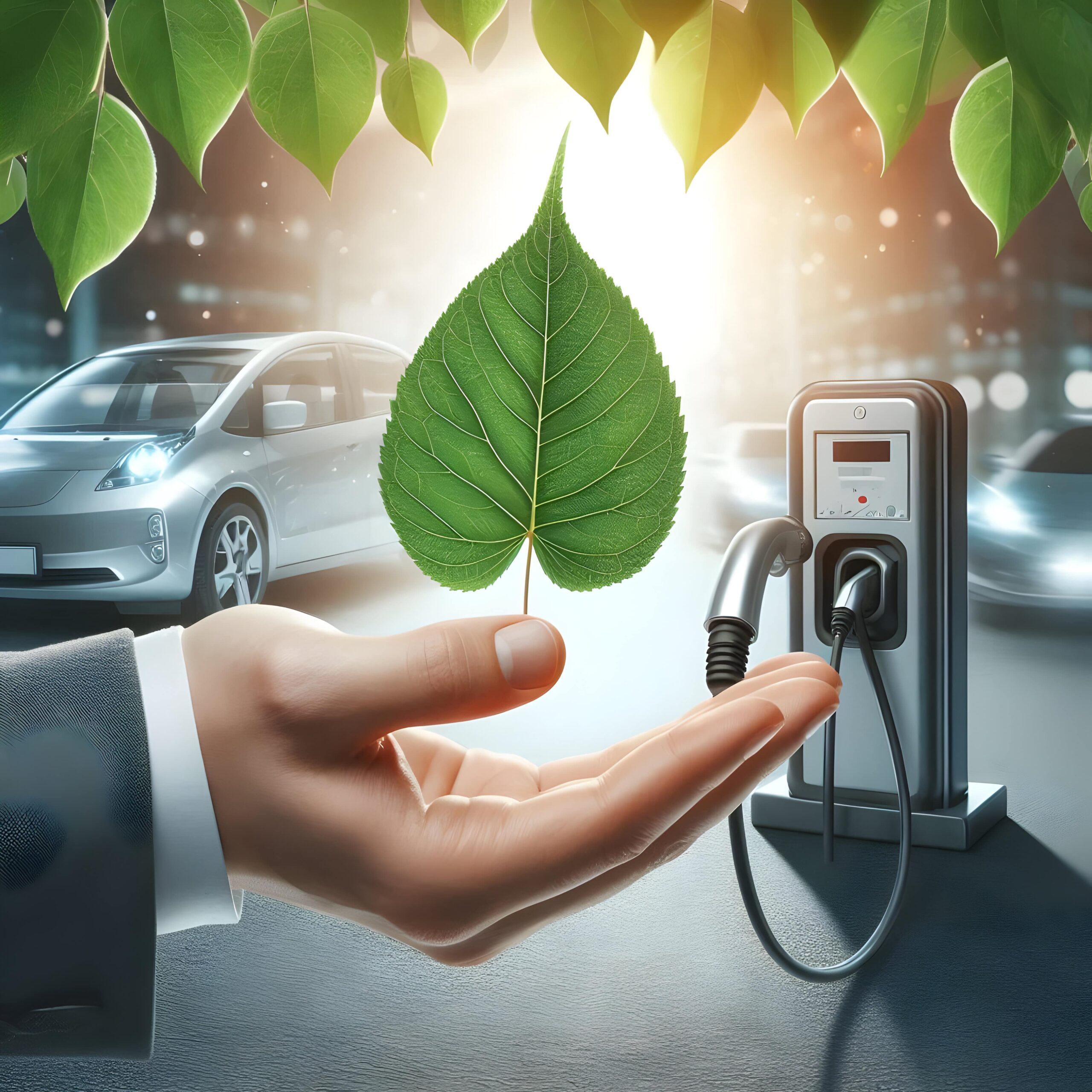
The transition to eco-friendly transportation isn’t just about adopting electric vehicles (EVs); it also depends on creating robust infrastructure to support them. As India accelerates its shift toward green mobility, building sustainable infrastructure is becoming just as important as manufacturing EVs. From widespread charging networks to renewable energy integration, the future of mobility rests on infrastructure that makes eco-friendly choices more convenient, affordable, and scalable.
Expanding EV Charging Networks Across India
An extensive and reliable EV charging network is the backbone of sustainable mobility. The Indian government, along with private companies, is actively setting up fast-charging stations along highways, in urban centers, and at workplaces. Initiatives like the Electric Mobility Promotion Scheme (EMPS) and FAME II support the installation of charging points nationwide. These networks reduce “range anxiety” and make it easier for individuals and fleets to adopt electric vehicles, ensuring uninterrupted travel even over long distances.
Integrating Renewable Energy Into Charging Infrastructure
A truly sustainable EV ecosystem goes beyond just replacing fossil fuels with electricity—it involves powering EVs with clean energy. Many new charging stations are being designed to integrate solar panels and other renewable sources, reducing the carbon footprint of each charge. This approach not only supports India’s renewable energy goals but also lowers operational costs for charging providers in the long run.
Beyond EVs: Building a Green Mobility Ecosystem
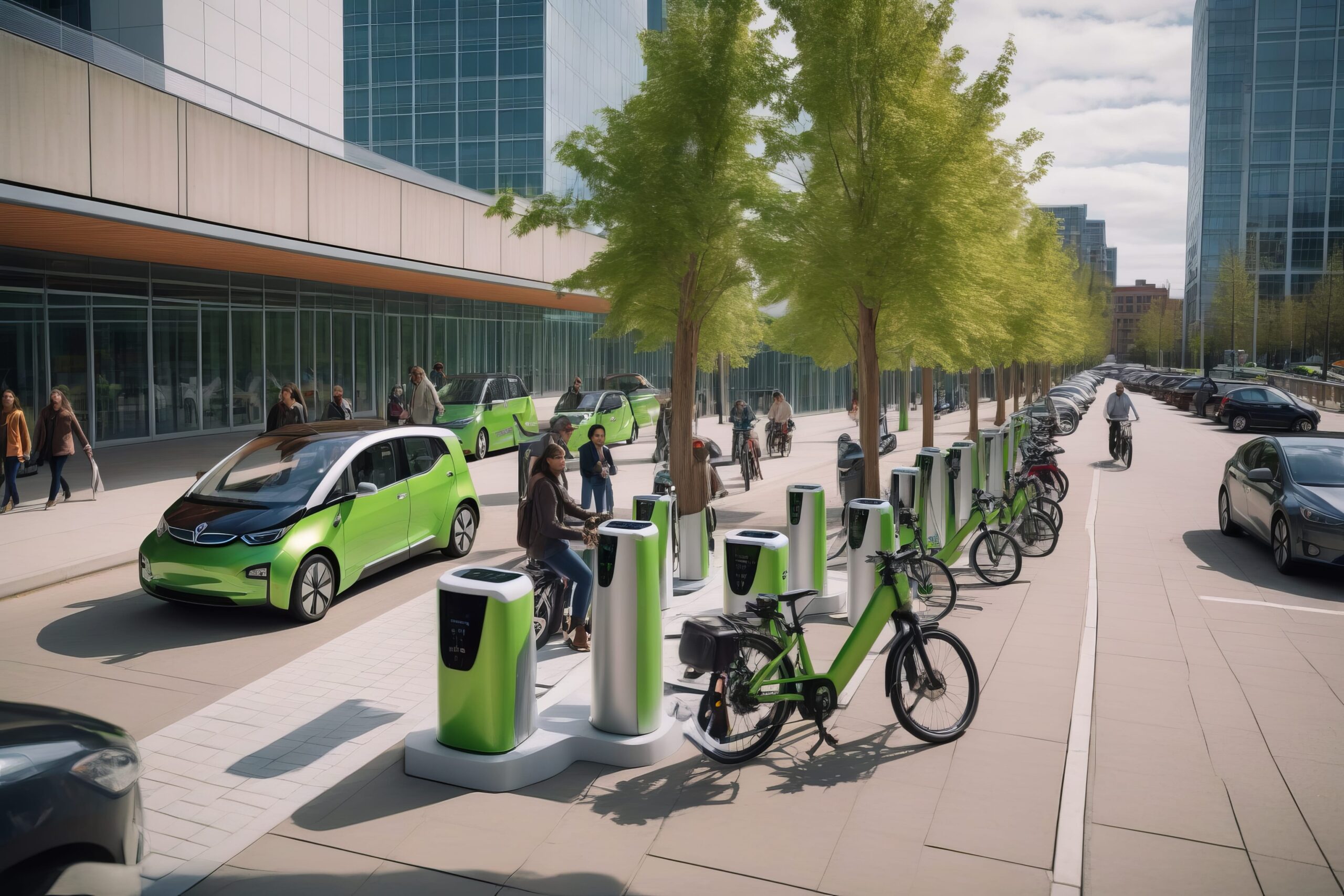
Sustainability in transportation extends beyond EV charging. It includes creating infrastructure for electric buses, shared mobility hubs, battery swapping stations, and last-mile delivery solutions powered by green energy. Cities are also experimenting with smart parking systems, eco-friendly public transport corridors, and better pedestrian and cycling infrastructure. Together, these elements build an ecosystem that supports sustainable mobility for all, not just individual EV owners.
Conclusion
Infrastructure for sustainability is more than just installing charging points—it’s about designing a holistic, future-ready ecosystem. By combining widespread EV charging networks, renewable energy integration, and broader green mobility solutions, India can lead the way in creating a transportation system that is not only efficient but also environmentally responsible. The investments made today in sustainable infrastructure will determine how successfully the country transitions to cleaner, greener mobility in the coming years.
Share this content:

Post Comment