Bicycles, E-Scooters & Shared Mobility: Small Changes, Big Impact

In the race toward sustainable urban living and reduced carbon footprints, not every solution has to be large-scale or high-tech. Sometimes, small mobility choices—like riding a bicycle, renting an e-scooter, or opting for shared mobility—can collectively drive a massive impact on urban sustainability, air quality, and transport efficiency. As Indian cities become more congested and polluted, these micro-mobility options are offering a practical, eco-friendly path forward.
The Comeback of the Bicycle in Indian Cities
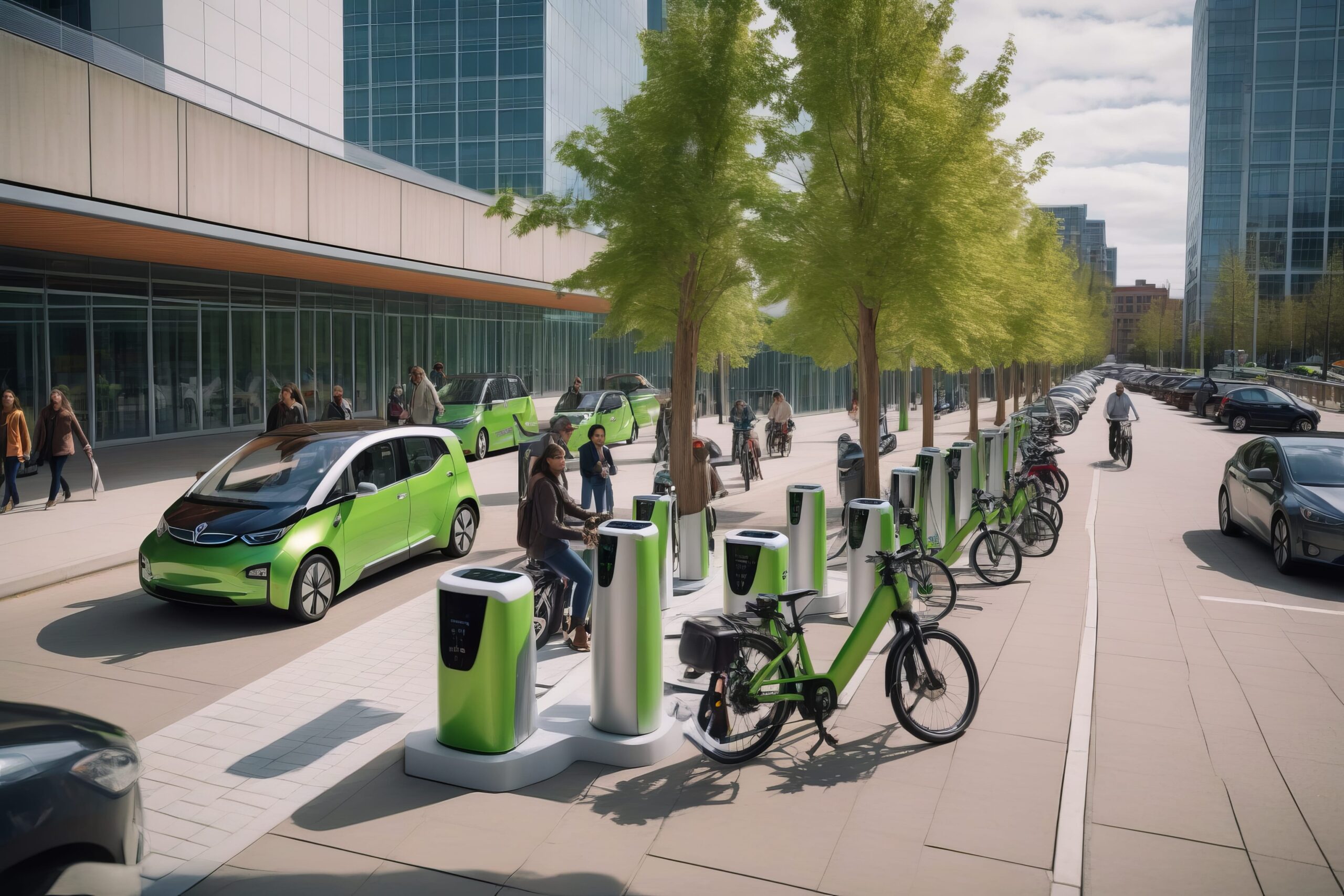
Bicycles, once a staple of Indian streets, are making a strong comeback—this time as a climate-friendly commuting solution. With zero emissions, low cost, and health benefits, cycling is gaining popularity not only among fitness enthusiasts but also as a mode of daily transport. Several city governments are investing in dedicated cycling tracks, cycle-sharing stations, and awareness campaigns to promote this age-old mode of green transport. In dense urban neighborhoods, bikes are proving faster and more flexible than cars for short distances.
E-Scooters: Clean, Convenient, and Connected
Electric scooters are fast becoming the go-to mobility solution for short urban commutes, especially among the younger generation. Compact, affordable, and now widely available through mobile apps, e-scooters are helping reduce the number of fuel-based two-wheelers on the road. With low operational costs and easy charging options, they also align well with India’s push toward cleaner cities and electric mobility. Cities like Bengaluru, Pune, and Delhi are already seeing widespread adoption of e-scooters, especially in tech parks, university campuses, and metro last-mile networks.
Shared Mobility: Optimizing Resources and Reducing Emissions
Shared mobility—be it ride-hailing, bike-sharing, or pooled e-scooters—allows users to access mobility without ownership, which drastically reduces the number of vehicles on the road. Fewer private vehicles mean lower emissions, less traffic congestion, and reduced demand for parking spaces. With government-backed schemes and growing private investment, India’s shared mobility market is poised to play a critical role in reducing the carbon footprint of transport, especially in urban centers.
Conclusion: A Collective Step Toward a Cleaner Future
Though they may seem like small steps individually, bicycles, e-scooters, and shared mobility solutions offer scalable, inclusive, and immediate benefits for India’s sustainability goals. By choosing greener transport methods for everyday travel, citizens not only contribute to cleaner air and quieter roads but also help create a culture that values resource efficiency and environmental responsibility. These small changes in how we move can lead to a big impact in how we live—and how we secure a greener tomorrow.
Share this content:
Post Comment