How EV Startups Are Disrupting the Two-Wheeler Market in India
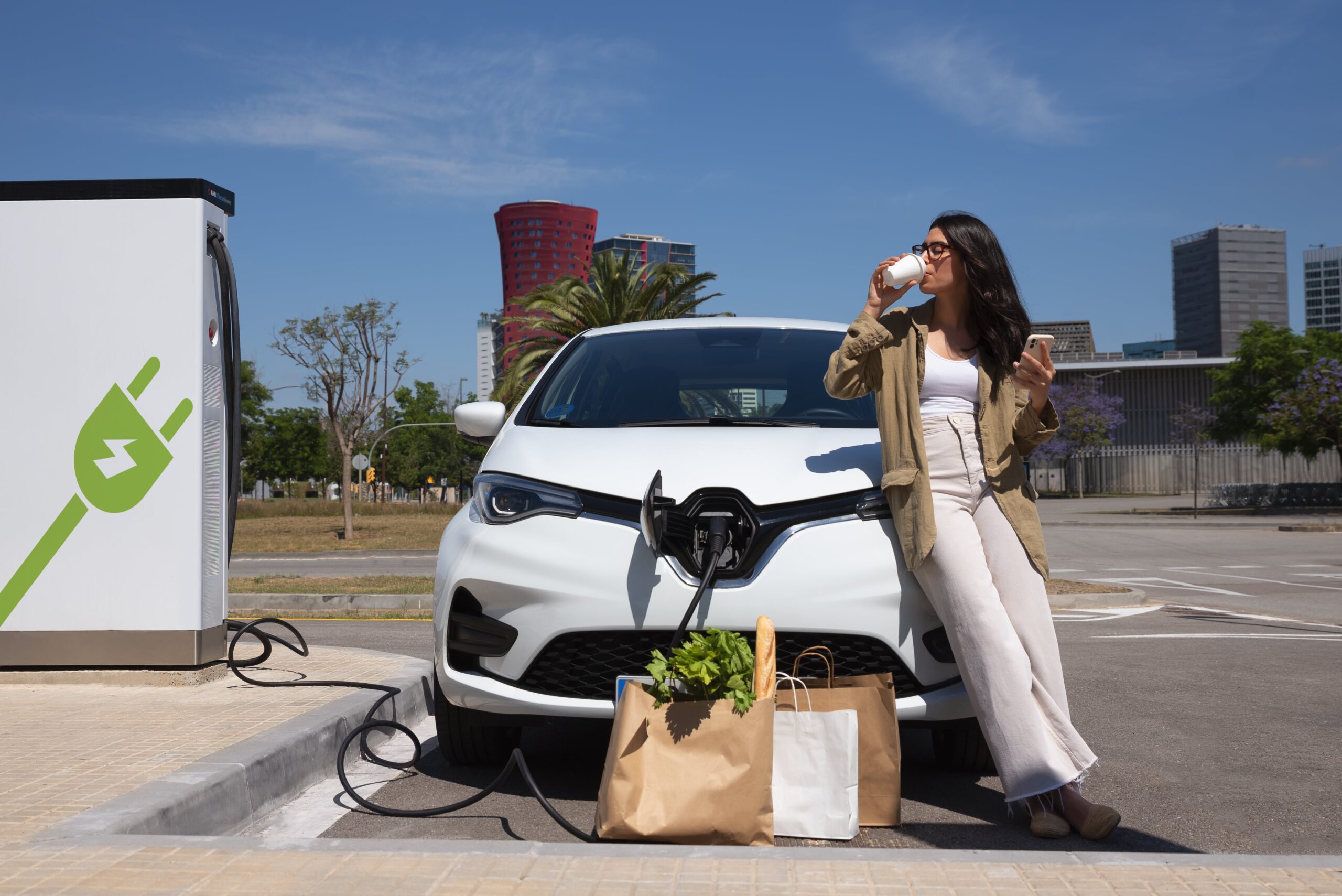
The Indian two-wheeler market, long dominated by petrol-powered scooters and motorcycles, is undergoing a major transformation. Leading this change are EV startups that are introducing affordable, efficient, and sustainable alternatives to traditional vehicles. With rising fuel costs, urban congestion, and increasing environmental concerns, electric two-wheelers are becoming an attractive option for Indian consumers. Startups are not only meeting this demand but also pushing the boundaries of innovation, technology, and customer experience.
Affordable and Accessible Mobility for the Masses
One of the most significant contributions of EV startups is the introduction of budget-friendly electric scooters and bikes tailored for the Indian market. Brands like Ola Electric, Bounce Infinity, and Okinawa have focused on designing models that meet the daily commuting needs of the average Indian consumer. By offering lower maintenance costs and savings on fuel, these vehicles present a cost-effective solution without compromising on style or performance. Financing schemes, government subsidies, and easy availability through online platforms have further increased accessibility for urban and rural users alike.
Smart Features and Connected Technology
EV startups are setting themselves apart by integrating smart features and digital connectivity into their vehicles. Models from Ather Energy and Tork Motors come equipped with touchscreen dashboards, navigation, ride analytics, and mobile app connectivity. These innovations appeal to tech-savvy consumers looking for more than just a mode of transport. Over-the-air updates, remote diagnostics, and ride personalization features are transforming two-wheelers into intelligent mobility solutions, aligning with the broader shift toward smart urban living.
Sustainable Alternatives for Delivery and Fleet Services
Electric two-wheelers are also gaining traction in the commercial sector, especially for delivery services, logistics, and shared mobility platforms. Startups like eBikeGo and Revolt Motors are offering customized EVs for fleet operators, enabling companies to reduce operational costs and environmental impact. Battery-swapping technology, lightweight designs, and fast-charging capabilities have made these vehicles highly practical for high-usage business applications. As e-commerce and hyperlocal delivery services continue to grow, the role of electric two-wheelers in the supply chain will only become more critical.
Conclusion
EV startups are disrupting the Indian two-wheeler market by combining affordability, innovation, and sustainability. Their ability to respond quickly to market needs and embrace cutting-edge technology is helping to reshape consumer expectations and redefine urban mobility. With strong policy support and increasing consumer awareness, the electric two-wheeler segment is set to become a dominant force in India’s mobility landscape—led by the vision and agility of its dynamic startup ecosystem.
Share this content:

Post Comment