Government Policies Supporting Sustainable Mobility in India

The push toward sustainable mobility is reshaping India’s transportation ecosystem. With growing concerns over pollution and fossil fuel dependency, the Indian government has introduced multiple policies and initiatives to accelerate the adoption of electric vehicles (EVs) and clean energy transport solutions.
FAME India Scheme: Driving EV Adoption
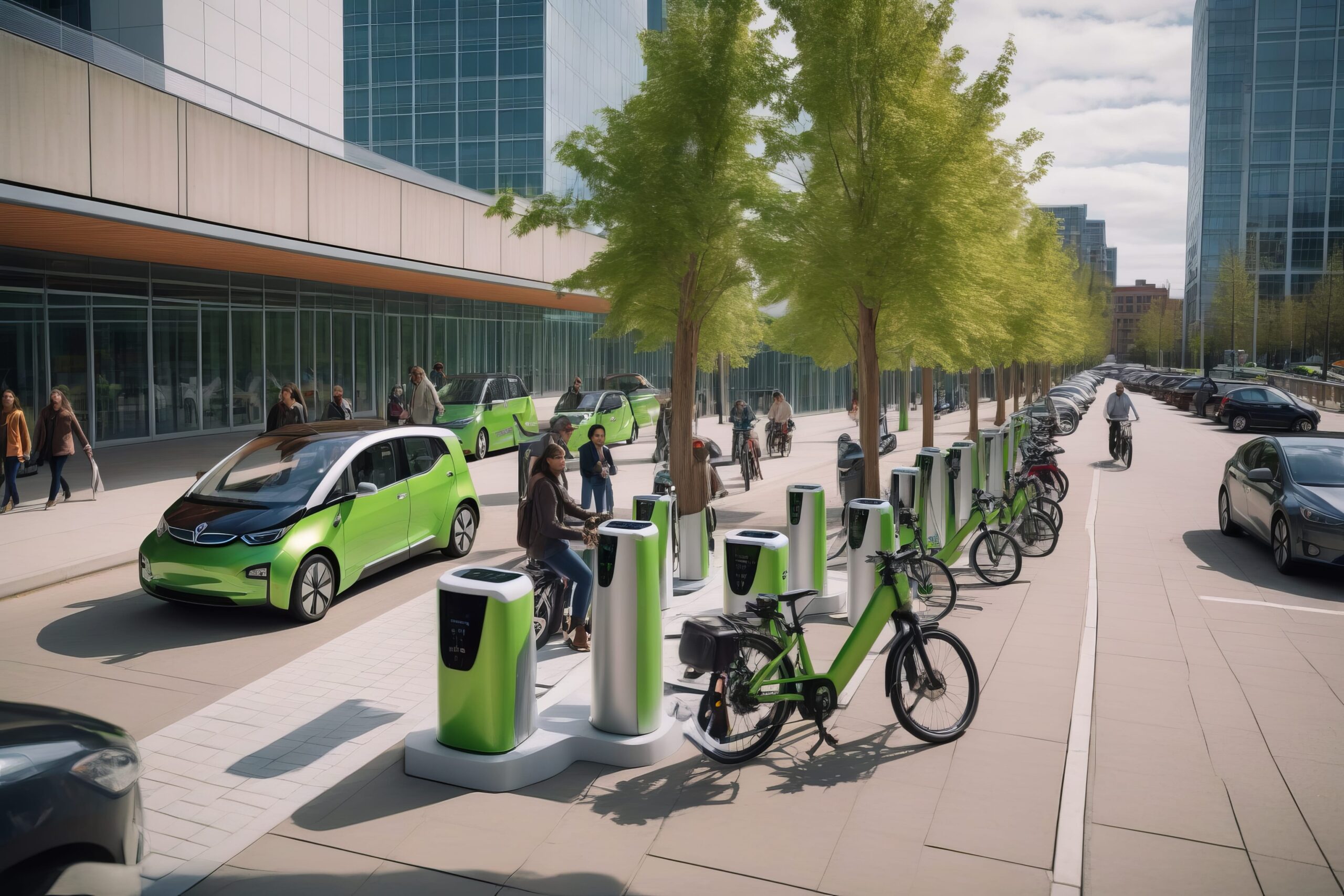
The Faster Adoption and Manufacturing of Hybrid and Electric Vehicles (FAME) scheme is one of the most significant initiatives promoting EV adoption. Now in its second phase, FAME-II offers subsidies for electric two-wheelers, three-wheelers, and four-wheelers, along with incentives for setting up EV charging infrastructure across the country.
Production-Linked Incentive (PLI) for EV Components
To boost domestic manufacturing of EV components and reduce import dependence, the government launched the PLI scheme. This policy supports local manufacturers of batteries, electric motors, and power electronics, ensuring India becomes a global hub for EV production while generating employment opportunities.
State-Level EV Policies: Decentralized Push
Several states, including Delhi, Maharashtra, and Tamil Nadu, have introduced their own EV policies with benefits like road tax exemptions, registration fee waivers, and incentives for fleet operators. These localized measures complement national policies, creating an ecosystem that supports sustainable urban mobility.
Conclusion
Government policies are the backbone of India’s transition to sustainable mobility. By combining incentives for consumers, manufacturers, and infrastructure developers, these initiatives aim to make electric and alternative fuel vehicles mainstream. As India moves towards its ambitious goal of achieving net-zero emissions by 2070, supportive policies will remain a key driver of change.
Share this content:

Post Comment