Government Plans to Expand EV Charging Networks in India
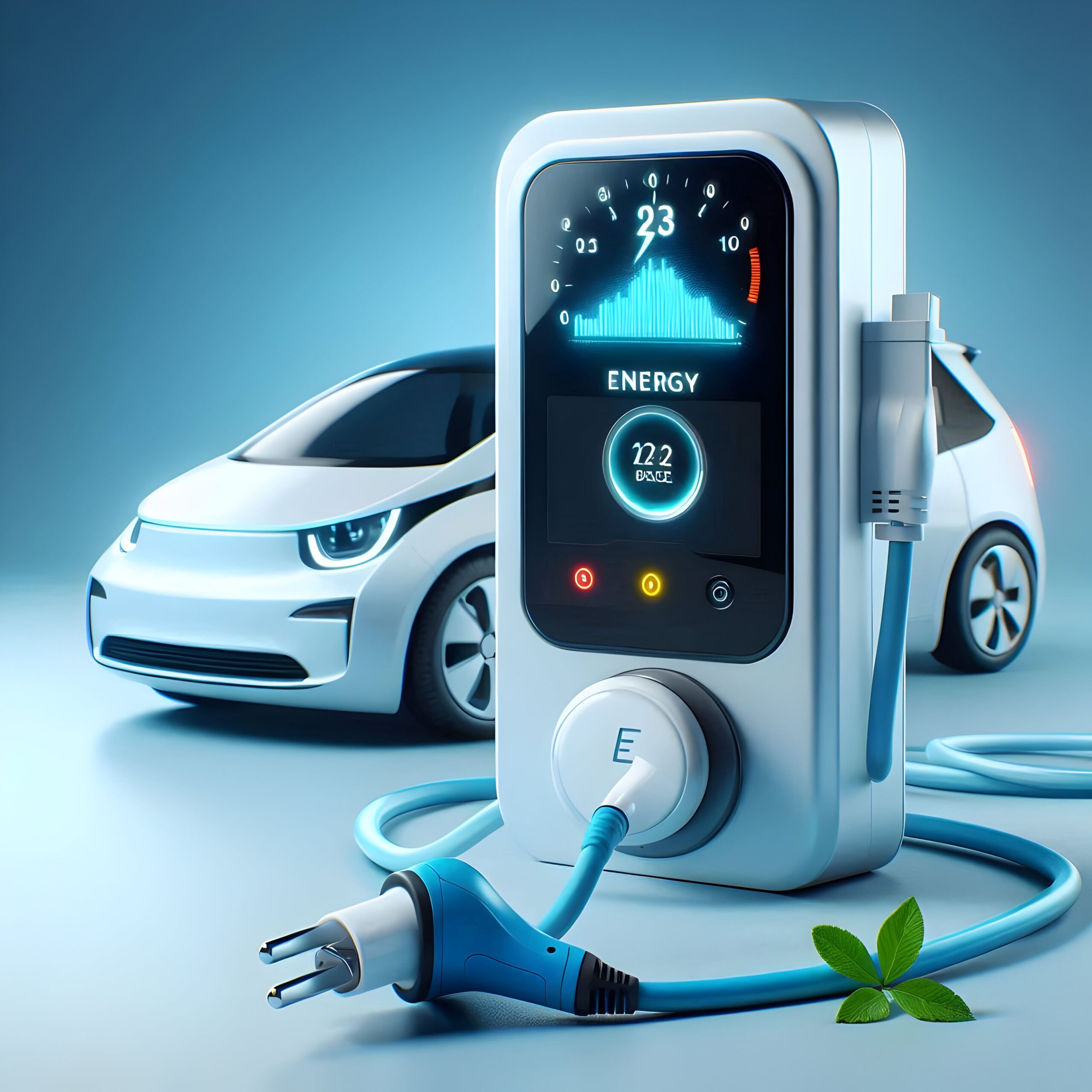
India’s electric vehicle (EV) adoption is accelerating, and the government recognises that a robust charging network is critical to sustaining this momentum. To support this transition, central and state governments are rolling out policies, subsidies and partnerships aimed at dramatically expanding EV charging infrastructure across the country.
National-Level Initiatives for Charging Infrastructure
The Ministry of Heavy Industries under the FAME-II scheme has sanctioned thousands of public charging stations across highways and cities. The Bureau of Energy Efficiency (BEE) has also been tasked with creating a national framework for charging standards and interoperability. These initiatives focus on fast-charging corridors on major highways, metro cities and emerging EV hubs to reduce range anxiety for individual and fleet owners.
State Policies and Incentives for Private Investment
Several states, including Maharashtra, Delhi, Tamil Nadu and Telangana, have announced dedicated EV policies offering subsidies, concessional electricity tariffs and land to private players for setting up charging stations. Many states are also encouraging battery-swapping infrastructure for two- and three-wheelers to complement fixed charging stations. This multi-pronged approach is expected to attract significant private and foreign investment into India’s EV charging sector.
Public-Private Partnerships and Urban Planning
The government is actively promoting public-private partnerships (PPPs) to speed up deployment. Oil marketing companies, metro corporations, and municipal bodies are collaborating with charging network operators to install stations at petrol pumps, parking lots, bus depots and residential complexes. Urban local bodies are also integrating EV-ready provisions into building codes to ensure new commercial and residential projects include charging points.
Conclusion
With coordinated national policies, state-level incentives and public-private partnerships, India is laying the foundation for a dense and reliable EV charging network. These efforts are not only reducing barriers to EV adoption but also creating new business opportunities in the energy and mobility sectors. As charging infrastructure expands, India’s electric vehicle ecosystem will become more convenient, accessible and sustainable for all.
Share this content:

Post Comment