Government Initiatives Promoting Sustainable Mobility in India
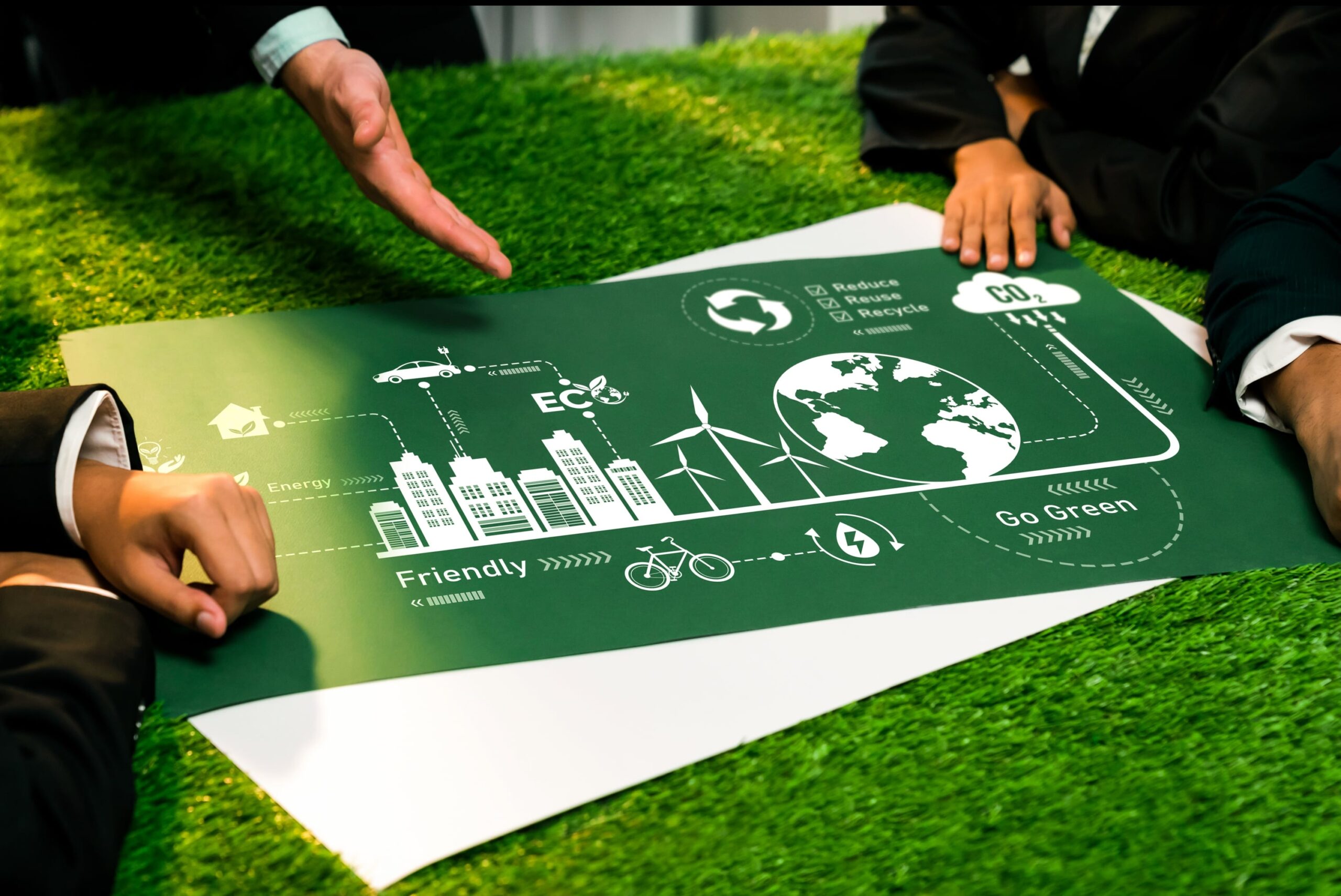
India is rapidly embracing sustainable mobility to address urban congestion, reduce carbon emissions, and create a cleaner transportation ecosystem. Recognizing the urgency of climate change and rising fuel demand, the Indian government has launched several forward-thinking policies and initiatives aimed at promoting electric vehicles (EVs), public transport modernization, and green fuel alternatives.
National Electric Mobility Mission Plan (NEMMP)
Launched in 2013, the National Electric Mobility Mission Plan (NEMMP) aims to achieve national fuel security by encouraging electric vehicle adoption. It provides a framework for EV development through research, manufacturing incentives, and infrastructure support. The mission targets millions of electric vehicles on the road, significantly reducing dependence on fossil fuels and greenhouse gas emissions.
FAME I & II: Accelerating EV Adoption
The Faster Adoption and Manufacturing of Hybrid and Electric Vehicles (FAME) scheme is a key pillar of India’s sustainable transport strategy. FAME I started in 2015 and was followed by FAME II in 2019. The second phase focuses on demand incentives, development of charging infrastructure, and electrification of public and shared transport systems like buses and three-wheelers. These programs have played a major role in increasing EV penetration in India.
Smart Cities Mission & Urban Mobility Reforms
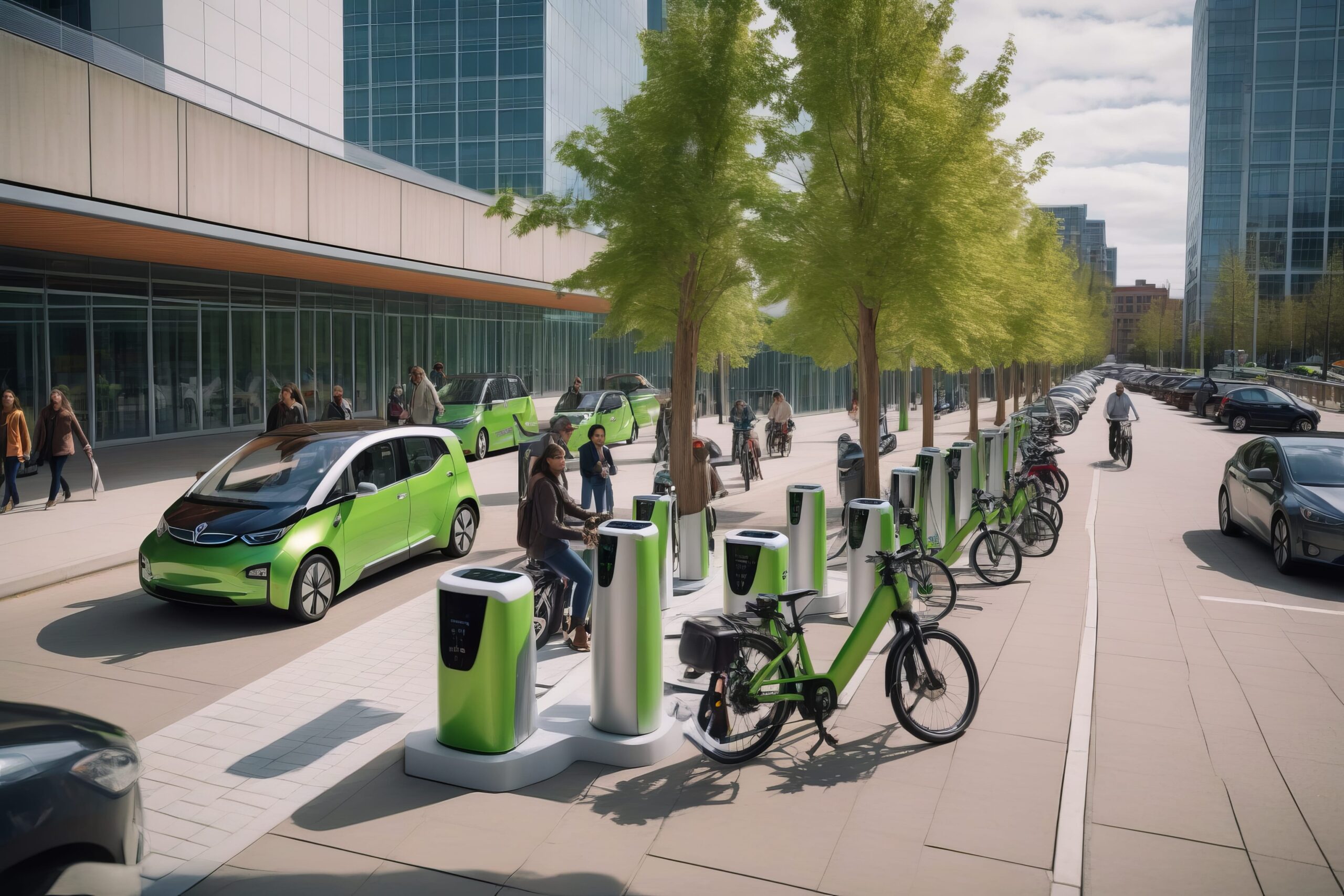
Under the Smart Cities Mission, over 100 cities are integrating sustainable mobility solutions into their infrastructure plans. This includes initiatives like dedicated cycling lanes, electric buses, smart traffic systems, and multimodal transport integration. Urban mobility reforms are being implemented to reduce vehicle congestion and promote environment-friendly public transportation options.
Conclusion: Paving the Way for Greener Transportation
India’s government-led initiatives are creating a solid foundation for sustainable mobility. By promoting electric vehicles, green fuels, and intelligent public transport systems, the country is taking bold steps toward a more environmentally responsible future. Continued investment, awareness, and public-private collaboration will be essential to ensure long-term success in building a cleaner and smarter transportation network.
Share this content:
Post Comment