Fast-Charging Networks: Policies That Accelerate EV Adoption
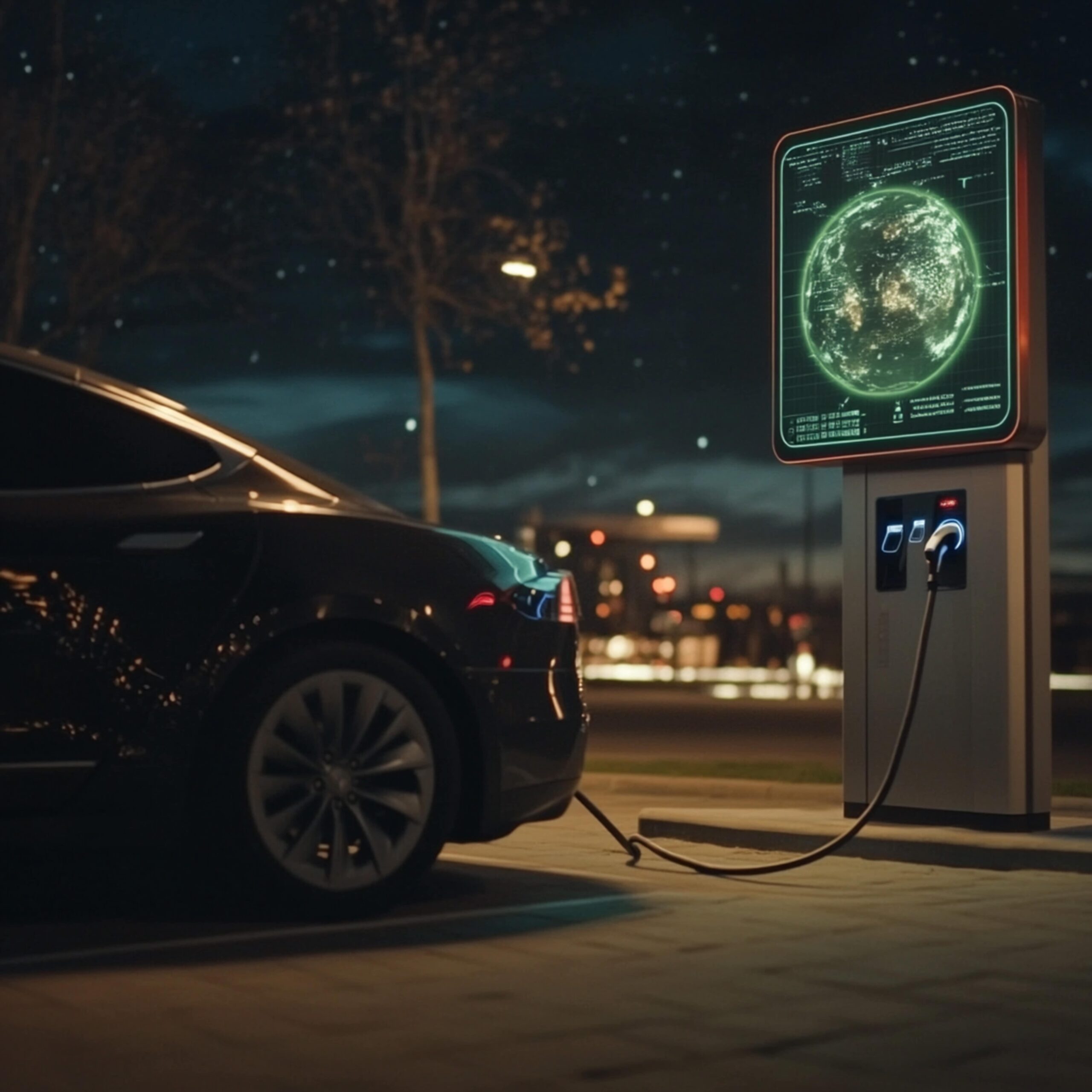
The transition to electric mobility depends not only on the availability of EVs but also on the accessibility of fast-charging infrastructure. Governments worldwide are recognizing that effective policies are critical to expand charging networks, reduce range anxiety, and encourage consumer adoption. By combining regulatory support, incentives, and strategic planning, policymakers are enabling a faster shift toward sustainable transportation.
Strategic Incentives for Infrastructure Development
Policies that provide financial support, subsidies, and tax benefits for charging station installation encourage private companies to invest in EV infrastructure. Incentives such as reduced land lease costs, grants for renewable energy integration, and favorable loan terms make it economically viable to build fast-charging networks. These measures ensure rapid deployment, especially in urban centers and along highways, where charging demand is highest.
Standardization and Technological Integration
Governments play a key role in setting technical standards for chargers, connectors, and payment systems. Standardization ensures compatibility across different EV models and facilitates interoperability between networks. Policies encouraging smart grid integration, renewable energy use, and energy storage solutions make fast-charging stations more efficient, sustainable, and reliable. This reduces operational bottlenecks and increases consumer confidence in EV adoption.
Promoting Public-Private Partnerships
Public-private partnerships (PPPs) are increasingly used to expand fast-charging networks. Policies that define clear regulatory frameworks, safety standards, and operational guidelines help private players enter the market with confidence. By combining government support with private sector efficiency and innovation, PPPs accelerate the creation of a robust charging ecosystem, making EVs a practical choice for daily commuting and long-distance travel.
Conclusion
Policies focused on fast-charging networks are central to accelerating EV adoption. Through strategic incentives, standardization, and public-private collaboration, governments are creating the conditions for a reliable, widespread, and sustainable charging infrastructure. As these measures expand, they will continue to reduce barriers for EV owners and drive the transition toward cleaner, greener mobility.
Share this content:


Post Comment