Fast Charging Batteries: Innovations and Challenges
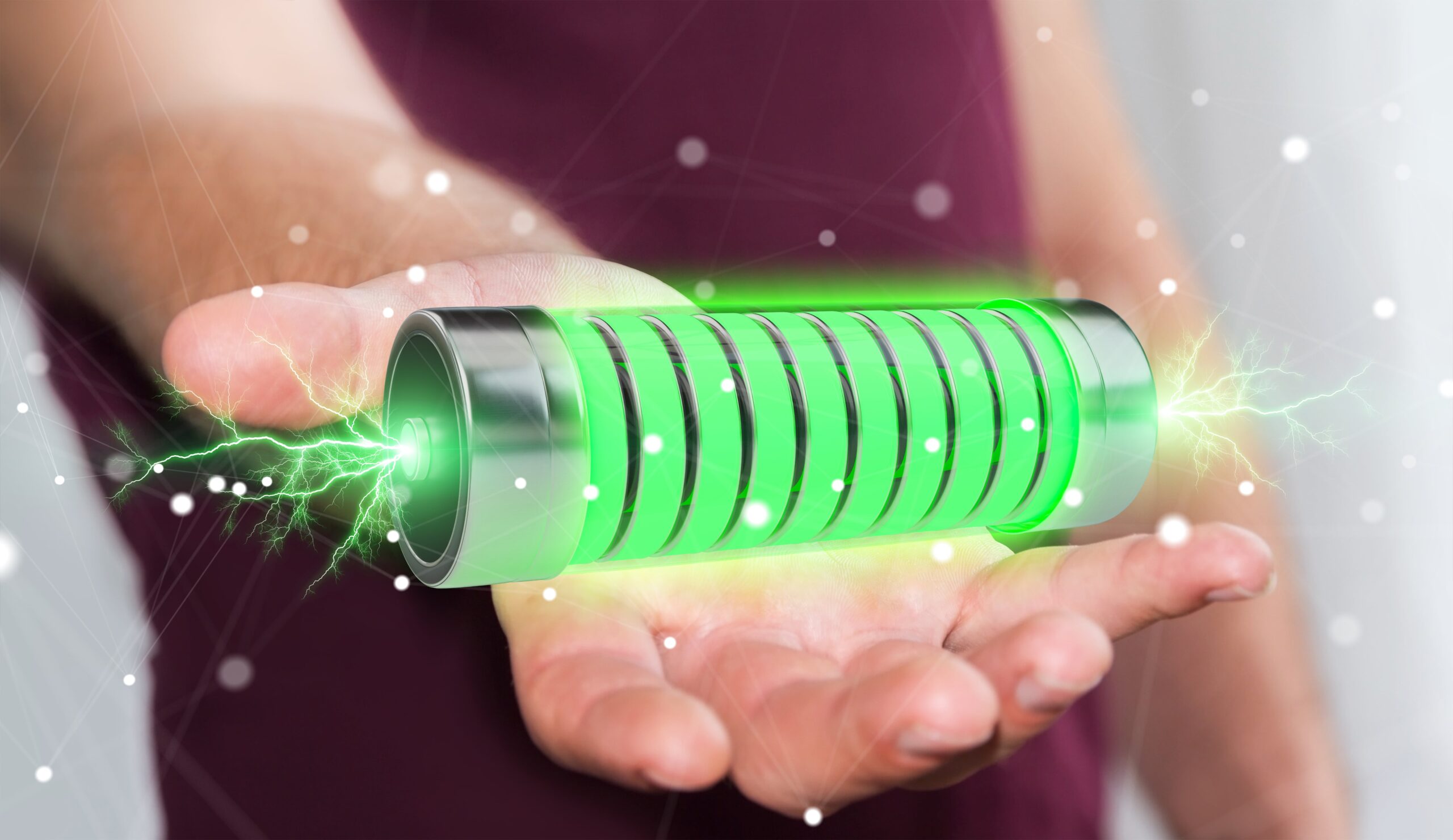
As electric vehicles become more mainstream, reducing charging time has emerged as a key factor in enhancing user convenience. Fast charging batteries promise to significantly cut downtime, making EVs more practical for daily use. However, this technology comes with both exciting innovations and notable challenges that the industry continues to address.
Innovations Driving Faster Charging
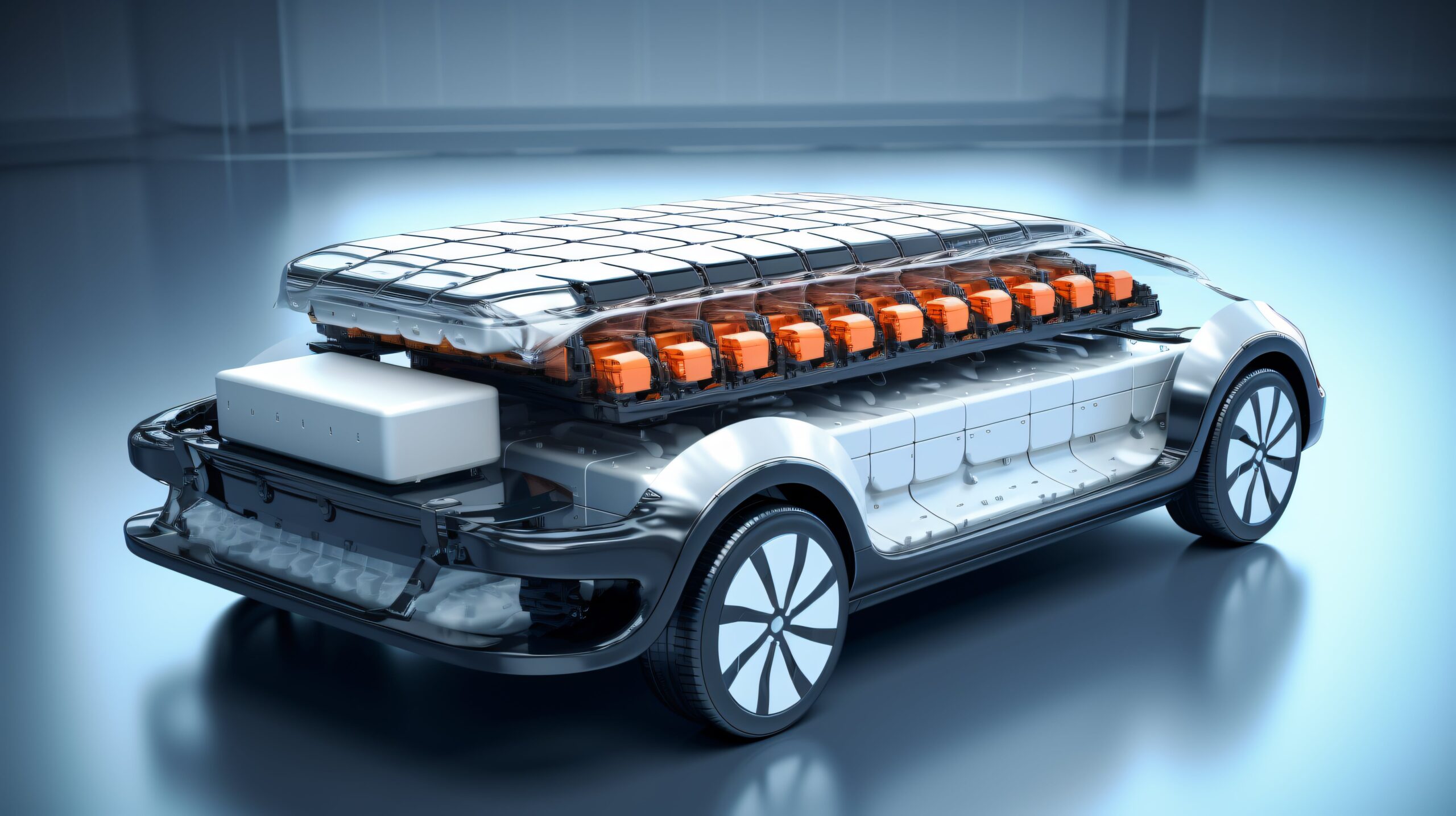
Recent advancements in battery chemistry and design have enabled significantly higher charging rates. Improved electrode materials, advanced electrolytes, and optimized battery architectures allow energy to flow more efficiently, reducing the time required to recharge. Combined with sophisticated battery management systems, these innovations enable EVs to reach 80 percent charge in a fraction of the time it took just a few years ago, bringing EV refueling closer to the convenience of traditional fuel stations.
Managing Heat and Ensuring Safety
Fast charging generates significant heat, which can affect battery life and even create safety risks if not properly managed. Thermal management systems are therefore essential in dissipating excess heat and maintaining stable operating temperatures. Engineers are designing cooling systems, optimized charging protocols, and temperature-sensitive control mechanisms to ensure that rapid charging does not compromise safety or accelerate battery degradation.
Balancing Speed, Longevity, and Cost
While fast charging is convenient, it also poses challenges related to battery longevity and cost. Higher charging rates can stress battery cells, potentially reducing overall lifespan. Additionally, building the infrastructure to support ultra-fast charging stations requires significant investment. Striking a balance between rapid energy delivery, durability, and affordability remains a primary challenge for manufacturers and policymakers alike.
Conclusion
Fast charging batteries represent a pivotal advancement in making electric vehicles more convenient and practical. Innovations in materials, design, and thermal management are helping reduce charging times without compromising safety. Yet, challenges remain in balancing speed, cost, and longevity. As technology continues to evolve, fast charging solutions are expected to become more efficient, reliable, and accessible, accelerating the adoption of electric mobility worldwide.
Share this content:
Post Comment