EVs vs. Traditional Vehicles: Environmental Impact Comparison
Emissions and Air Quality
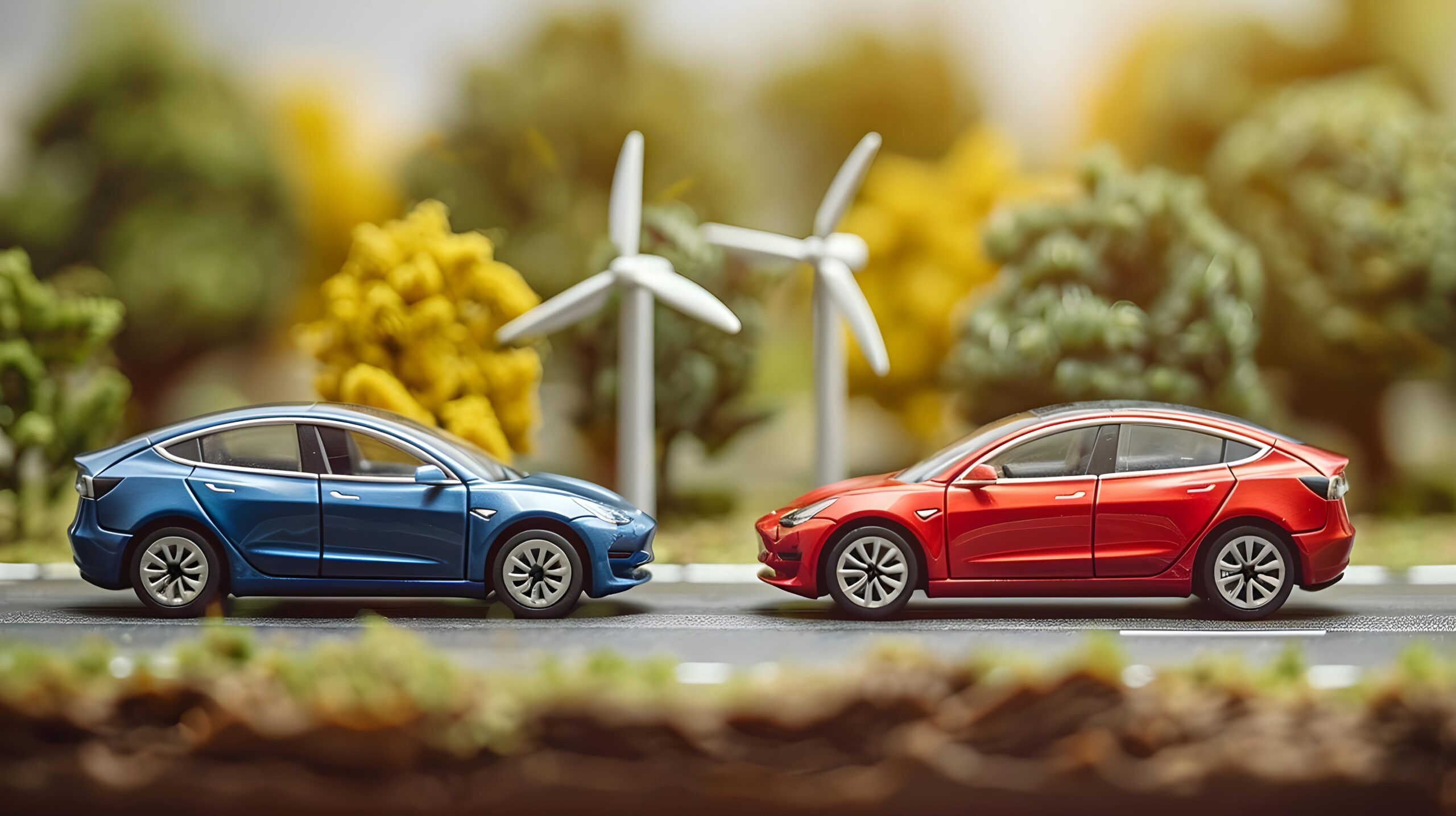
Electric Vehicles (EVs) produce zero tailpipe emissions, making them far cleaner during use compared to petrol or diesel vehicles. Traditional vehicles emit CO₂, NOx, and particulate matter, contributing heavily to air pollution and climate change. In contrast, EVs help reduce greenhouse gas emissions, especially when charged using renewable energy sources like solar or wind power.
Energy Efficiency and Resource Use
EVs convert over 85% of electrical energy from the grid to power at the wheels, while internal combustion engine (ICE) vehicles are only around 25–30% efficient. However, EV production—especially batteries—requires materials like lithium, cobalt, and nickel, which have their own environmental costs. That said, ongoing advances in battery recycling and sustainable sourcing are helping reduce the long-term impact.
Lifecycle Environmental Footprint
Over their entire lifespan, EVs tend to have a lower carbon footprint than traditional vehicles—even when accounting for manufacturing and electricity generation. As India’s energy grid becomes greener, this advantage will grow. Additionally, EVs require less maintenance and fewer consumables (like oil and filters), further reducing their environmental impact.
Conclusion
While both EVs and traditional vehicles have environmental costs, EVs offer a significantly cleaner and more energy-efficient alternative—especially in the long run. As battery technology and India’s renewable energy capacity improve, the environmental benefits of EVs will only increase, making them a vital part of a sustainable transportation future.
Share this content:
Post Comment