EV Parking Policies in Urban India: Catalyst or Roadblock?
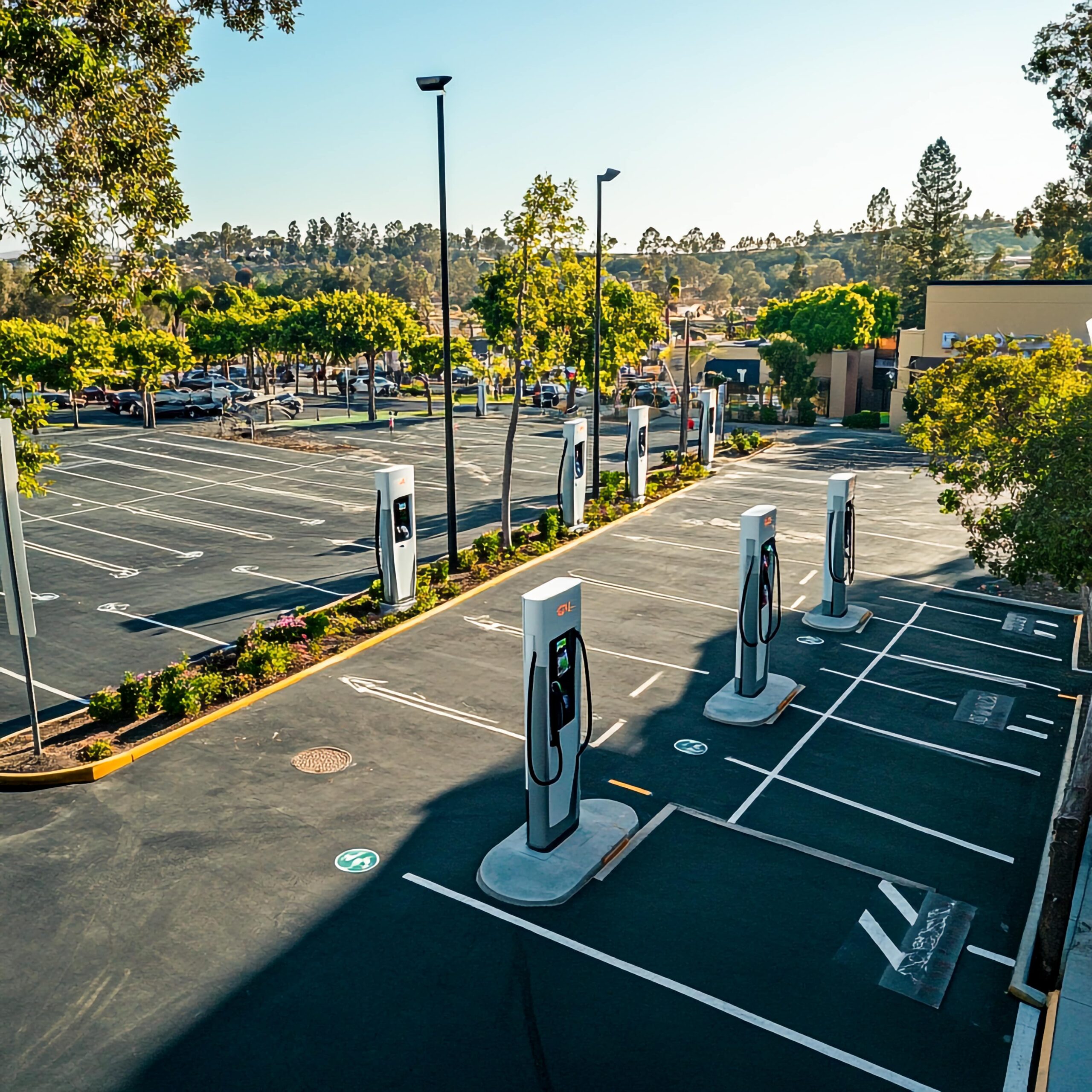
India is embracing the electric mobility revolution at an unprecedented pace. With government incentives, rising fuel costs, and growing environmental awareness, EV adoption is accelerating across urban centers. However, one critical question remains unanswered: Are our parking policies driving this change or slowing it down?
Why Parking Infrastructure is the Backbone of EV Growth
EV adoption is not just about buying vehicles; it’s about ensuring seamless charging and convenient parking. In densely populated cities, the lack of dedicated EV parking spots creates a significant barrier. A well-structured parking policy can solve two major issues—space allocation and integrated charging facilities. Without this, even the most attractive subsidies and technological advancements fall short of encouraging mass adoption.
Where Do Current Policies Stand? The Progress and the Pitfalls
Several urban local bodies have taken commendable steps. For example, Delhi’s EV Policy mandates 20% parking space in new constructions to be EV-ready, and Bengaluru has similar provisions for commercial complexes. While these initiatives look promising on paper, their implementation often faces delays, poor monitoring, and resistance from property developers. Furthermore, retrofitting existing structures remains a costly and complex challenge, leaving thousands of EV owners struggling for reliable charging options.
Real-World Challenges EV Owners Face in Cities
Urban congestion, unplanned real estate development, and high parking tariffs make the situation worse for EV users. Many owners report difficulties finding charging points within residential societies and public parking areas. Street charging is still a grey zone with no clear regulations, making it risky and inconvenient. Moreover, businesses lack strong incentives to set up EV-ready parking infrastructure, resulting in an ecosystem that discourages potential buyers from switching to electric mobility.
Conclusion: Turning Parking Policies into Growth Enablers
If India aims to achieve its ambitious EV targets, parking policies cannot remain an afterthought. They must become the backbone of urban EV planning. This means strict enforcement of EV-ready building codes, incentivizing private players to install chargers, and introducing smart solutions like shared EV charging hubs in public spaces. By transforming parking from a barrier into an enabler, cities can lead the way toward a cleaner, greener future.
Share this content:


Post Comment