EV Integration in Smart Cities: Reducing Traffic and Pollution
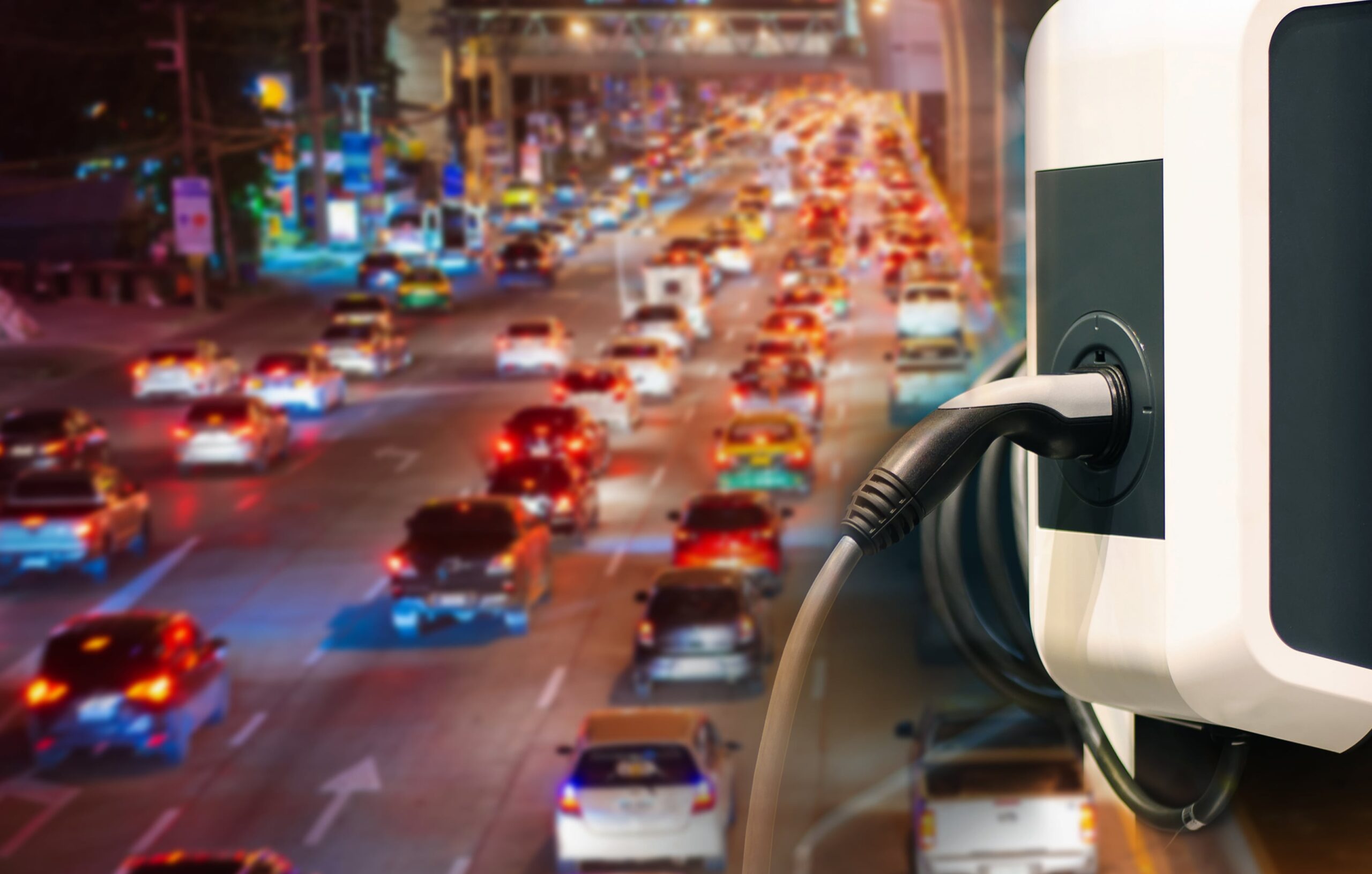
As urbanization accelerates, cities around the world are struggling with two major challenges—traffic congestion and air pollution. The integration of electric vehicles (EVs) within smart city frameworks is emerging as a powerful solution to address these problems. Through technology-driven planning, data-based mobility management, and sustainable energy systems, EV integration in smart cities is helping reshape urban mobility for a cleaner, smarter future.
Building Smart Infrastructure for Efficient EV Mobility
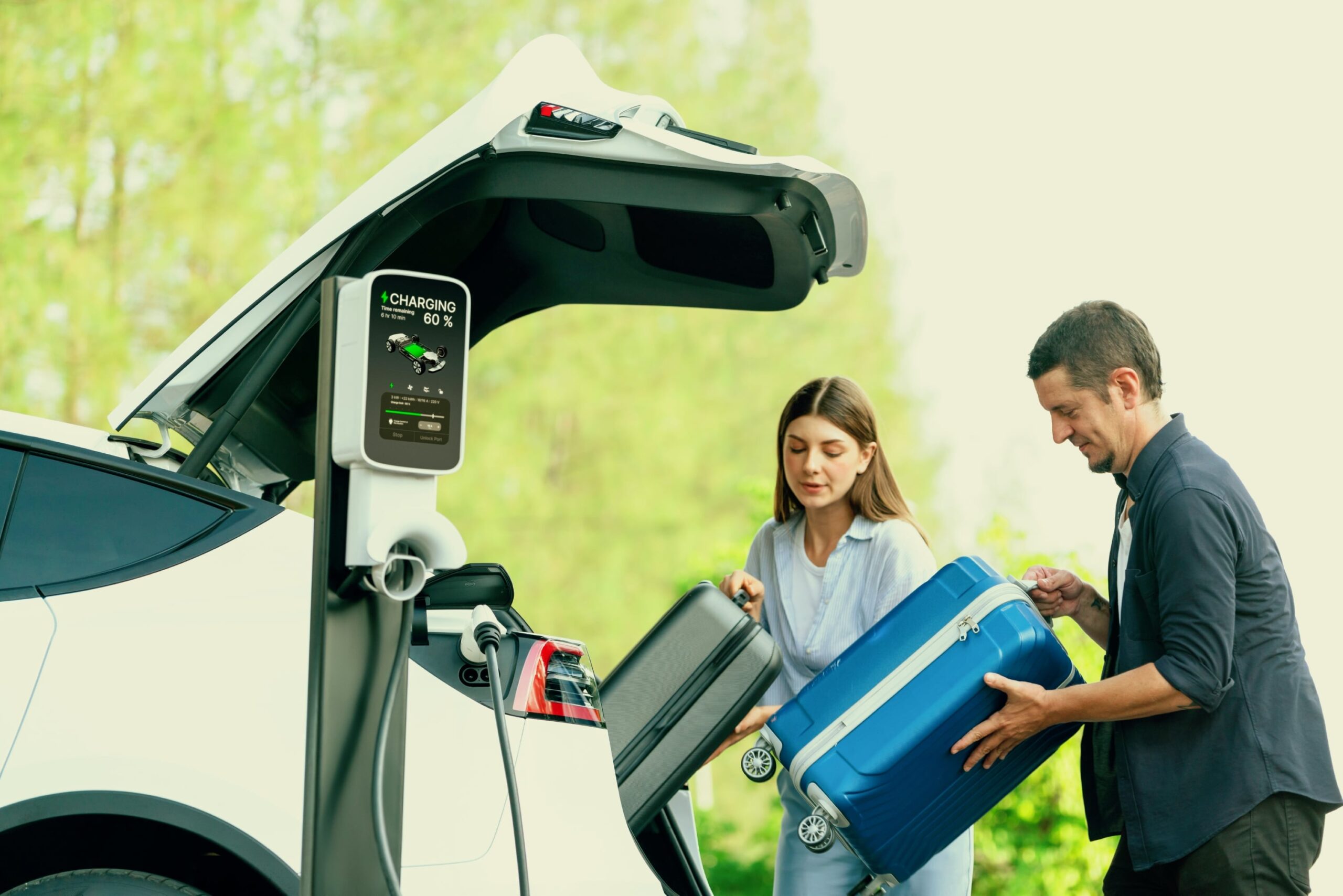
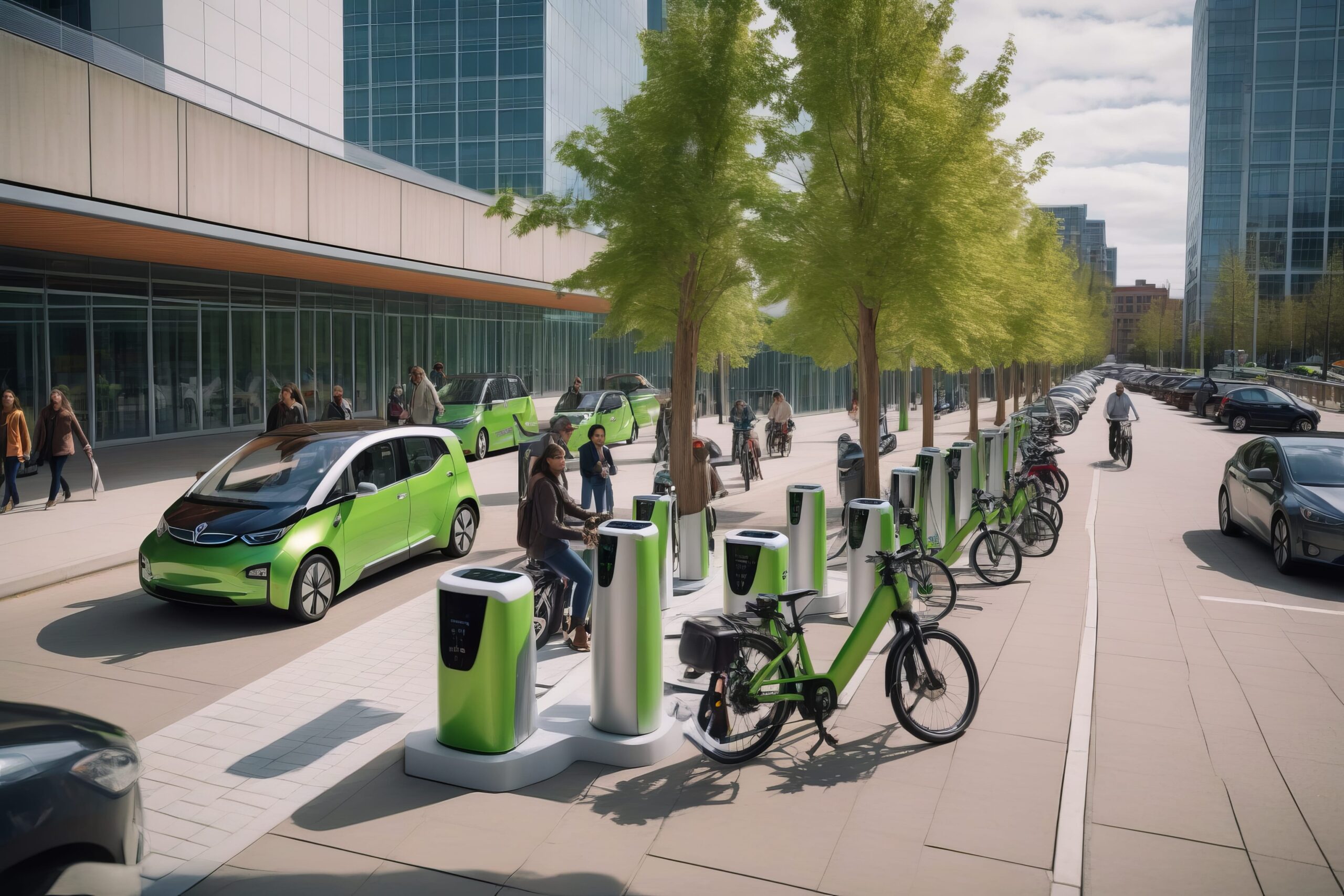
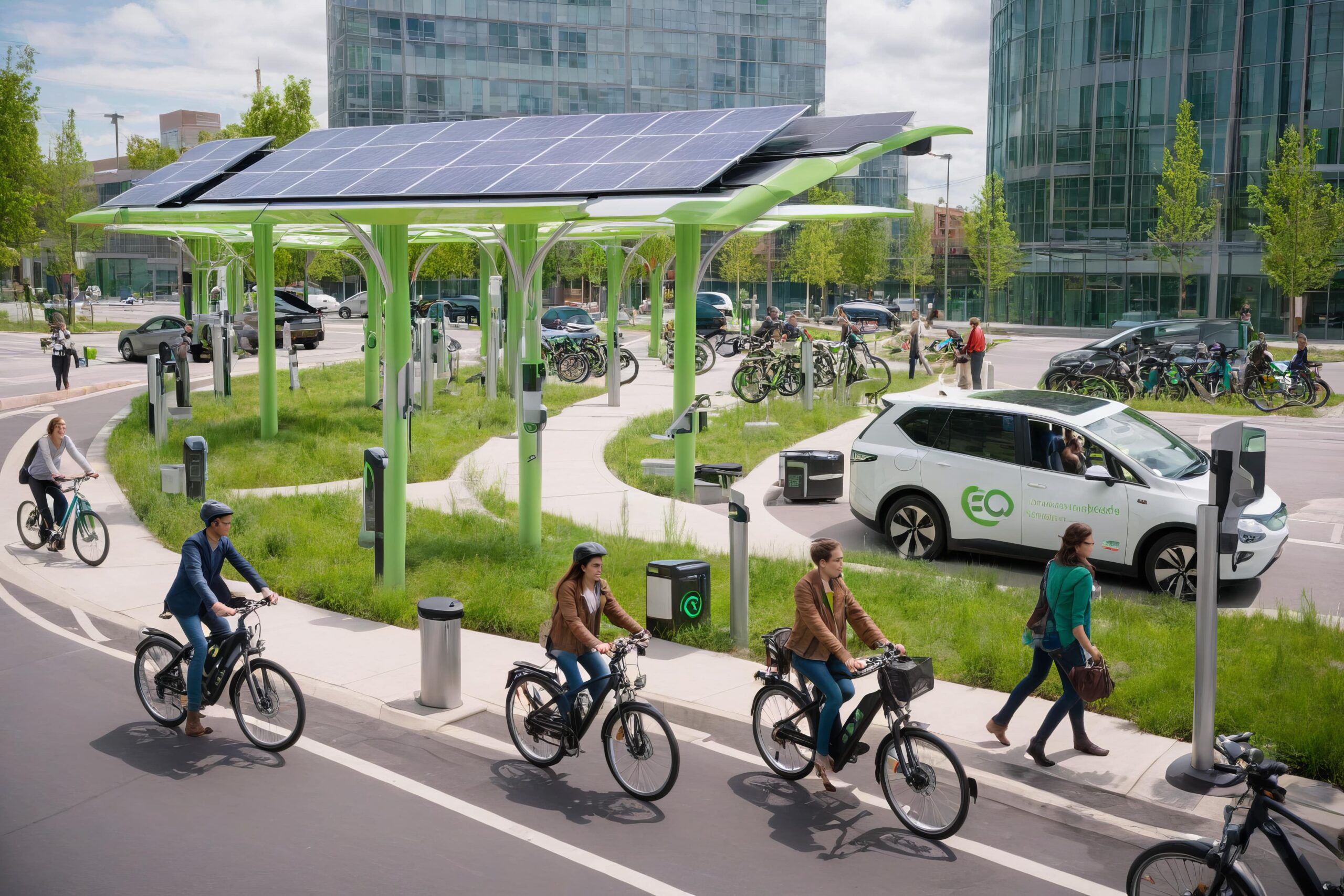
The foundation of EV integration in smart cities lies in intelligent infrastructure. Smart charging networks equipped with real-time data systems allow vehicles to charge efficiently without overloading the grid. IoT-enabled charging stations can communicate with vehicles and city systems to optimize energy use and balance supply and demand. Additionally, integrating EVs with renewable energy sources like solar or wind ensures that urban transport becomes not only electric but truly sustainable.
Reducing Traffic Congestion Through Connected Mobility
One of the most significant benefits of EV integration in smart cities is the ability to manage traffic intelligently. Connected EVs can communicate with each other and with traffic management systems using Vehicle-to-Everything (V2X) technology. This connectivity enables smoother traffic flow, reduces idle time, and minimizes congestion in busy zones. Electric public transport and shared EV fleets, coordinated through digital platforms, further optimize routes and reduce the total number of vehicles on the road—leading to fewer emissions and improved air quality.
Environmental and Economic Impact of EV Integration
Beyond mobility, EV integration in smart cities brings substantial environmental and economic advantages. The reduction in fossil fuel dependence lowers greenhouse gas emissions, while decreased noise pollution improves urban living conditions. Economically, smart EV systems attract green investments and create opportunities in charging infrastructure, renewable energy, and data-driven mobility services. These benefits together contribute to a circular and sustainable urban economy.
Conclusion
EV integration in smart cities represents a critical step toward achieving sustainable urban development. By combining electric mobility with intelligent infrastructure, cities can effectively reduce traffic congestion and pollution while enhancing quality of life. As technology advances and policy support grows, EVs will become the backbone of smart, connected, and environmentally responsible cities of the future.
Share this content:
Post Comment