EV Charging Station Policy: Guidelines for Setup & Incentives

The accelerating adoption of electric vehicles (EVs) in India has made the development of a robust charging infrastructure a national priority. To encourage investments and ensure a smooth rollout, government policies outline clear guidelines for setting up charging stations along with attractive incentives for operators and investors.
Guidelines for Setting Up EV Charging Stations
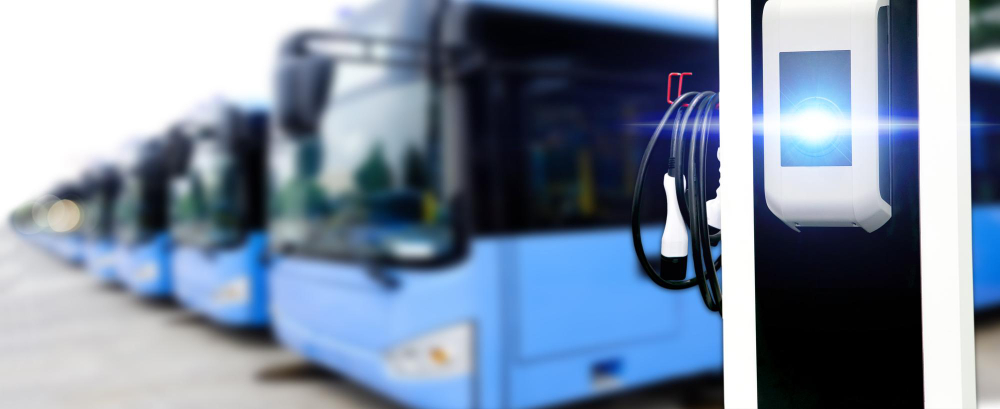
The Ministry of Power and other regulatory bodies have issued detailed technical and operational guidelines for public charging stations. These include compliance with safety standards, installation of both AC and DC fast chargers, and accessibility for all vehicle types. Additionally, stations must be strategically located along highways, urban areas, and commercial hubs to ensure ease of use for EV owners.
Incentives and Subsidies for Investors
To promote faster adoption, central and state governments are offering financial incentives such as capital subsidies, reduced electricity tariffs, and exemptions from certain licensing fees. Many states also provide land on lease at concessional rates, making it easier for private players to enter the EV charging market.
Policy Push for Renewable Integration
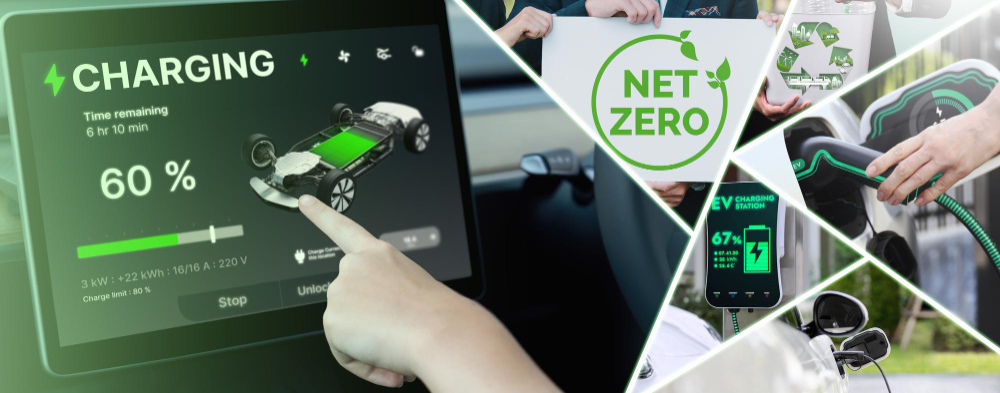
Policies encourage the use of renewable energy sources like solar and wind for powering charging stations. This not only reduces carbon emissions but also supports India’s broader clean energy goals. Some schemes even offer additional benefits for stations that integrate energy storage systems or smart charging technology.
Conclusion
Government policies on EV charging infrastructure are paving the way for a sustainable and investor-friendly ecosystem. By providing clear guidelines and attractive incentives, these initiatives aim to accelerate EV adoption while creating a green, future-ready transportation network.
Share this content:

Post Comment