Consumer Awareness and Adoption of Green Mobility

As India pushes toward a sustainable future, green mobility is emerging as a vital solution to combat urban pollution and reduce dependence on fossil fuels. While government policies and infrastructure development are crucial, consumer awareness and adoption play an equally important role in the success of eco-friendly transportation. Understanding what drives consumers to choose green mobility options helps accelerate the transition to cleaner and smarter transportation systems.
Rising Awareness About Sustainable Transportation
Public awareness of environmental issues and climate change has grown significantly in recent years. Consumers today are more conscious of their carbon footprint and are actively seeking greener alternatives. Campaigns by government bodies, environmental organizations, and industry stakeholders are educating people about the benefits of electric vehicles (EVs), shared mobility, and non-motorized transport. Social media and digital platforms have further amplified this message, making sustainable transport a mainstream conversation.
Factors Influencing Adoption of Green Mobility
While awareness is increasing, actual adoption depends on several factors. Affordability, availability of charging or refueling infrastructure, and ease of maintenance remain key considerations for consumers. Government incentives such as subsidies, reduced GST, and road tax exemptions make eco-friendly vehicles more appealing. Peer influence, brand reputation, and innovative financing options like leasing or pay-per-use models also encourage adoption. Addressing these factors effectively can turn interest into actual purchases and long-term usage.
Role of Businesses and Communities in Driving Change
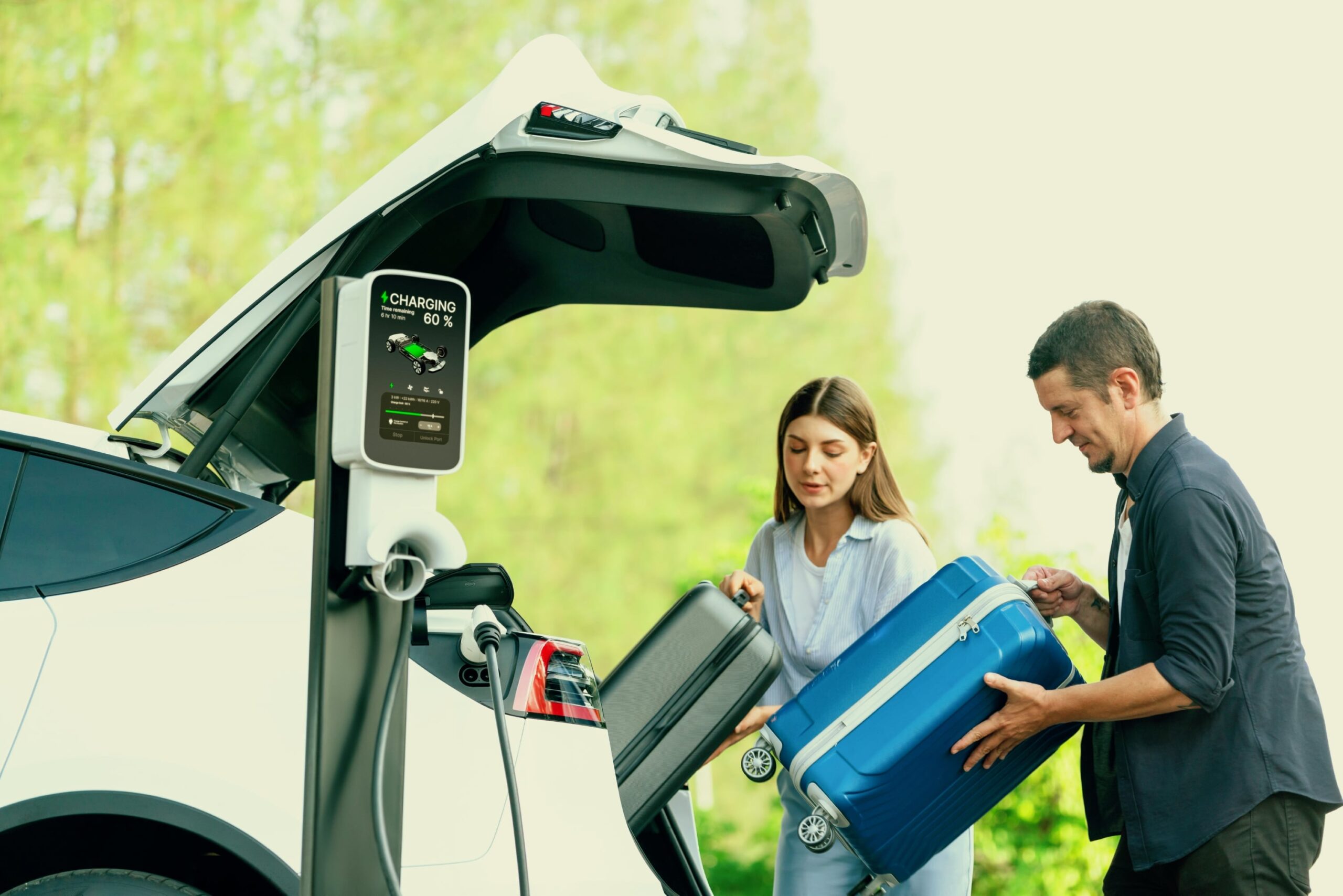
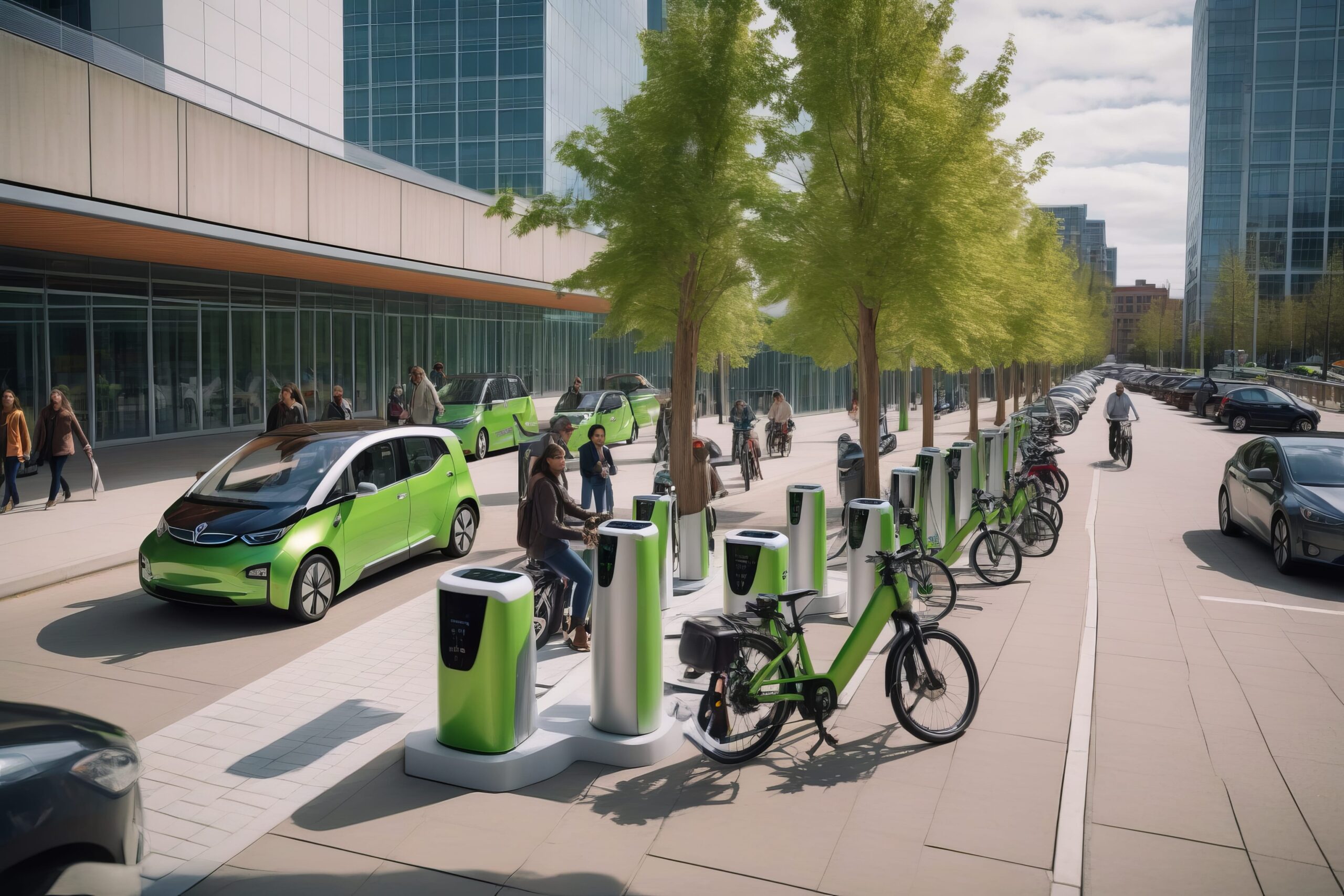
Businesses, fleet operators, and local communities play a significant role in boosting consumer confidence in green mobility. Corporates adopting electric fleets for deliveries or employee transport showcase the practicality of these solutions. Housing societies and workplaces installing charging stations make EV ownership easier for residents and employees. Community initiatives such as bike-sharing programs or electric rickshaw services further normalize eco-friendly travel and demonstrate its benefits at the grassroots level.
Conclusion
Consumer awareness and adoption of green mobility are critical to achieving India’s sustainability goals. While incentives and infrastructure provide the foundation, informed and engaged consumers are the driving force behind change. By combining education, affordability, and community initiatives, stakeholders can accelerate the shift to greener transportation, creating cleaner cities and a healthier environment for future generations.
Share this content:
Post Comment