Connected Vehicle Ecosystems: Future of Traffic Management

The rise of connected vehicle ecosystems is transforming how cities manage traffic, improve road safety, and enhance commuter experiences. By enabling vehicles, infrastructure, and communication networks to interact in real time, this technology lays the foundation for smarter and more efficient urban mobility systems.
Enhancing Real-Time Traffic Flow
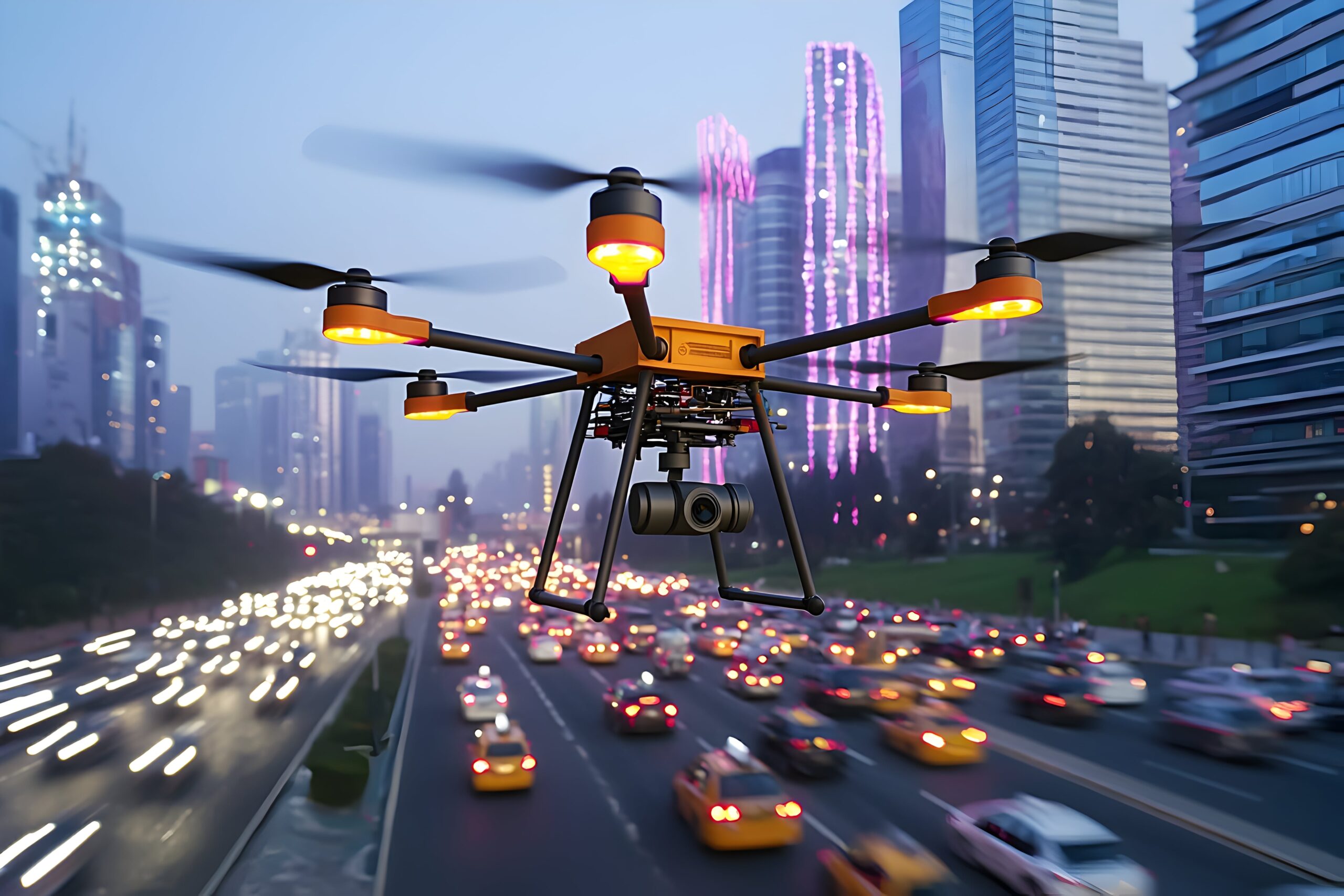
Connected vehicle ecosystems use advanced sensors, GPS, and vehicle-to-everything (V2X) communication to gather live data from roads and vehicles. This data allows traffic management systems to monitor congestion, detect incidents, and adjust signal timings instantly. As a result, traffic flow becomes smoother, delays are reduced, and emergency response times are significantly improved. Smart intersections powered by connected technology can also prioritize public transport or emergency vehicles, ensuring better overall traffic efficiency.
Improving Road Safety and Reducing Accidents
Safety is one of the biggest advantages of connected vehicle ecosystems. Vehicles can share information about road hazards, sudden braking, or adverse weather conditions with nearby cars and infrastructure. This predictive data exchange minimizes human error, prevents collisions, and enables advanced driver-assistance systems (ADAS) to function more effectively. As autonomous and semi-autonomous vehicles become more common, this ecosystem will play an essential role in creating safer roads for all.
Supporting Sustainable Urban Mobility
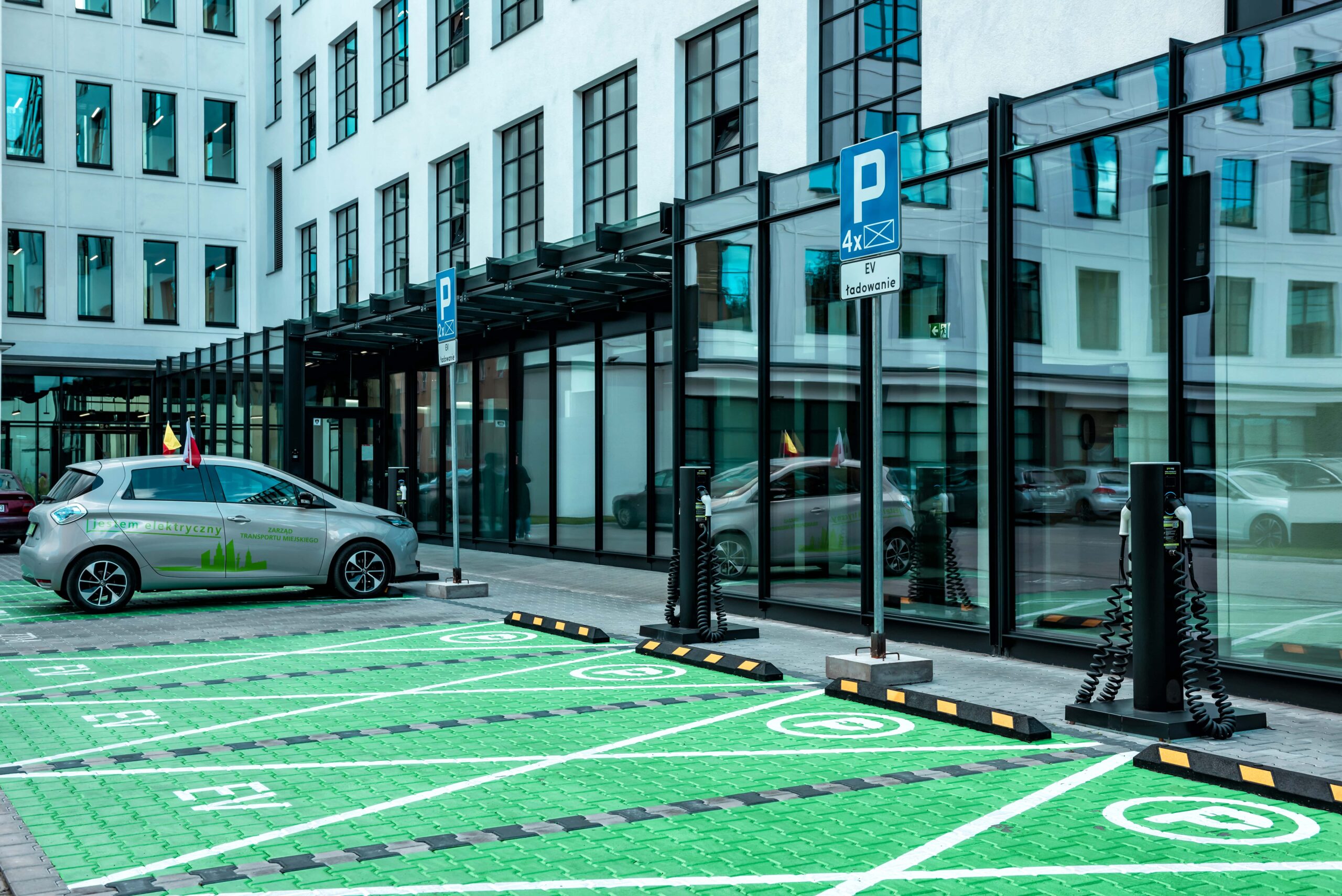
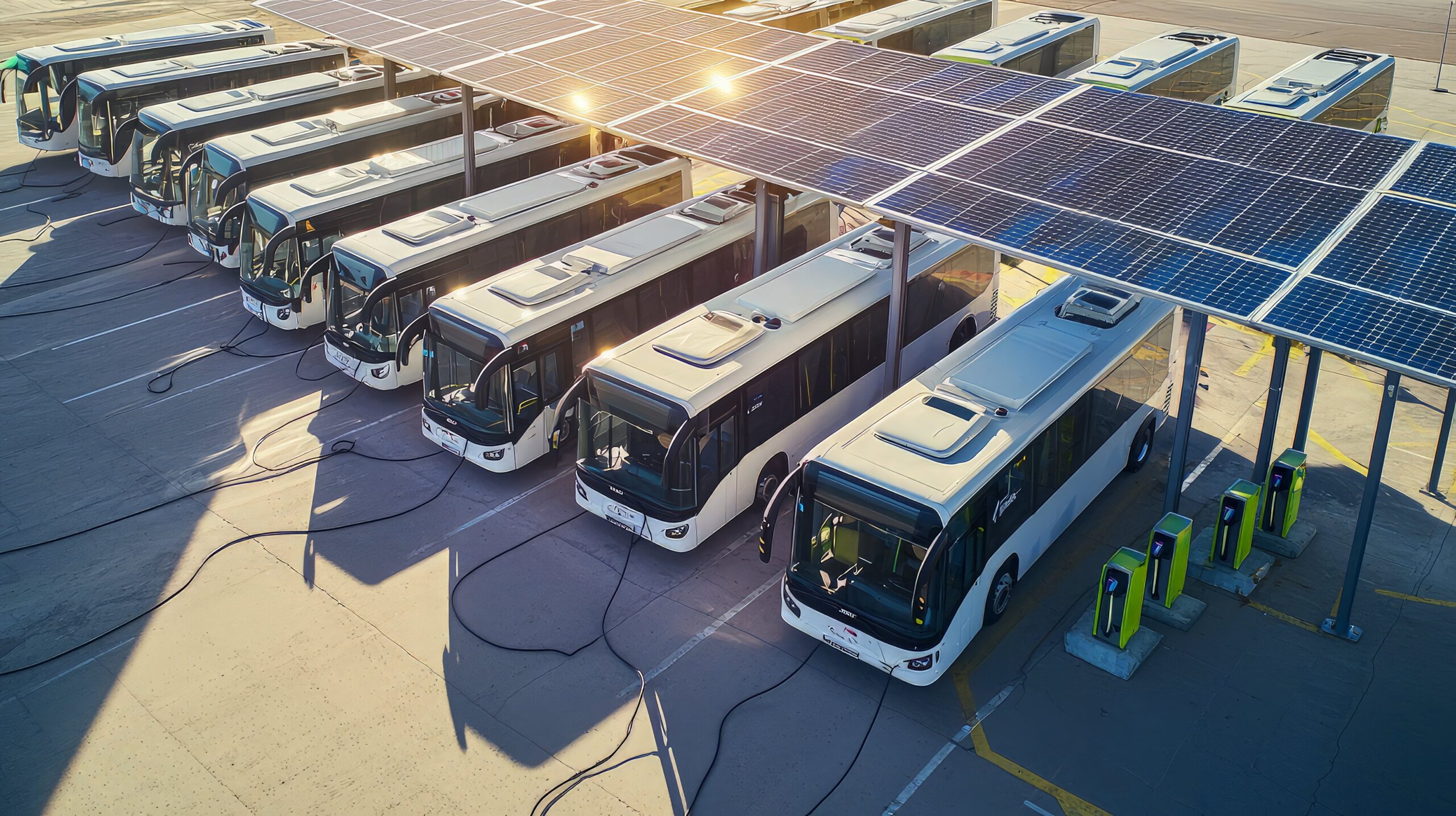
Connected vehicles also contribute to environmental sustainability. With real-time route optimization, vehicles can avoid traffic jams, lowering idle time and reducing fuel consumption. Moreover, when combined with electric vehicle (EV) technologies and smart charging infrastructure, connected ecosystems can promote eco-friendly transportation. Urban planners can analyze collected data to design greener cities and integrate public and private mobility services more effectively.
Conclusion
The future of traffic management lies in fully integrated connected vehicle ecosystems that combine artificial intelligence, data analytics, and IoT-based infrastructure. These systems will not only make transportation safer and more efficient but also help cities move toward a cleaner and smarter future. As technology continues to evolve, connected vehicles will redefine how people and goods move—marking a new era of intelligent, sustainable mobility.
Share this content:
Post Comment