Comparing EVs, Hybrids, and Hydrogen Cars: Which Is Greener?
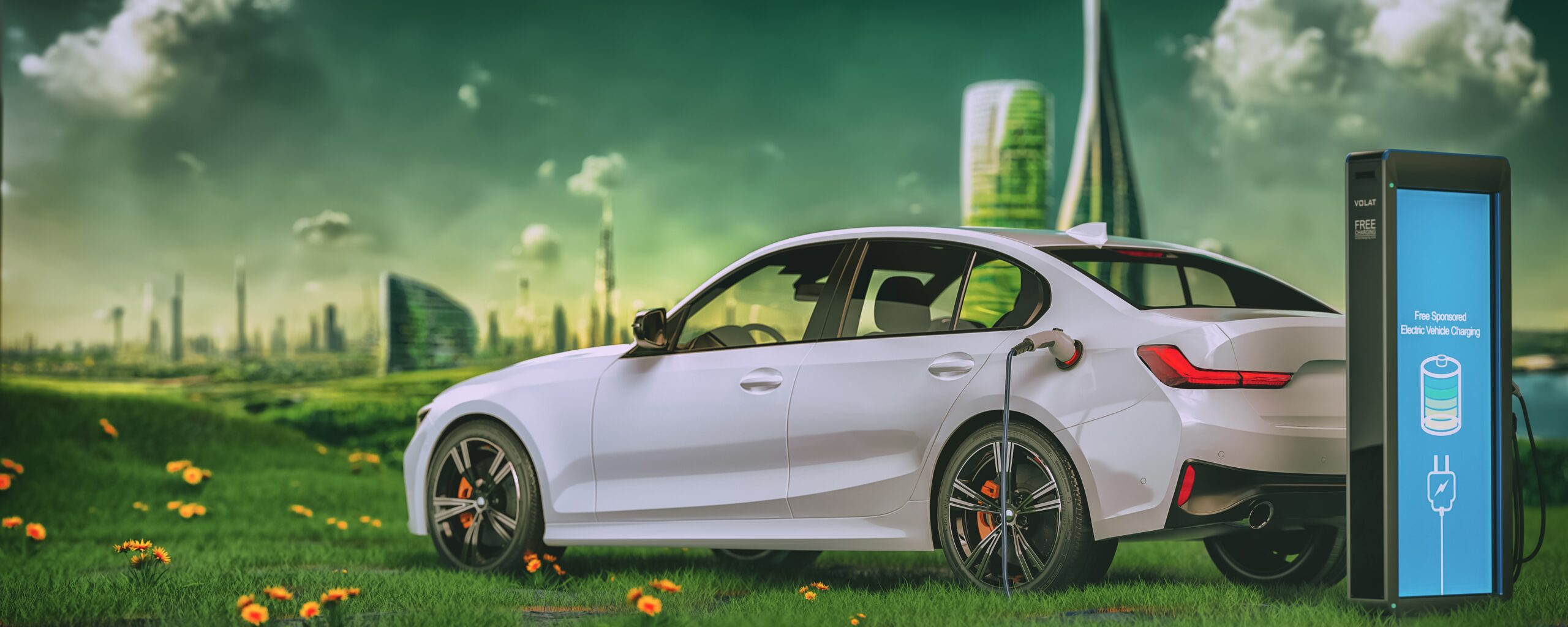
As the world moves toward sustainable mobility, the debate intensifies over which green vehicle technology leads the charge: Electric Vehicles (EVs), Hybrids, or Hydrogen Fuel Cell Cars. Each has its strengths, challenges, and environmental impact — and understanding these can help consumers and policymakers make better choices for the planet.
EVs: Zero Emissions with Clean Energy Potential
Battery Electric Vehicles (BEVs) are considered the greenest option when powered by renewable energy. They produce no tailpipe emissions and are significantly more efficient than combustion engines. However, EVs do come with concerns over battery production, which involves resource-intensive mining. The true environmental benefit of EVs improves as more countries transition to solar, wind, and hydropower to charge the grid.
Pros: Zero tailpipe emissions, low maintenance, lower running costs
Cons: Battery production impact, charging infrastructure dependence
Hybrids: A Transitional Technology
Hybrid vehicles combine a conventional internal combustion engine with an electric motor. While not emission-free, they offer better fuel efficiency and reduced carbon output compared to standard petrol or diesel cars. Hybrids are ideal for areas where EV infrastructure is lacking, but they still rely on fossil fuels, limiting their long-term sustainability.
Pros: Improved mileage, lower emissions than ICE cars, no range anxiety
Cons: Still reliant on fossil fuels, limited electric-only range
Hydrogen Cars: Clean but Complex
Hydrogen fuel cell vehicles emit only water vapor, making them an attractive green option. They also offer fast refueling and long range. However, hydrogen production is energy-intensive and currently dependent on natural gas. Infrastructure is another major barrier, with very few hydrogen refueling stations globally, particularly in developing countries.
Pros: Zero emissions, quick refueling, long range
Cons: Limited infrastructure, high production costs, energy inefficiency
Conclusion: The Greenest Vehicle Depends on Context
While EVs currently lead in real-world green performance, especially with clean energy charging, hydrogen cars offer a promising future with more investment and innovation. Hybrids serve as a practical bridge in regions where infrastructure is still growing. Ultimately, the “greenest” vehicle depends on local energy sources, driving needs, and infrastructure development. For now, a strong push toward renewable energy and EV adoption seems the most scalable and impactful solution.
Share this content:


Post Comment