AI and IoT in EVs: How Startups Are Building Smarter Vehicles
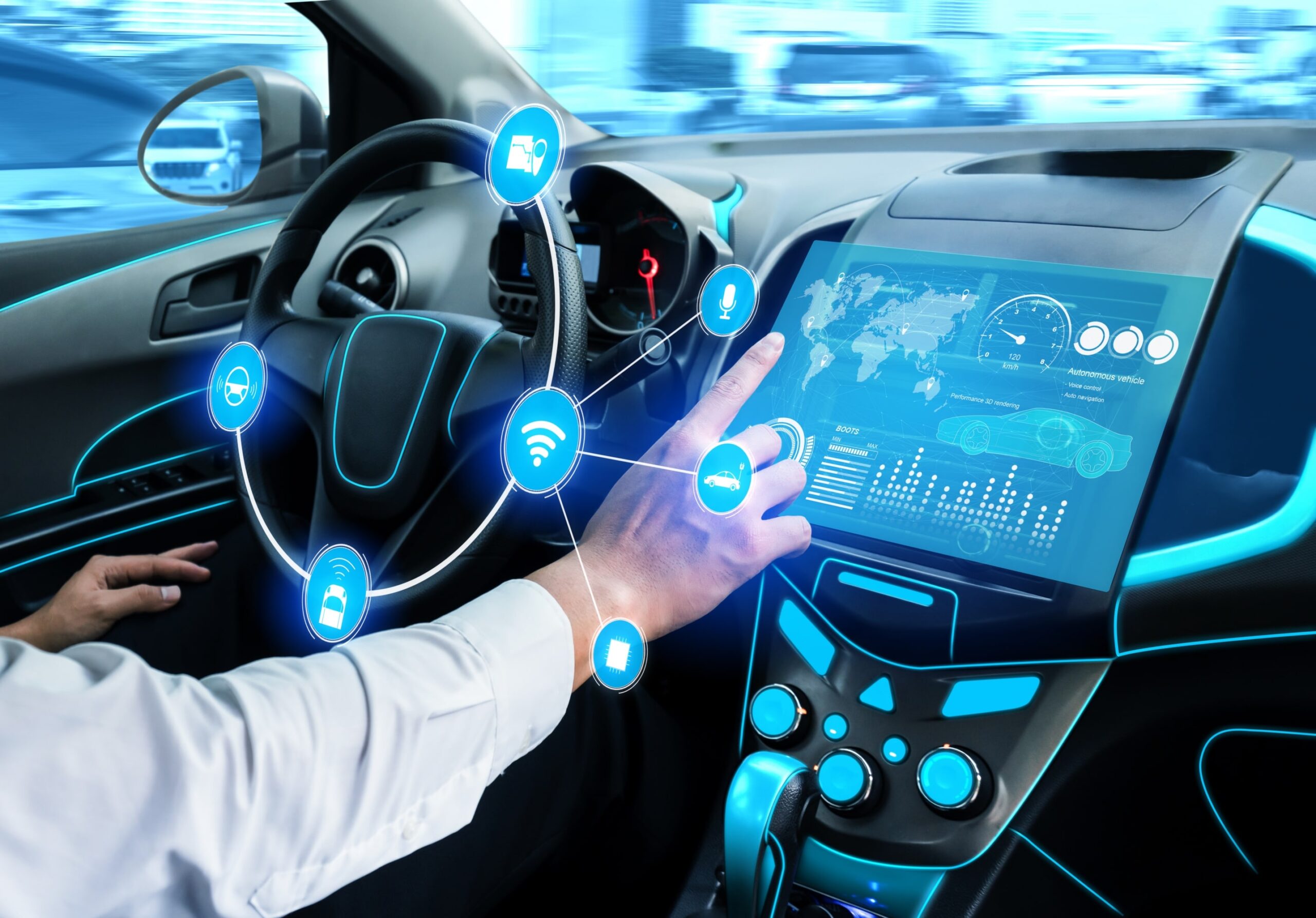
The electric vehicle (EV) revolution is no longer just about replacing fuel with batteries—it’s about making transportation smarter, safer, and more connected. Startups across India are at the forefront of this evolution, integrating Artificial Intelligence (AI) and the Internet of Things (IoT) to create intelligent EVs that go beyond basic mobility. These technologies are enabling real-time diagnostics, predictive maintenance, route optimization, and personalized user experiences, setting a new standard for electric mobility.
Real-Time Monitoring and Predictive Maintenance
One of the most impactful uses of AI and IoT in EVs is real-time data collection and analysis. Sensors embedded throughout the vehicle continuously monitor critical functions like battery health, motor efficiency, and temperature control. Startups like Euler Motors and Altigreen are using AI algorithms to predict potential breakdowns before they happen, reducing downtime and maintenance costs. This not only ensures safer travel but also helps fleet operators extend vehicle life and reduce operational expenses through data-driven decisions.
Enhanced User Experience and Smart Interfaces
Modern EVs are evolving into smart devices on wheels, offering a tech-forward experience for users. Startups like Ather Energy and Tork Motors are integrating touchscreen dashboards, voice controls, GPS-based navigation, and mobile app connectivity. Through AI, vehicles learn user preferences—such as frequently traveled routes, preferred riding modes, and optimal battery usage patterns—offering a highly personalized and intuitive driving experience. These intelligent interfaces are redefining how users interact with their vehicles, making everyday commuting more convenient and enjoyable.
Intelligent Fleet and Energy Management
IoT-enabled EVs are also playing a key role in optimizing fleet operations. Startups working in logistics and delivery services are using AI to track vehicle locations, predict traffic congestion, and suggest the most efficient routes. Additionally, IoT data is helping energy providers and fleet operators manage charging schedules, prevent energy waste, and balance grid loads during peak hours. Companies like Zypp Electric and BluSmart are leveraging these smart systems to streamline operations and provide reliable, eco-friendly transport services in urban areas.
Conclusion
The integration of AI and IoT in electric vehicles is accelerating the shift toward intelligent, sustainable mobility. By enabling real-time monitoring, predictive analytics, and user-friendly features, Indian startups are not just building EVs—they are building ecosystems that are smarter, safer, and more efficient. As these technologies continue to evolve, the future of electric mobility will be shaped not only by clean energy but also by the intelligence embedded in every vehicle. Startups are proving that the future of transport is not only electric—but also smart.
Share this content:

Post Comment