Regenerative Braking Comparison: Best Systems in 2025 EVs
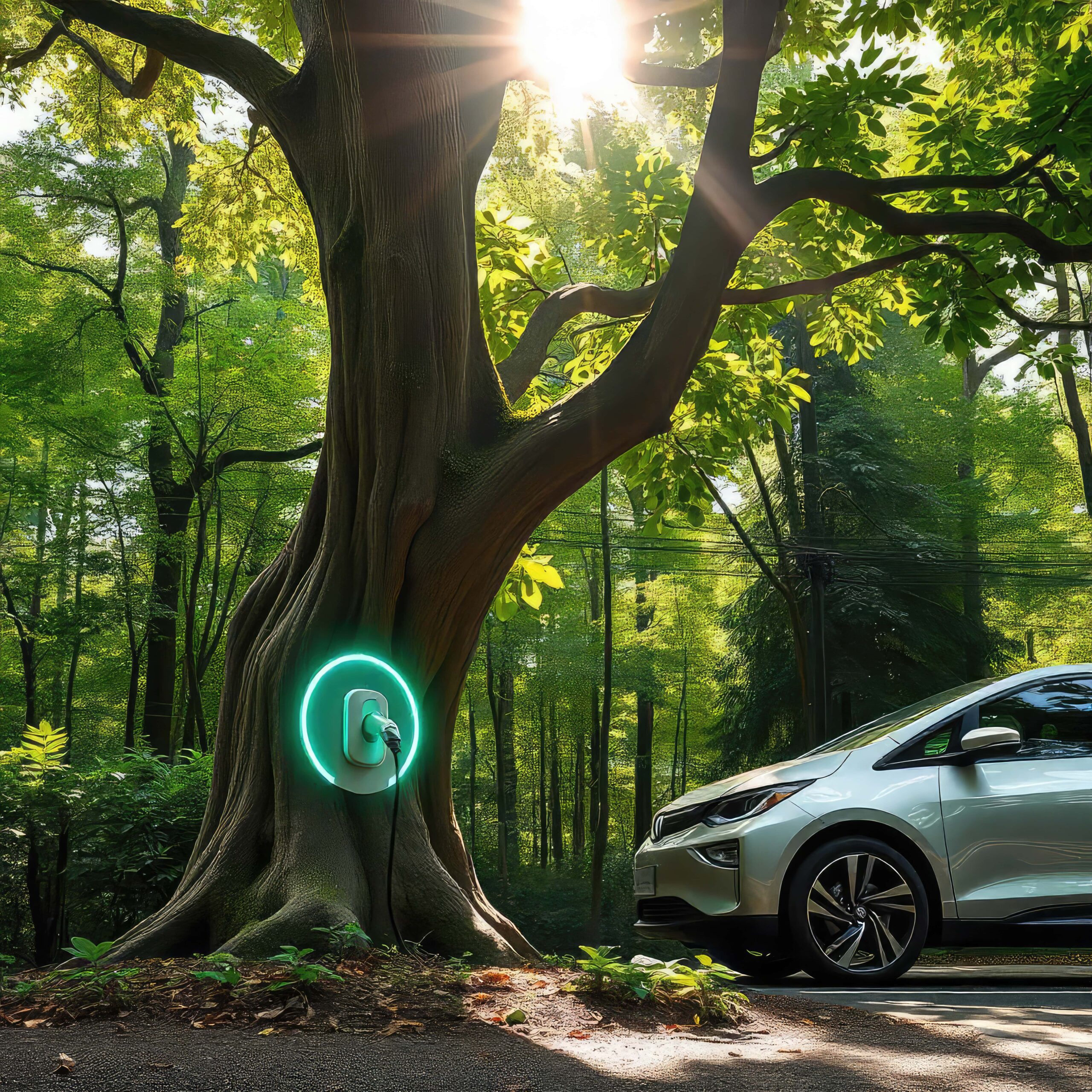
Regenerative braking technology has become a key feature in modern electric vehicles, allowing drivers to recover energy during deceleration and extend driving range. As EV manufacturers continue to innovate, 2025 brings significant advancements in this system. Here’s a comparison of the best regenerative braking systems available in today’s electric vehicles.
How Regenerative Braking Works
Regenerative braking converts kinetic energy generated during braking into electrical energy, which is then stored in the battery. Instead of wasting this energy as heat, the system captures it for future use, improving overall efficiency. In 2025, many automakers have optimized this technology with advanced control systems that provide smoother transitions and customizable settings for different driving styles.
Top EV Models with Advanced Systems
Leading EV brands like Tesla, BMW, and Hyundai have introduced highly efficient regenerative braking systems in their 2025 models. Tesla’s latest software allows drivers to switch between aggressive regen for maximum energy recovery and lighter settings for highway cruising. BMW’s iX series now features adaptive regenerative braking, which adjusts automatically based on traffic conditions. Hyundai’s Ioniq lineup also stands out with paddle-shifter control for multiple regen levels, giving drivers complete flexibility over energy recovery.
Impact on Driving Experience and Efficiency
The effectiveness of regenerative braking not only influences energy savings but also changes the overall driving experience. High-performing systems in 2025 EVs deliver seamless deceleration, reducing the need for frequent brake pedal use and enabling one-pedal driving in many scenarios. This not only improves convenience but also contributes to better battery health and longer range. For city drivers, where stop-and-go traffic is common, a robust regen system can significantly boost efficiency.
Conclusion
Regenerative braking has evolved into a critical feature that defines the efficiency and user experience of modern electric vehicles. In 2025, Tesla, BMW, and Hyundai lead the way with smart, customizable systems that maximize energy recovery without compromising driving comfort. As EV adoption continues to rise, regenerative braking will remain a key differentiator for manufacturers and a major benefit for drivers seeking performance and sustainability.
Share this content:


Post Comment