Battery Life, Build, and Performance: Reviewing EV Bikes for Daily Riders
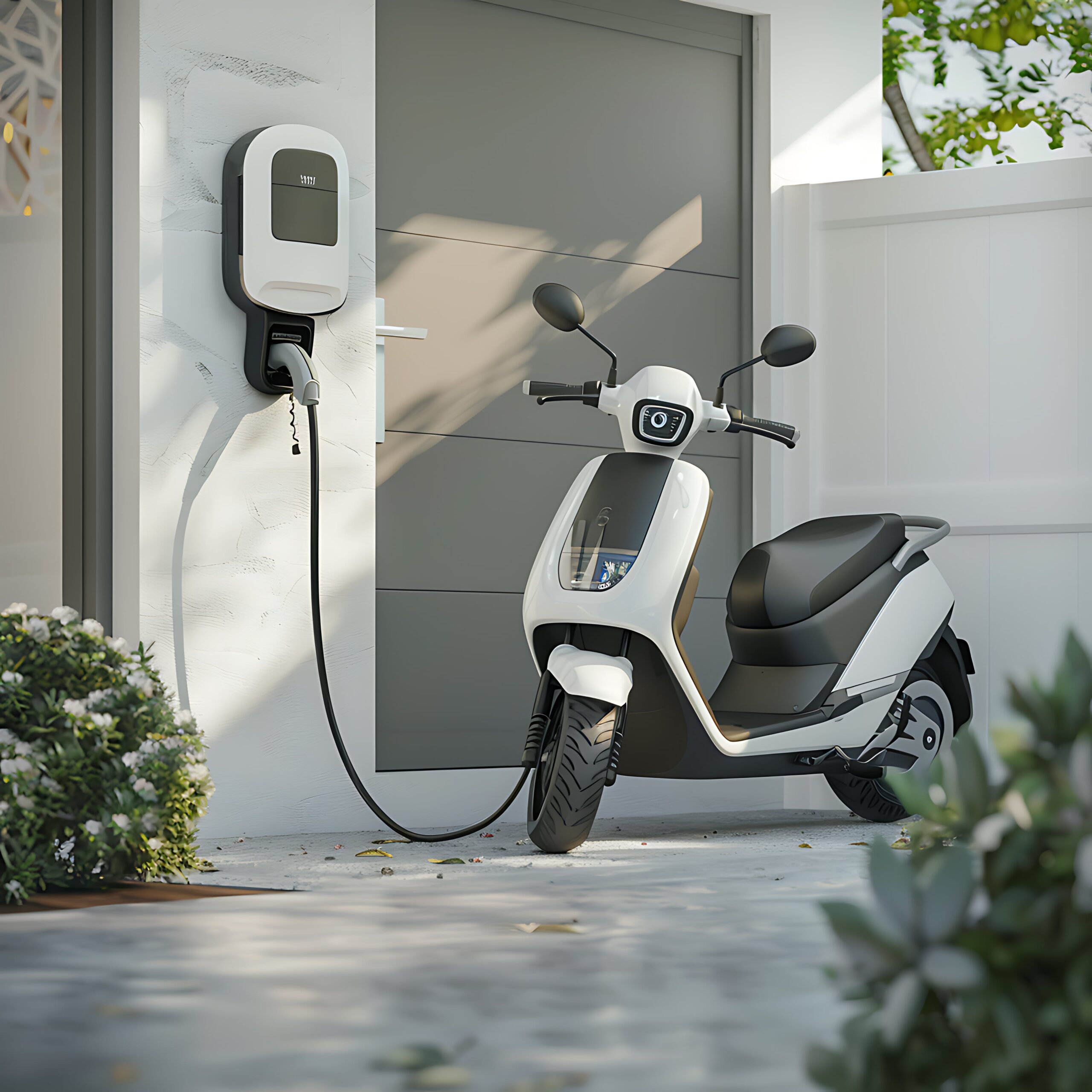
Electric two-wheelers are rapidly becoming the go-to choice for daily commuters in India. With rising fuel prices and increasing environmental awareness, EV bikes offer a cost-effective and eco-friendly alternative. But for daily riders, the real question is: Do these bikes deliver on battery life, build quality, and performance? Here’s an in-depth look at what you can expect from today’s leading electric bikes designed for everyday use.
Battery Life: How Reliable Are They for Daily Commutes?
Battery life is the most critical factor for anyone relying on an EV bike for regular travel. Most popular models like the Ola S1 Pro, Ather 450X, and TVS iQube offer a claimed range of 100-150 km on a single charge, which is sufficient for city commuting. However, real-world figures are slightly lower, depending on riding style, traffic, and terrain. Fast-charging technology is improving, allowing 50-80% charge in under an hour for many models, but home charging still takes 4-6 hours. Another key point is battery longevity—lithium-ion batteries generally last between 5 to 7 years, after which replacement costs can be significant, often running into tens of thousands of rupees.
Build Quality: Are EV Bikes Durable Enough for Indian Roads?
Daily riders need a bike that can withstand rough roads, heavy traffic, and frequent use. EV bikes like the Ather 450X and Bajaj Chetak Electric stand out for their solid build and premium finish, comparable to high-end petrol scooters. Most electric bikes are designed with a sturdy frame, weather-resistant components, and IP-rated protection for motors and batteries. However, some budget EV models compromise on material quality to keep prices low, which may lead to faster wear and tear. It’s important for buyers to check the warranty on the frame and electrical components before purchasing.
Performance: Do EV Bikes Match Petrol Counterparts?
Performance is where EV bikes are surprising many riders. With instant torque delivery, electric scooters often feel quicker than their petrol counterparts in city conditions. The Ola S1 Pro, for instance, can accelerate from 0-40 km/h in just 3 seconds, making it perfect for traffic-heavy routes. Most mid-range EV bikes comfortably achieve top speeds of 80-90 km/h, which is adequate for city rides and short highway stretches. However, sustained high-speed performance can reduce range significantly, so riders should plan longer trips with charging stops in mind. Regenerative braking, smooth handling, and low maintenance requirements add to the overall performance advantage of EV bikes.
Conclusion: Are EV Bikes the Right Choice for Daily Riders?
Electric bikes are proving to be practical, efficient, and fun for daily commuting in India. With improving battery technology, robust build quality, and impressive city performance, they are becoming a strong alternative to traditional petrol bikes. However, prospective buyers should factor in real-world range, charging options, and long-term battery replacement costs before making the switch. For urban riders looking for convenience and sustainability, EV bikes are a smart choice that’s here to stay.
Share this content:

Post Comment