5G & IoT in Transportation: Driving the Future of Connectivity
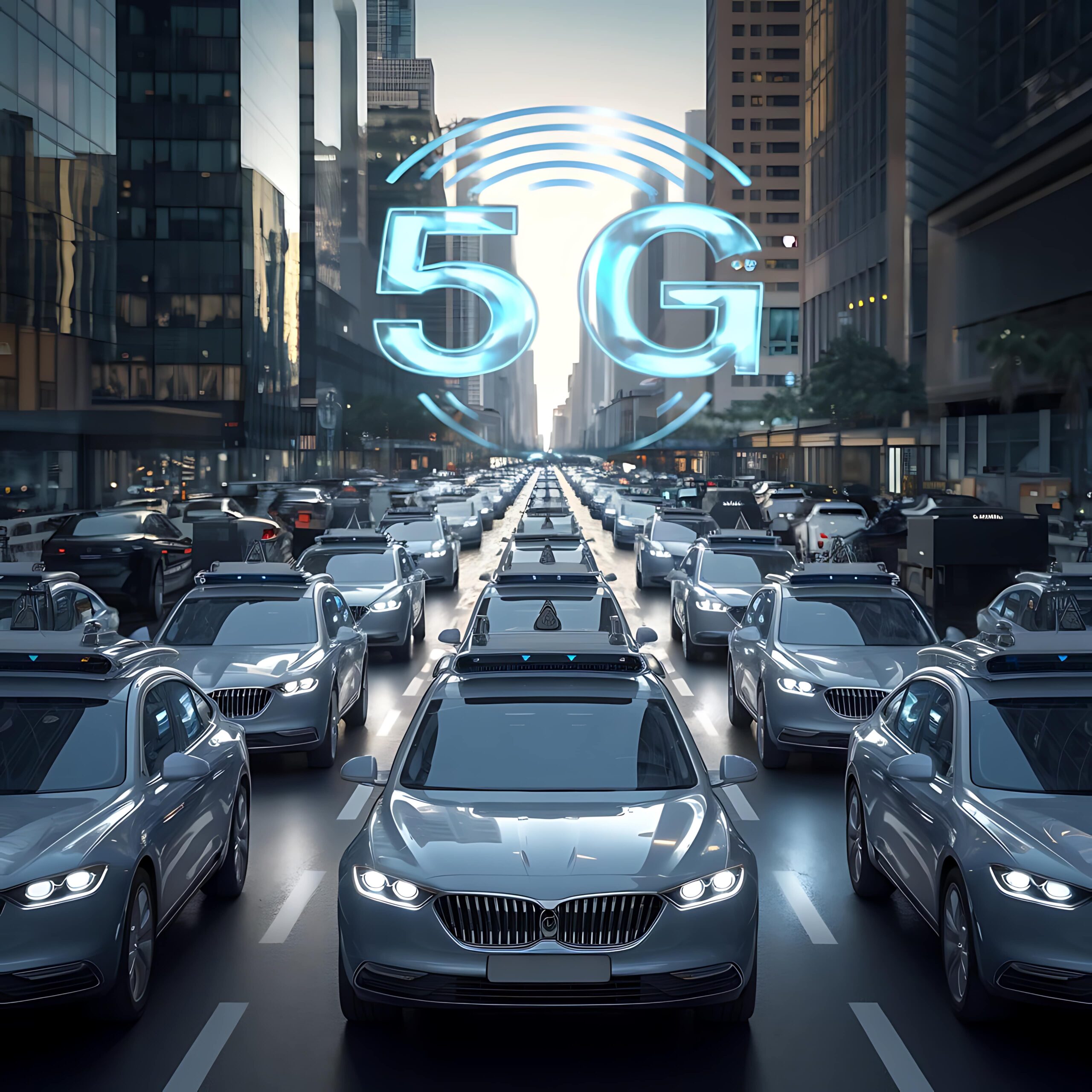
The transportation industry is undergoing a digital transformation, fueled by 5G networks and the Internet of Things (IoT). Together, these technologies are creating a connected ecosystem that makes mobility faster, safer, and smarter, benefiting commuters, fleet operators, and urban planners alike.
Real-Time Vehicle Communication for Safer Roads
With 5G’s ultra-low latency and IoT sensors in vehicles and infrastructure, real-time communication between cars, traffic signals, and road sensors is now possible. This Vehicle-to-Everything (V2X) connectivity enhances safety by enabling instant collision warnings, predictive traffic management, and smarter navigation, paving the way for autonomous and semi-autonomous vehicles.
Smarter Fleet Management and Logistics
IoT-enabled vehicles continuously transmit data on location, speed, fuel or battery usage, and maintenance needs. Coupled with 5G, fleet operators can access this information in real time, optimizing routes, reducing idle time, and cutting operational costs. For logistics and public transport, this translates into on-time deliveries, efficient energy use, and improved reliability.
Enhanced Passenger Experience and Urban Mobility
Passengers benefit from real-time updates, predictive arrival times, and in-vehicle digital services, creating a seamless travel experience. Cities can leverage aggregated IoT and 5G data to improve traffic flow, reduce congestion, and design smarter, greener urban transport systems that prioritize both efficiency and sustainability.
Conclusion
The fusion of 5G and IoT is redefining transportation. By enabling smarter vehicles, optimized fleets, and connected cities, these technologies are driving the next generation of mobility. As adoption grows, we can expect a world where travel is not only faster and safer but also intelligently connected and sustainable.
Share this content:

Post Comment