Modular Architecture in EV Platforms: Flexibility for the Future

As electric vehicles evolve, manufacturers are rethinking how cars are built. One of the most transformative approaches is modular architecture, where EV platforms are designed with flexibility at their core. This method not only streamlines production but also opens doors to innovation, cost efficiency, and scalability across diverse vehicle segments.
What Modular Architecture Means for EVs
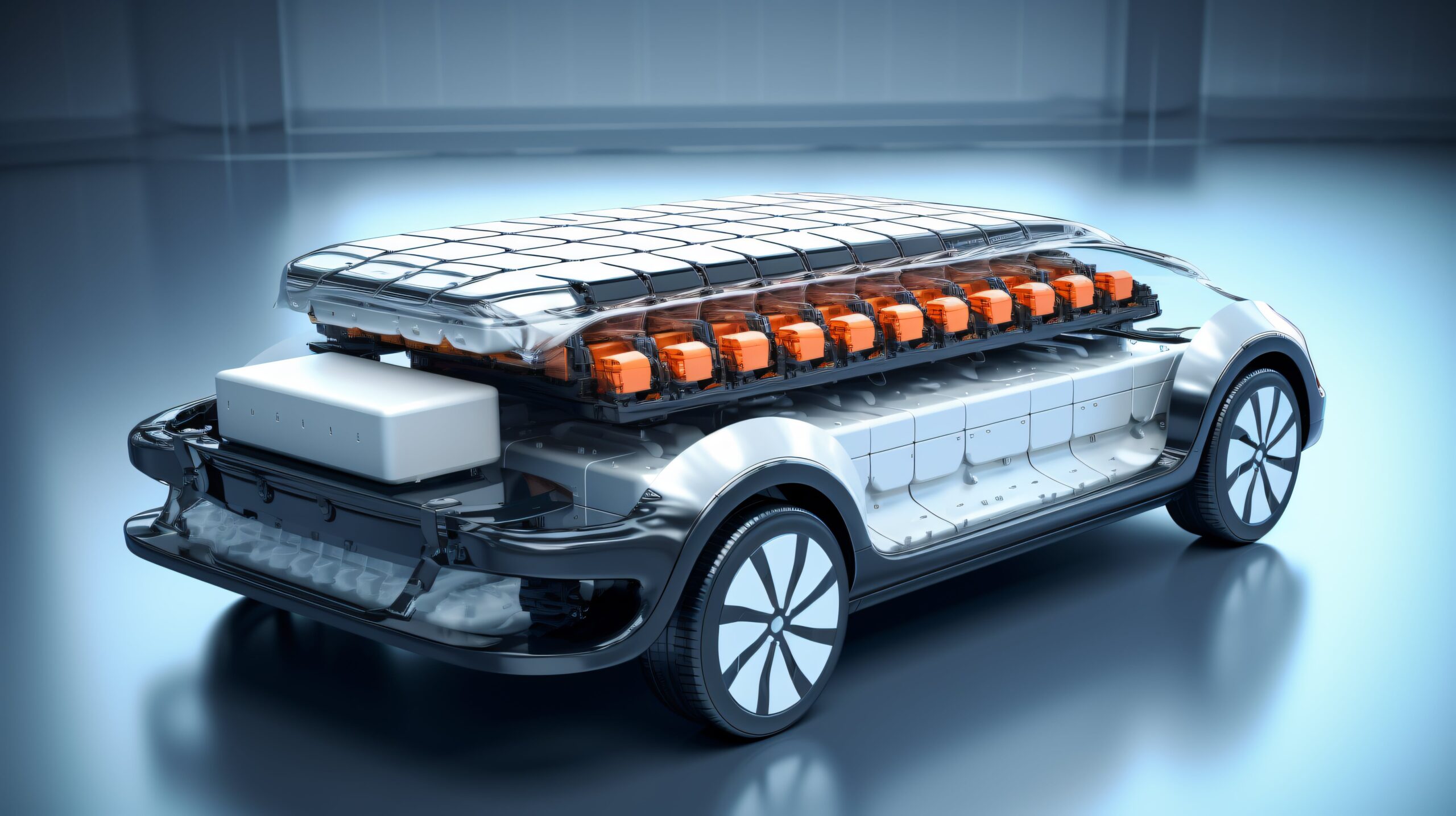
Modular EV platforms are built around standardized components, such as batteries, motors, and electronic systems, which can be adjusted in size or configuration depending on the vehicle type. A single platform can support compact cars, SUVs, or even commercial vehicles with minimal adjustments. This adaptability reduces development costs and accelerates the launch of new models.
Benefits for Manufacturers and Consumers
For automakers, modularity creates efficiency in design and production. They can introduce multiple models on the same base architecture, saving both time and resources. Consumers, on the other hand, enjoy greater choice without compromising on performance. Whether it’s extended range, faster charging, or advanced driver-assist features, modular platforms allow manufacturers to upgrade vehicles seamlessly without reinventing the wheel each time.
Future-Proofing Electric Mobility
The real strength of modular architecture lies in future readiness. As battery technology improves or new charging standards emerge, manufacturers can integrate upgrades into existing platforms without completely redesigning vehicles. This ensures EVs remain competitive and relevant in the fast-changing landscape of mobility. It also gives startups and established OEMs alike the flexibility to experiment with niche models while still maintaining cost control.
Conclusion
Modular architecture is shaping the future of EV platforms by combining adaptability, efficiency, and long-term sustainability. It provides manufacturers with the tools to scale production and innovate faster, while offering consumers vehicles that are versatile, reliable, and future-ready. In an industry driven by rapid change, modularity is not just a design philosophy — it’s a competitive advantage.
Share this content:


Post Comment