GST & Customs Duty Updates for Electric Vehicles in India
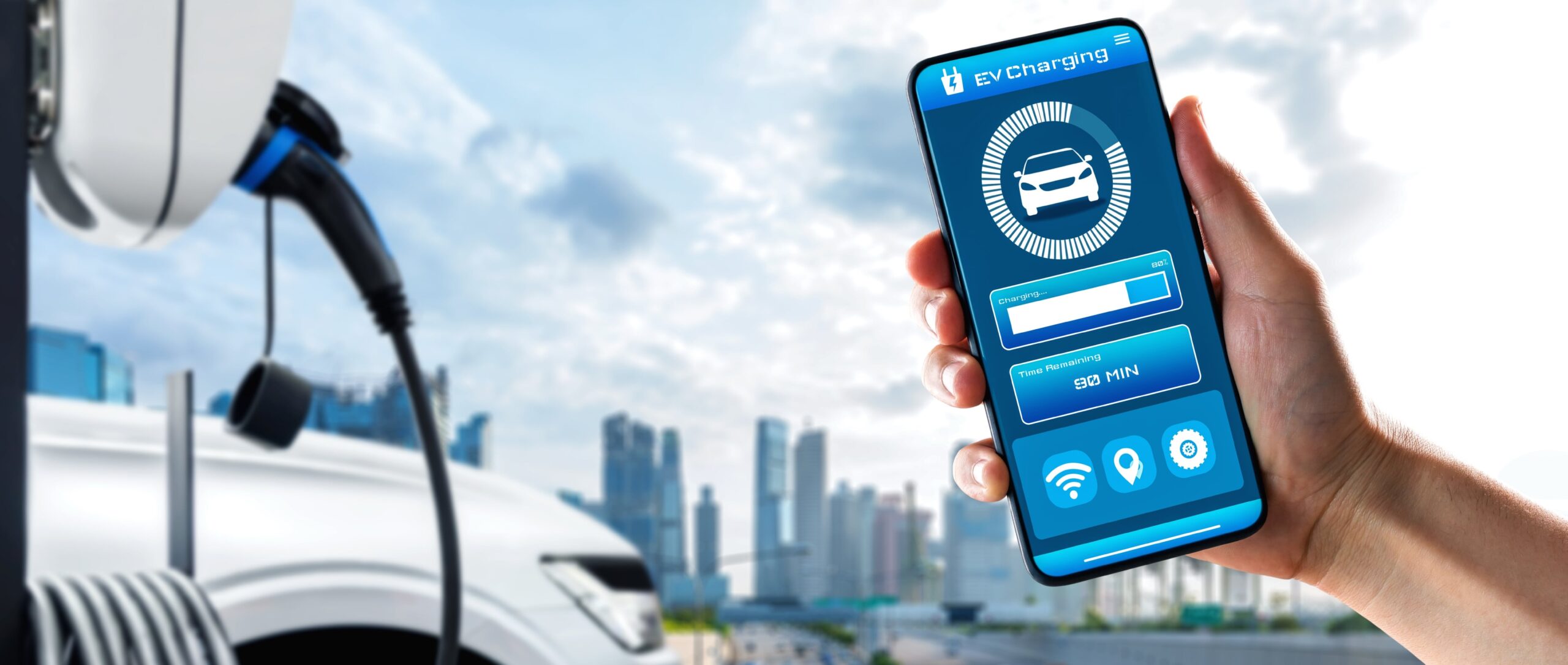
India’s electric vehicle (EV) sector is on the fast track to growth, driven not only by innovation and demand but also by progressive government policies. One of the most impactful developments in 2025 has been the revision of GST rates and customs duty structures for EVs and related components. These changes are aimed at making EVs more affordable for consumers, encouraging domestic manufacturing, and attracting global investments.
GST Reductions Making EVs More Affordable
The Goods and Services Tax (GST) on electric vehicles has been reduced to 5%, down from the previous higher rates. This significant cut directly lowers the upfront purchase price of EVs, making them a more viable option for the average Indian consumer. Additionally, EV owners benefit from a 15% discount on third-party insurance premiums, further reducing ownership costs. By making EVs cost-competitive with petrol and diesel vehicles, the GST reform supports the government’s mission to accelerate the shift towards cleaner transportation.
Customs Duty Exemptions Boosting Local Manufacturing
The 2025 Union Budget introduced customs duty exemptions on critical raw materials and components essential for EV battery production. Items such as cobalt, lithium-ion battery waste, scrap, lead, and specialized battery manufacturing equipment are now exempt from basic customs duty. This move aims to lower manufacturing costs, strengthen India’s EV supply chain, and encourage companies to set up local production units. As the country works towards reducing dependence on imports, these exemptions play a key role in positioning India as a competitive EV manufacturing hub.
Reduced Import Duties to Attract Global Brands
Under the new EV Policy 2025, foreign manufacturers who commit to substantial local investment can import fully built electric cars at a reduced 15% customs duty — a massive drop from the earlier 70–110% range. This policy is designed to invite global brands like Tesla, Hyundai, and Volkswagen to the Indian market, while ensuring they contribute to the domestic economy through production facilities, job creation, and technology sharing. It’s a strategic balance between opening the market to premium EV options and fostering local industry growth.
Conclusion
The recent updates to GST and customs duties mark a pivotal moment for India’s electric mobility journey. Lower GST rates make EVs more affordable for buyers, customs duty exemptions reduce production costs for manufacturers, and reduced import duties attract global investments. Together, these reforms are creating a robust ecosystem that not only accelerates EV adoption but also strengthens India’s position as a key player in the global electric mobility market.
Share this content:

Post Comment