The Role of Public Charging Stations in Accelerating EV Adoption
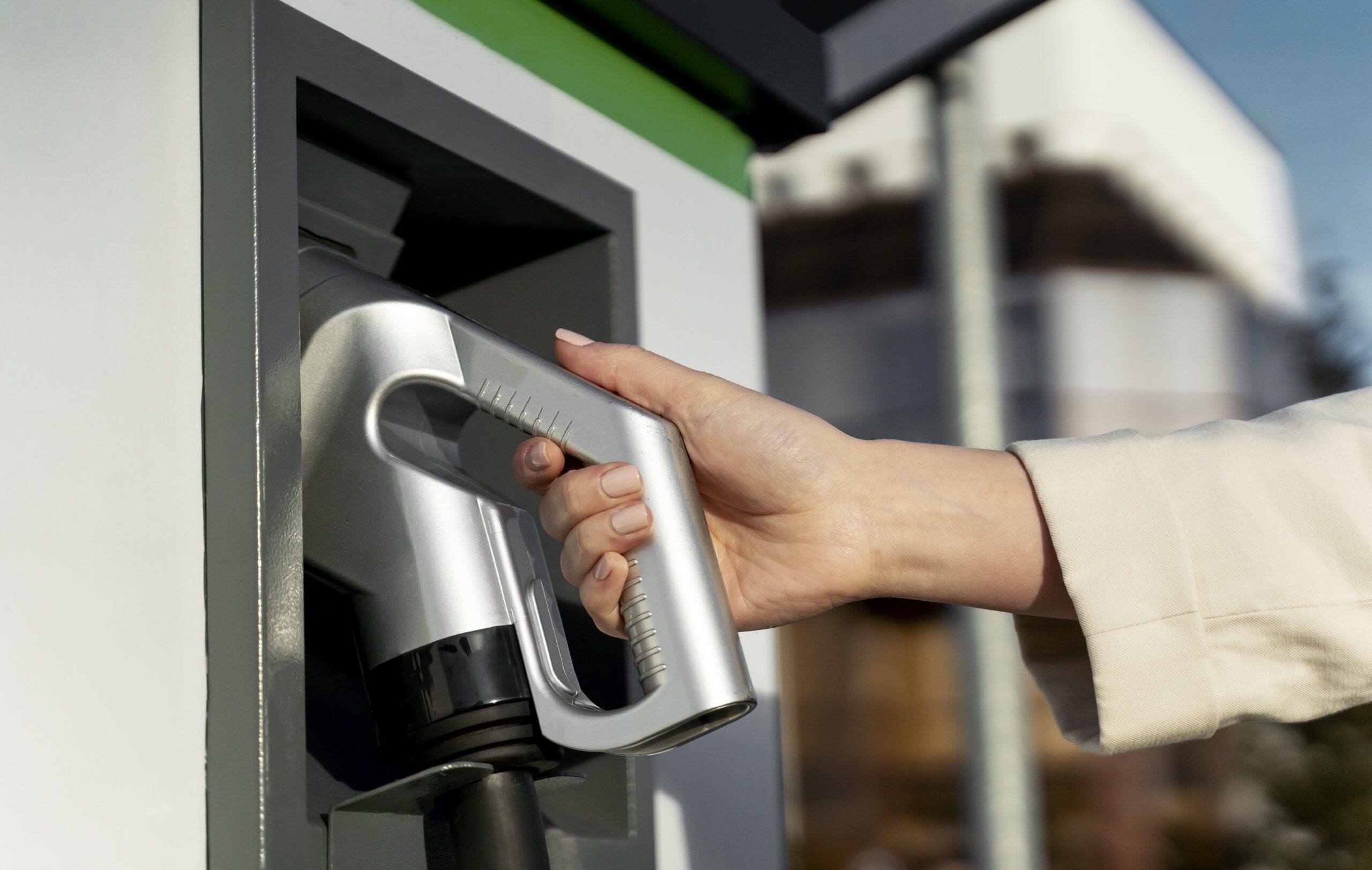
The growth of electric vehicles (EVs) in India depends not only on vehicle availability but also on the accessibility of charging infrastructure. Public charging stations play a crucial role in building confidence among potential EV buyers and enabling convenient, long-distance, and stress-free travel.
Enhancing Accessibility and Convenience
Public charging stations ensure that EV users can recharge their vehicles beyond the confines of their homes or workplaces. Strategically placed at highways, malls, parking lots, and fuel stations, they make electric mobility practical for both daily commuters and long-distance travelers. This widespread availability helps remove “range anxiety,” one of the biggest barriers to EV adoption.
Boosting Consumer Confidence
When people see more public charging stations, they feel more secure about transitioning to electric vehicles. A well-distributed network reduces the fear of running out of power, making EVs a realistic option for urban and rural users alike. This visibility also promotes the perception of EVs as a viable, mainstream choice.
Supporting Government and Industry Goals
Public charging infrastructure is central to achieving national EV targets and environmental goals. By enabling faster adoption, it supports reduced carbon emissions, lower dependence on fossil fuels, and growth in the green energy sector. Public-private partnerships can accelerate the pace of installation, ensuring both coverage and quality of service.
Conclusion
Public charging stations are more than just utility points—they’re the backbone of the electric mobility ecosystem. Their expansion will directly influence the speed and scale of EV adoption in India, creating a cleaner, greener, and more sustainable transportation future.
Share this content:



Post Comment