Fast Charging vs. Battery Swapping: Which Model Will Prevail in India?
India’s push toward electric mobility has brought two primary EV charging solutions into the spotlight—fast charging and battery swapping. Both aim to solve the challenge of long charging times, but each comes with its own advantages and hurdles. The question is, which model will lead the future of India’s EV infrastructure?
Fast Charging: Speed Meets Convenience
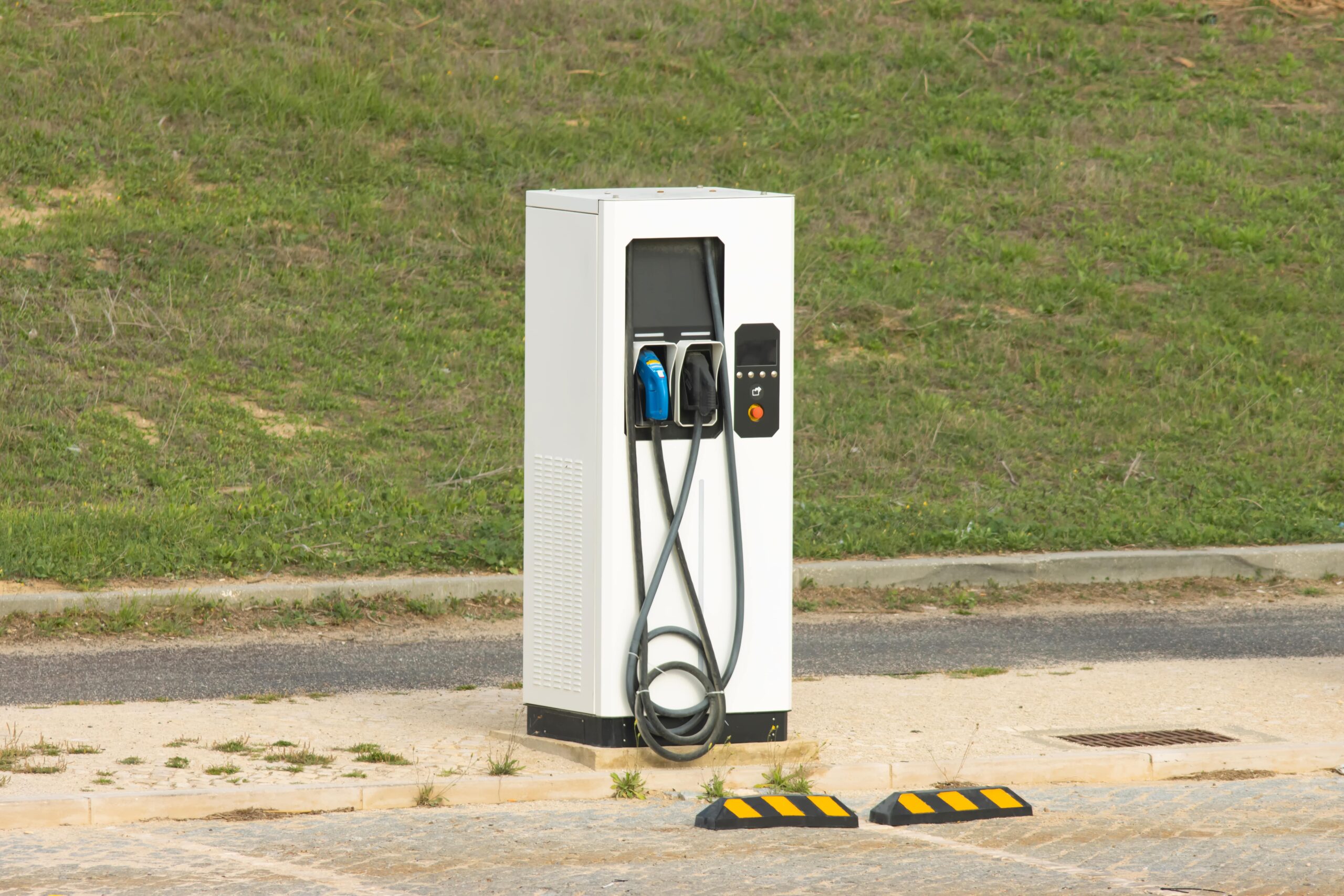
Fast charging stations can recharge most EV batteries up to 80% in under an hour, making them a practical choice for highways, public parking areas, and commercial hubs. This model benefits from growing global adoption, standardized technology, and ease of integration into existing grids. However, it requires significant electrical infrastructure upgrades and can put high stress on batteries over time.
Battery Swapping: Instant Power on the Go
Battery swapping stations allow drivers to exchange a depleted battery for a fully charged one in just a few minutes. This approach eliminates charging wait times and can extend the lifespan of EV batteries by ensuring controlled charging cycles. It is especially promising for fleet operators, two-wheelers, and three-wheelers in urban areas. The challenge lies in the need for standardized battery designs and the high initial investment in swapping infrastructure.
The Indian Context: Hybrid Approach?
Given India’s diverse vehicle segments and infrastructure gaps, a hybrid model could be the most effective in the short to medium term. Fast charging may dominate for private four-wheelers and intercity travel, while battery swapping could excel in high-utilization commercial fleets and last-mile delivery vehicles.
Conclusion
In India’s evolving EV market, both fast charging and battery swapping have critical roles to play. While fast charging is more globally standardized, battery swapping offers unmatched turnaround time for specific segments. The future may not be about one model replacing the other, but rather a coexistence that meets the needs of different users and accelerates nationwide EV adoption.
Share this content:


Post Comment