FAME India Scheme Explained: Incentives for EV Buyers and Manufacturers

The transition to electric vehicles (EVs) in India has accelerated due to government-led initiatives, especially the FAME India Scheme. Introduced to cut down on vehicular emissions and promote sustainable mobility, this scheme provides financial incentives and policy-level support for both consumers and manufacturers. In this blog, we explore how the FAME scheme works, its benefits, and its role in reshaping India’s transportation landscape.
Understanding the FAME India Scheme
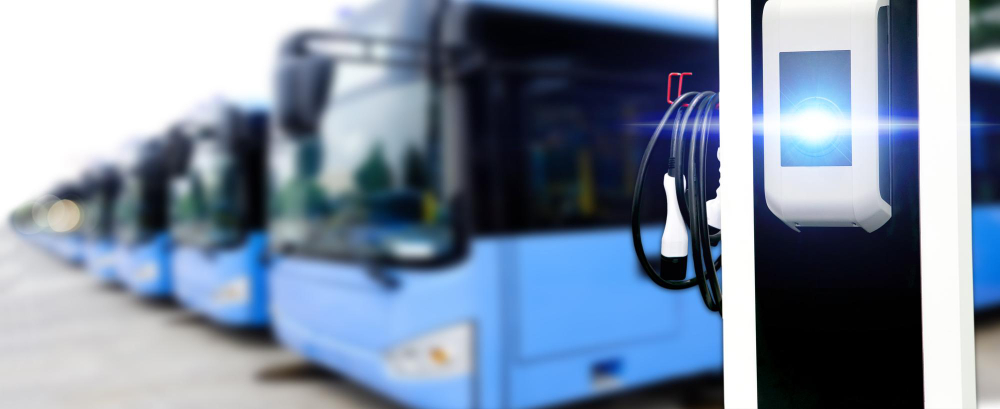
The Faster Adoption and Manufacturing of Hybrid and Electric Vehicles in India, commonly known as the FAME India Scheme, was launched by the Department of Heavy Industry in 2015. It aims to promote electric mobility by offering subsidies for electric vehicles and encouraging the development of EV-related infrastructure. Implemented in two phases, FAME I focused on pilot projects and early adoption, while FAME II—currently ongoing—targets large-scale deployment of electric vehicles, especially in public and shared transportation, alongside efforts to build a nationwide EV charging network.
How EV Buyers Benefit from FAME
The scheme directly benefits consumers by reducing the upfront cost of electric vehicles through financial subsidies. For individual buyers, particularly those purchasing two-wheelers or vehicles for commercial use, the FAME scheme has made electric options more affordable and accessible. By doing so, it has contributed to the growing popularity of electric scooters, bikes, and rickshaws in urban centers. These incentives have made eco-friendly choices a viable alternative to petrol or diesel vehicles, especially for daily commuting and local transport needs.
Boosting Manufacturers and Infrastructure Development
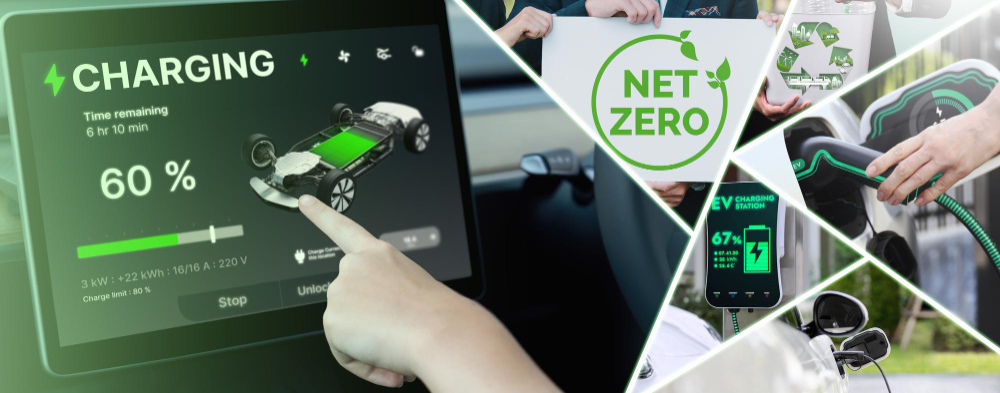
Beyond supporting consumers, FAME India has been instrumental in strengthening the electric vehicle manufacturing ecosystem. The scheme encourages local production of components such as batteries and motors, which helps reduce reliance on imports and boosts domestic innovation. It also promotes the establishment of charging stations across major urban areas, business districts, and highways, making EV use more convenient. By focusing on both supply and infrastructure, FAME plays a dual role in expanding the reach and usability of electric mobility in India.
Conclusion
The FAME India Scheme is more than just a subsidy program; it is a national movement toward clean and efficient transportation. By offering incentives to buyers and empowering manufacturers, it creates an ecosystem where electric vehicles can thrive. As India aims to reduce its carbon footprint and embrace green technologies, FAME continues to be a key driver in shaping the country’s e-mobility future.
Share this content:

Post Comment