Solid-State Batteries: The Future of Electric Vehicle Power

The electric vehicle (EV) industry is undergoing a transformation, and at the core of this revolution lies a new generation of batteries: solid-state batteries. As the limitations of conventional lithium-ion batteries become more apparent, solid-state technology emerges as a promising alternative, offering greater energy density, faster charging, improved safety, and longer lifespan. It’s no wonder many experts believe that solid-state batteries are the future of EV power.
What Makes Solid-State Batteries Different?
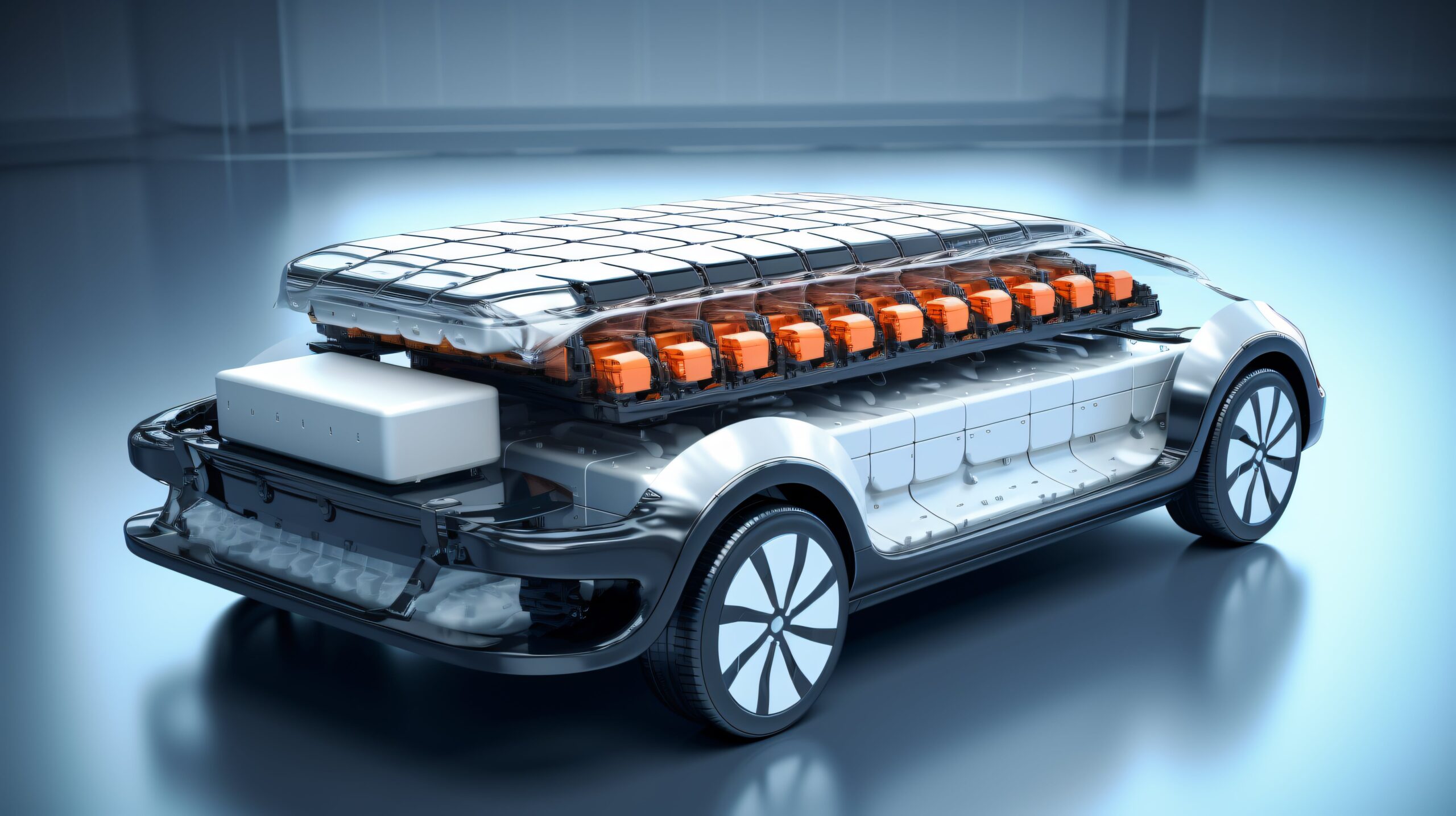
Traditional lithium-ion batteries use liquid electrolytes to facilitate the movement of ions between the anode and cathode. Solid-state batteries, as the name suggests, replace this liquid with a solid electrolyte—typically ceramic, glass, or other solid materials. This shift fundamentally changes the battery’s structure, leading to several performance improvements.
Solid electrolytes are non-flammable, making the battery significantly safer by reducing the risk of fires and thermal runaway. Additionally, the compact and stable structure allows for higher energy densities, meaning EVs can travel much farther on a single charge. They also operate more efficiently at a wider range of temperatures, making them ideal for varying climate conditions.
Advantages for the EV Industry
One of the most compelling advantages of solid-state batteries is the potential to double an EV’s driving range without increasing battery size. This addresses one of the biggest concerns among EV buyers: range anxiety. Moreover, solid-state batteries charge much faster than traditional batteries, potentially slashing charging times from hours to minutes.
Durability is another key benefit. These batteries can endure more charge-discharge cycles, extending the life of an electric vehicle. This translates into lower long-term costs and less frequent battery replacements—an important consideration for both consumers and fleet operators.
Current Developments and Challenges
Automotive giants like Toyota, BMW, and Volkswagen, as well as innovative startups, are investing heavily in solid-state battery research and development. Several have announced plans to integrate this technology into production EVs within the next few years. However, mass production remains a challenge due to high manufacturing costs, material sourcing, and scalability issues.
Despite these hurdles, progress is accelerating. With breakthroughs in material science and production techniques, commercial viability seems closer than ever. The growing demand for high-performance, safe, and efficient EVs is pushing solid-state batteries from the lab into real-world applications.
Conclusion
Solid-state batteries represent a pivotal shift in the electric vehicle landscape. Their superior performance, enhanced safety, and long-term reliability position them as the next big leap in battery technology. While technical and manufacturing challenges remain, the momentum behind this innovation is undeniable. As the world transitions toward cleaner transportation, solid-state batteries are poised to power the EVs of tomorrow—smarter, faster, and farther than ever before.
Share this content:
Post Comment