Future-Ready Infrastructure: Smart Roads, EV Charging & Traffic Management
As India moves toward a more connected and sustainable future, the focus is shifting beyond just vehicles to the infrastructure that supports them. Future-ready infrastructure is essential for seamless mobility and includes smart roads, efficient EV charging networks, and intelligent traffic management systems. Together, these innovations are laying the foundation for a new era of urban transportation—where mobility is not only electric but also intelligent, integrated, and efficient.
Smart Roads for Seamless Connectivity
Smart roads are revolutionizing how cities manage traffic flow and ensure road safety. These roads are embedded with sensors, cameras, and IoT devices that collect real-time data on traffic conditions, weather, and vehicle movement. This data is then used to optimize signal timings, detect accidents, and improve overall traffic efficiency. Startups and urban planners are increasingly exploring smart road technologies to reduce congestion and support autonomous and electric vehicle navigation. In India, pilot projects in cities like Pune and Bengaluru are already showing the potential of such intelligent infrastructure.
Expanding EV Charging Infrastructure
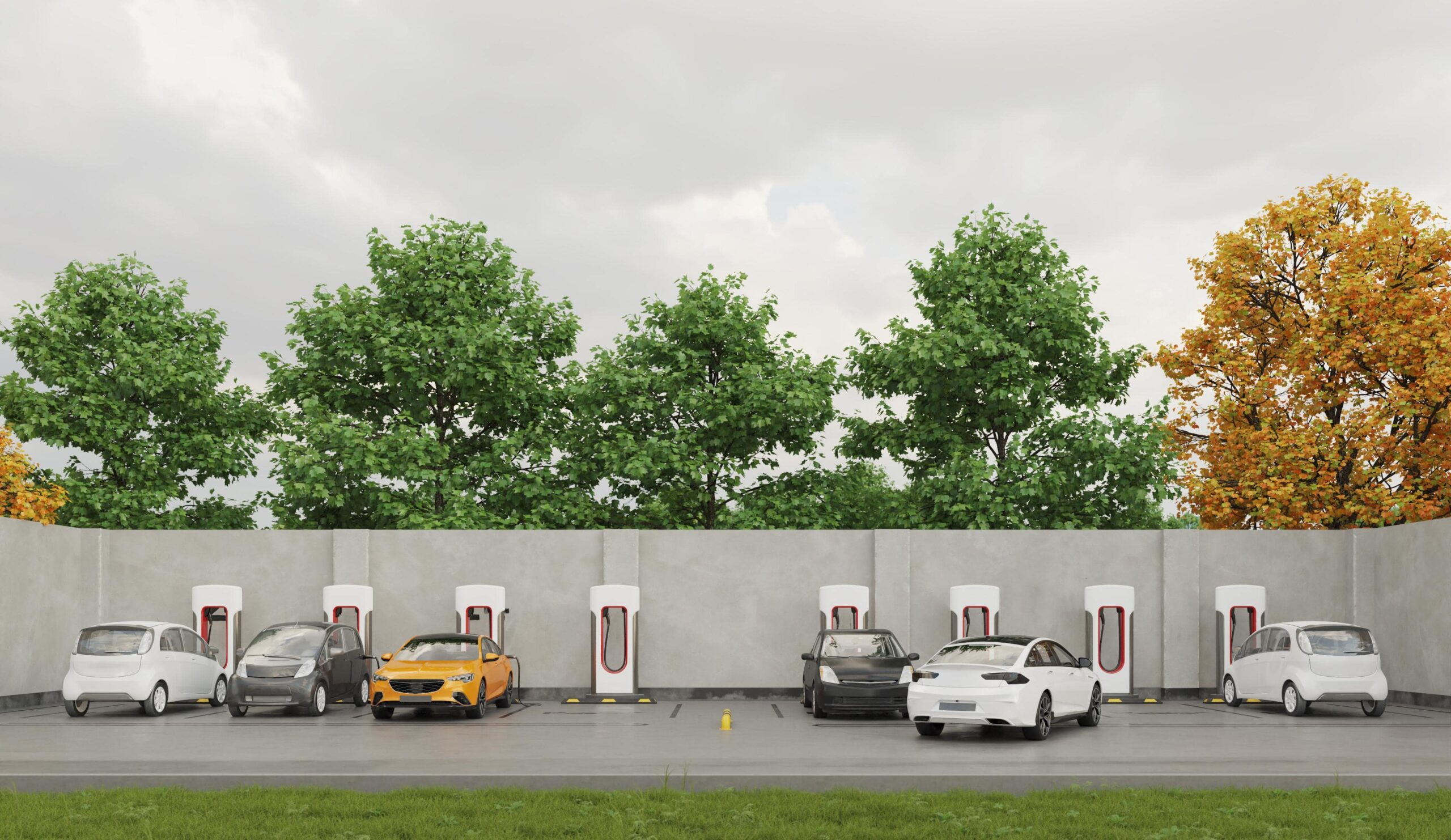
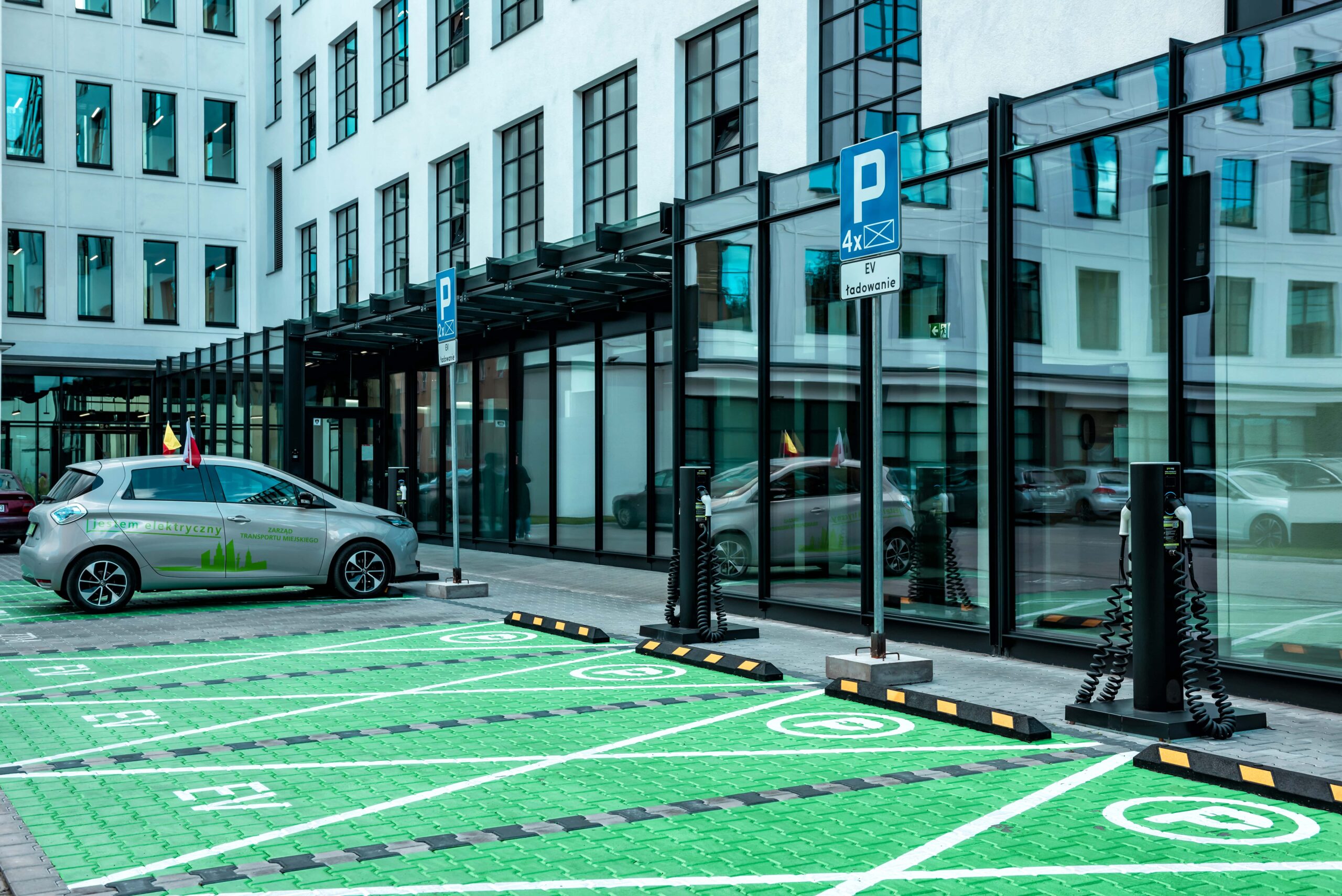
A robust EV charging network is critical to the widespread adoption of electric vehicles. Without easily accessible charging stations, range anxiety remains a major concern for users. Fortunately, startups and energy providers are stepping up by installing fast-charging stations across highways, urban centers, and commercial hubs. From battery-swapping stations for two- and three-wheelers to DC fast chargers for cars and buses, the ecosystem is rapidly evolving. Government initiatives like FAME II and partnerships with private players are accelerating the pace of deployment, helping to create an EV-friendly landscape across India.
Intelligent Traffic Management for Smart Cities
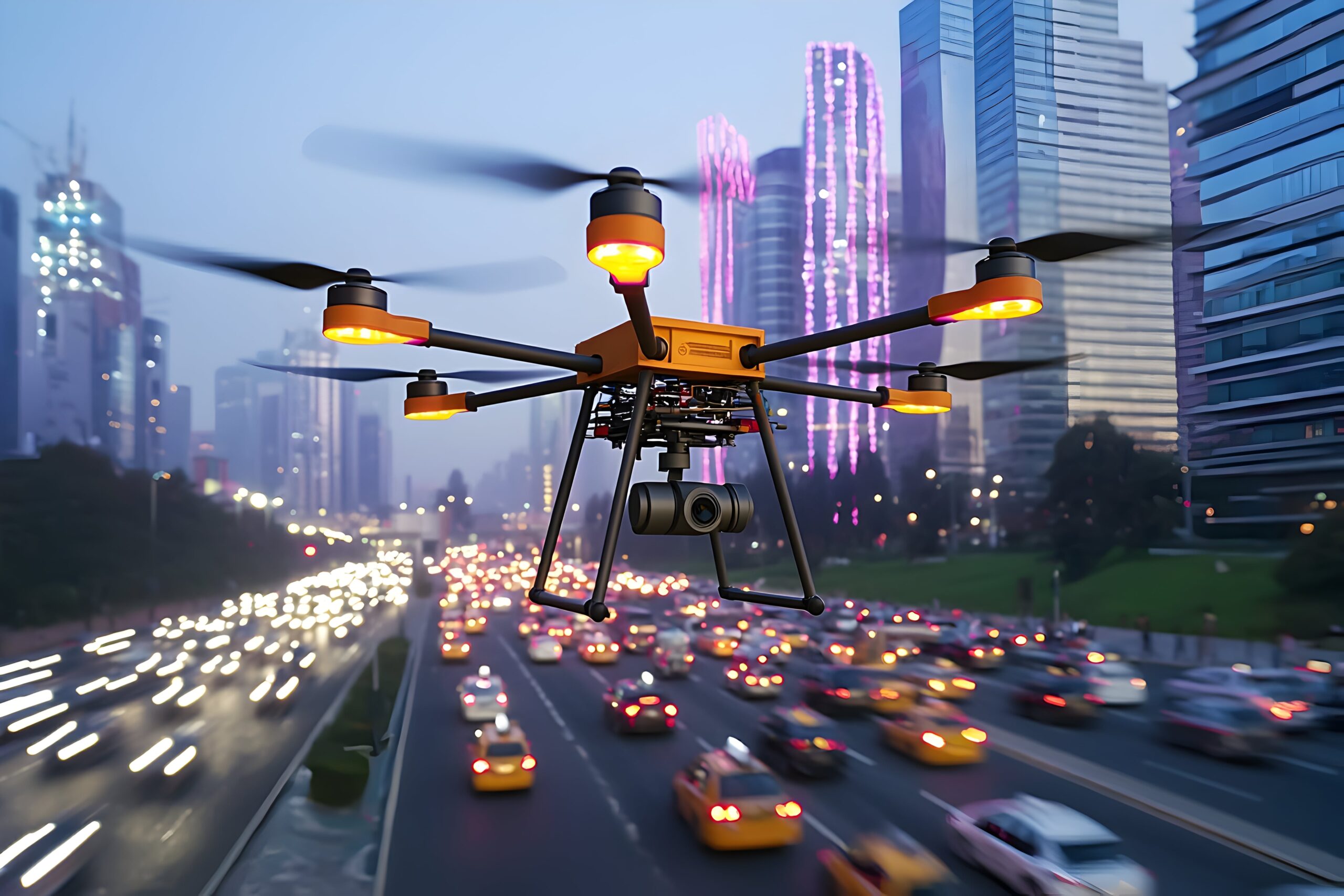
As urban populations grow, traditional traffic control methods are proving inadequate. Intelligent traffic management systems are stepping in to improve mobility and safety. These systems use AI and real-time data analytics to monitor traffic patterns, predict congestion, and manage incident response. Smart signals that adapt to traffic volume and integrated command centers help cities respond quickly to changing road conditions. This not only reduces travel time but also supports emergency services, pollution control, and pedestrian safety—key elements of a smart and livable city.
Conclusion
The transformation of India’s mobility landscape depends not just on vehicles, but on the smart infrastructure that powers them. From smart roads that communicate with vehicles to an expanding EV charging network and AI-driven traffic systems, future-ready infrastructure is essential for building sustainable, efficient, and connected cities. As government policies, private investments, and technology align, India is poised to lead the way in next-generation urban mobility—where every journey is smarter, cleaner, and faster.
Share this content:

Post Comment