Swappable Battery Startups: The Future of EV Refueling?
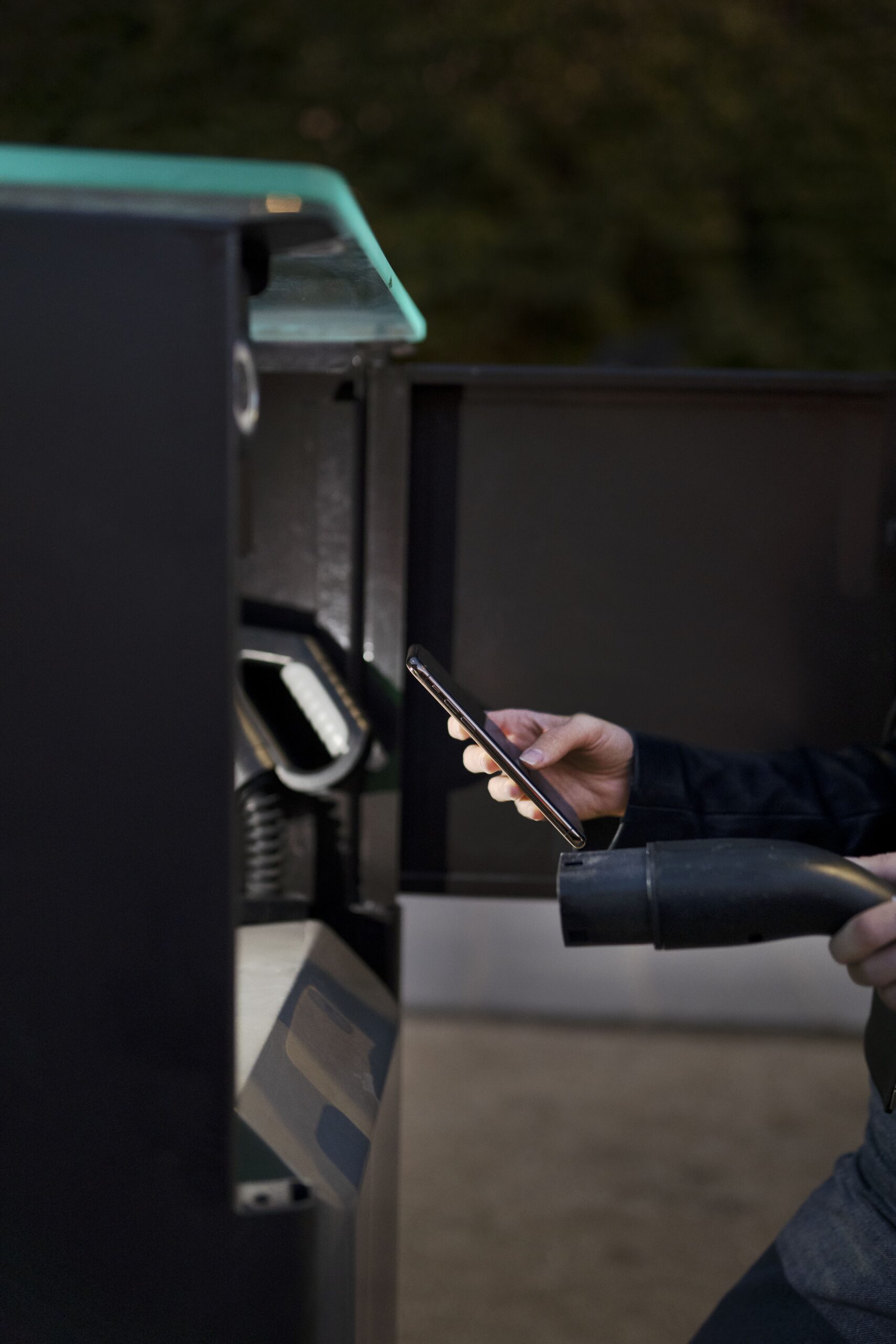
As electric vehicles (EVs) grow in popularity across India, one of the biggest concerns among users remains charging time and infrastructure. This is where swappable battery technology steps in, offering a quick, convenient alternative to traditional charging. Emerging EV startups are now leading the way by creating efficient battery swapping ecosystems, aiming to revolutionize the way we refuel electric vehicles—especially two- and three-wheelers.
Why Battery Swapping is Gaining Traction
Unlike fixed battery charging, battery swapping allows users to replace a depleted battery with a fully charged one in just a few minutes. This model eliminates long charging times and the need for home or roadside chargers. Startups across India are deploying networks of swap stations in urban centers, targeting e-rickshaws, delivery vehicles, and fleet operators who prioritize uptime. Through dedicated mobile apps, users can locate the nearest swap station and continue their journey without delay.
Startups Powering the Swapping Revolution
Companies like Battery Smart, SUN Mobility, and RACE Energy are pioneering this model. Battery Smart has built a strong network of swap stations across several cities, enabling fast and user-friendly battery exchanges. SUN Mobility focuses on modular and interoperable battery solutions, catering to fleets and public transport with a swapping-as-a-service model. Meanwhile, RACE Energy, based in Hyderabad, is developing integrated EV and swapping tech for electric three-wheelers, combining hardware innovation with user efficiency. These startups are integrating IoT and data analytics to monitor battery health, manage energy usage, and offer real-time updates to users.
Challenges and What Lies Ahead
Despite its advantages, the battery swapping model faces several challenges. These include a lack of standardization in battery formats, high infrastructure setup costs, and limited regulatory clarity. However, with growing government interest and initiatives like the Battery Swapping Policy under the FAME scheme, the sector is receiving crucial policy support. As these obstacles are addressed, battery swapping is expected to gain wider traction, especially in the commercial vehicle segment and densely populated urban areas.
Conclusion
Battery swapping startups are redefining the EV refueling experience by prioritizing speed, flexibility, and convenience. While the concept is still evolving, it has significant potential to support India’s ambitious EV adoption goals. As more players enter the market and supportive infrastructure scales up, swappable battery technology could emerge as a cornerstone of future urban mobility.
Share this content:

Post Comment