Public Transport 2.0: The Rise of Electric Buses & Metro Systems
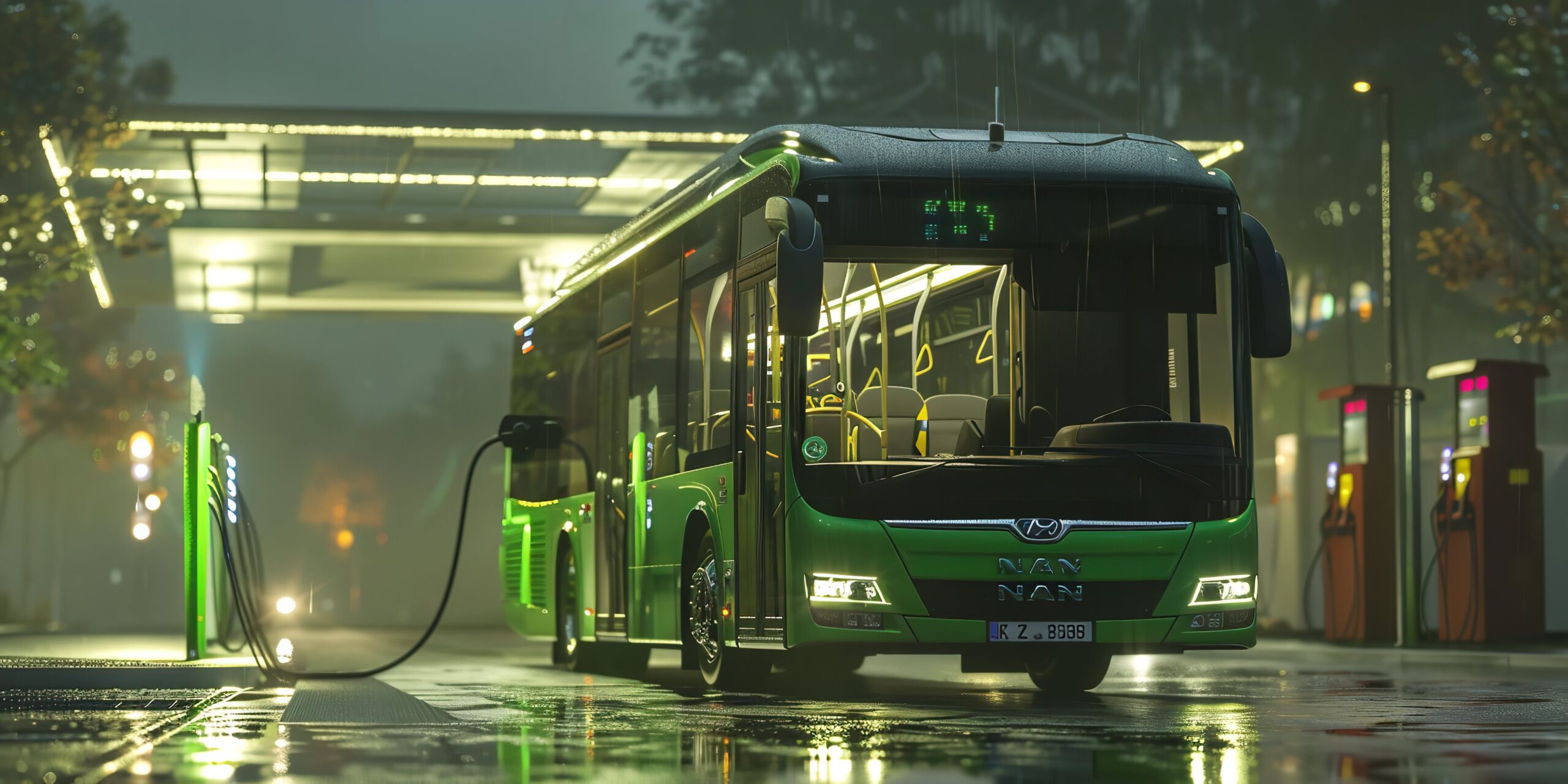
As urban congestion, air pollution, and energy demands increase, cities around the world are embracing a more sustainable and efficient model of public transportation—Public Transport 2.0. In this new era, electric buses and modern metro systems are becoming central to urban mobility strategies. These eco-friendly alternatives are transforming how millions commute every day, offering cleaner air, quieter streets, and better connectivity.
Electric Buses: Reducing Emissions, Enhancing Efficiency
Electric buses are quickly replacing traditional diesel fleets in many Indian cities. With zero tailpipe emissions, they significantly reduce urban air pollution. Additionally, electric buses are quieter, require less maintenance, and have lower operational costs over time. Cities like Delhi, Mumbai, and Bengaluru are already deploying thousands of electric buses under government-backed initiatives such as FAME India (Faster Adoption and Manufacturing of Hybrid and Electric Vehicles).
Metro Systems: Expanding Urban Connectivity
Modern metro networks are becoming the backbone of urban transport. With frequent services, high capacity, and dedicated tracks, metros offer a reliable alternative to road-based commuting. Cities such as Delhi, Kochi, and Pune are expanding their metro coverage rapidly, integrating last-mile connectivity solutions like feeder buses and electric rickshaws to create seamless door-to-door travel options for commuters.
Government Policies and Green Urban Mobility
The Indian government’s push for green mobility, under initiatives like the National Electric Mobility Mission and Smart Cities Mission, is accelerating the transition toward sustainable public transport. Financial incentives, infrastructure investments, and public-private partnerships are key enablers. The integration of digital ticketing, real-time tracking apps, and smart card systems has also enhanced user experience and transparency.
Conclusion
Public Transport 2.0 represents a major leap toward clean, efficient, and inclusive urban mobility. With electric buses reducing pollution and metro systems boosting connectivity, cities are well on their way to becoming greener and more commuter-friendly. As technology and infrastructure continue to evolve, the future of public transport looks not only sustainable but also smarter and more people-centric.
Share this content:

Post Comment