EV Manufacturing in India: Opportunities for Manufacturers & Suppliers
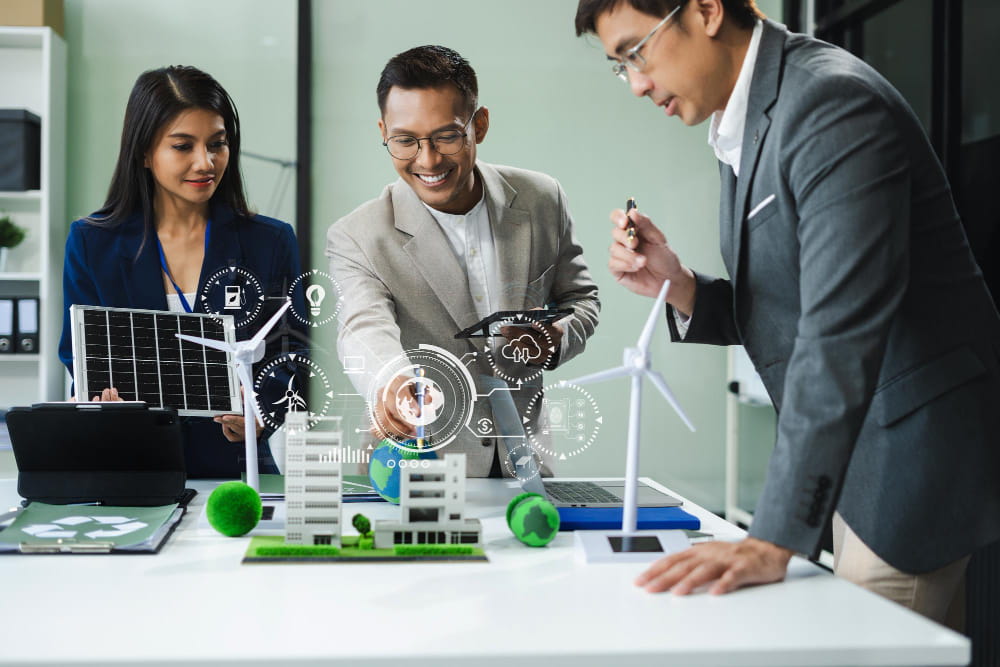
EV manufacturing in India offers opportunities across a broad industrial ecosystem. Building an electric vehicle requires batteries, motors, electronic systems, mechanical components, software and specialised production equipment. For manufacturers and suppliers, the opportunity lies in identifying where their capabilities can meet the requirements of vehicle makers and other industry customers.
Businesses working in automotive components, electronics, precision engineering, plastics and metal fabrication may find relevant applications within the EV supply chain. However, entering this sector requires more than adapting a product description. Companies need to understand technical specifications, validate performance and demonstrate consistent manufacturing quality.
This article explores the main opportunities in electric vehicle manufacturing and the practical considerations for businesses planning to participate.
Understanding the EV Manufacturing Ecosystem in India
The EV manufacturing ecosystem connects vehicle manufacturers with component suppliers, technology developers, equipment providers and service businesses.
Original equipment manufacturers, commonly known as OEMs, integrate these products and technologies into finished vehicles. Some suppliers deliver individual parts, while others provide complete assemblies or systems. Manufacturing equipment companies support production through machinery, inspection systems and testing facilities.
For a business exploring the sector, understanding this structure helps identify the right customer. A precision engineering company might supply motor housings to a system manufacturer, while an electronics business might develop control hardware for a vehicle maker.
The most suitable entry point depends on existing capabilities, the investment required and the ability to meet customer expectations.
Opportunities in EV Component Manufacturing
Electric vehicle component manufacturing includes electrical, electronic and mechanical products. Each category creates different opportunities for suppliers.
Electric motors and controllers are central to propulsion. Businesses entering these areas need the engineering capabilities to meet performance requirements and support product validation. Power electronics also play an important role in managing energy within the vehicle and during charging.
Wiring harnesses, connectors and electrical assemblies support communication and power distribution. Suppliers must understand the conditions in which their products will operate, including vibration, temperature and exposure to moisture.
Mechanical components provide another possible route into the EV supply chain. Motor housings, battery enclosures, brackets, fasteners and structural parts can involve processes already familiar to manufacturers working in casting, machining, moulding and fabrication.
Existing experience can provide a starting point, but every product must be assessed against the intended application. Materials, dimensions, sealing, durability and production consistency may need to meet customer-specific requirements.
Battery Pack Manufacturing and Supporting Technologies
Battery-related manufacturing is a significant part of the EV ecosystem, but battery cell production and battery pack assembly are different activities.
Cell manufacturing involves specialised production processes and infrastructure. Pack assembly integrates cells with electrical connections, protective structures, monitoring systems and thermal management arrangements.
Manufacturers exploring battery pack opportunities should assess their capabilities in design, assembly, testing and process control. A pack needs to suit the vehicle’s operating requirements, rather than simply achieve a particular capacity.
Supporting opportunities also exist in battery enclosures, cooling components, interconnects, monitoring hardware and production equipment. Battery management systems require expertise in electronics, software and validation.
Traceability is important throughout battery production. Clear records can help manufacturers identify the materials and components used in a product, investigate faults and manage corrective actions.
EV Charging Equipment Manufacturing
Charging equipment creates opportunities beyond finished vehicles. Businesses may manufacture complete charging systems or supply components used within them.
Potential applications include power conversion modules, cables, connectors, protective enclosures and monitoring hardware. Software providers may contribute functions for charger management, user access and operational monitoring.
Manufacturers need to define the intended application before developing a product. Residential charging, public charging and fleet charging have different installation and operating requirements.
Customer expectations extend beyond rated power. Buyers also assess reliability, compatibility, maintenance access and technical support. Equipment designed for outdoor use must account for its operating environment.
For suppliers, working closely with charging system manufacturers and installation partners can help clarify requirements before committing to production.
Manufacturing Equipment, Automation and Testing
EV manufacturing opportunities also extend to the equipment used to build and inspect products.
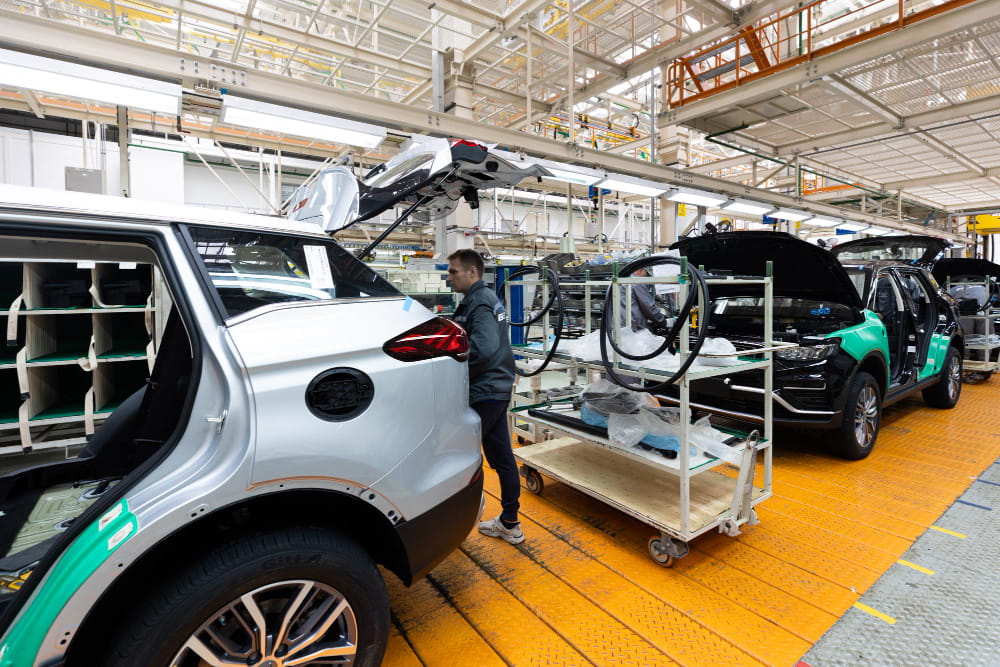
Assembly systems, fixtures, inspection tools and production monitoring software can help manufacturers achieve repeatable results. Equipment providers may support battery assembly, motor production, electrical testing or mechanical inspection.
Testing is especially important when a supplier introduces a new product or changes a manufacturing process. Customers need evidence that the product meets agreed specifications and performs under relevant conditions.
Automation should address a defined production need. Depending on the operation, that might involve improving consistency, reducing handling errors or increasing inspection coverage. The appropriate level of automation depends on production volume, product complexity and process requirements.
Equipment suppliers that understand these practical needs can develop solutions suited to their customers’ facilities.
How Existing Manufacturers Can Enter the EV Supply Chain
Existing manufacturers should begin by assessing how their current capabilities relate to an EV application.
A metalworking business may have suitable machinery for housings or brackets. A plastics manufacturer may be able to produce protective covers or connector-related parts. An electronics company may have capabilities relevant to control systems or monitoring equipment.
The next step is to understand the customer’s specifications. This includes the product’s function, operating conditions, testing requirements and expected production volume.
Businesses should then identify gaps in equipment, skills, materials and quality processes. Some opportunities may require modest changes, while others demand substantial development and investment.
A focused entry strategy is often easier to manage than pursuing several unfamiliar products at once. Developing one suitable product, validating it and establishing a dependable production process can provide a foundation for further expansion.
What EV Manufacturers Expect from Suppliers
EV manufacturers need suppliers that can deliver consistent products and respond effectively when requirements change.
Technical capability is one part of supplier selection. Customers also assess manufacturing capacity, delivery performance, documentation and the ability to investigate problems.
Samples and test results help demonstrate initial suitability. Production records and process controls help establish whether the same quality can be maintained across repeated orders.
Clear communication is also essential. Suppliers should be able to explain specifications, identify limitations and discuss changes before those changes affect production or delivery.
Applicable standards and certification requirements vary by product, market and customer. Manufacturers should confirm the requirements for their specific application rather than assume that one approval covers every EV component.
Challenges for EV Manufacturers and Suppliers
Entering the EV supply chain can involve development expenditure before regular orders are secured. Product design, tooling, testing and customer qualification may require time and resources.
Order volumes can also differ from early expectations. Businesses need to assess whether equipment and staffing decisions remain practical under different demand conditions.
Material availability and component sourcing present additional challenges. Suppliers must consider lead times, alternative sources and the effect of substitutions on product performance.
Changing specifications can require design revisions or new validation work. Managing these changes through clear documentation helps reduce confusion between the customer and supplier.
Skilled workers are another important consideration. Training may be needed in electrical systems, production processes, testing and safe handling, depending on the activity.
A realistic assessment of these requirements helps businesses select opportunities they can support over the long term.
Building OEM and Business Partnerships
Finding a potential buyer is the beginning of a supplier relationship. Progress usually depends on demonstrating that the product meets a specific requirement.
Initial discussions should clarify the customer’s application, specifications and expected volumes. Sampling and validation can then establish whether the proposed solution is suitable.
Pilot orders allow both parties to assess production quality, delivery and support before expanding the relationship. Commercial discussions should address pricing, lead times, warranty responsibilities and how changes will be managed.
Suppliers can strengthen their position by presenting clear evidence of their capabilities. Product documentation, manufacturing information and relevant test results are more useful than broad claims about quality.
Reliable execution over time is what turns an initial order into a lasting business relationship.
How EV Exhibitions Support Manufacturers and Suppliers
EV exhibitions provide opportunities for businesses to meet vehicle manufacturers, component buyers, technology companies and charging providers.
Suppliers can use these platforms to demonstrate products, explain manufacturing capabilities and discuss customer requirements directly. Visitors can compare technologies and identify potential partners across the supply chain.
Platforms such as EV India Expo can support connections between manufacturers, suppliers and other industry participants. For a business entering the sector, these discussions can help reveal the specifications, applications and commercial expectations that matter to potential customers.
Exhibition participation is most useful when supported by clear product information and a structured follow-up process. Meetings should lead to practical next steps, such as technical discussions, sample requests or facility visits.
Conclusion
EV manufacturing in India offers opportunities across components, battery systems, charging equipment, production technology and engineering services. The right opportunity for a business depends on its capabilities and the requirements of the customers it intends to serve.
Manufacturers and suppliers should focus on technical readiness, consistent quality, clear documentation and dependable delivery. Understanding the application and validating the product are essential steps before scaling production.
For businesses prepared to develop these capabilities, the EV supply chain provides scope to build new customer relationships and contribute to electric mobility. Long-term success will depend on meeting real requirements with products and services that customers can trust.
Frequently Asked Questions
What opportunities are available in EV manufacturing in India?
Opportunities include electrical and mechanical components, battery pack systems, charging equipment, manufacturing machinery, testing tools and engineering services. Suitability depends on a company’s technical capabilities and the requirements of its target customers.
How can an existing manufacturer enter the EV supply chain?
An existing manufacturer can identify a relevant application, obtain customer specifications and assess gaps in equipment, skills and quality processes. Product development, testing and customer qualification should follow before larger production commitments.
What is the difference between battery cell manufacturing and battery pack assembly?
Battery cell manufacturing produces the individual cells that store energy. Battery pack assembly integrates cells with connections, protective structures, monitoring systems and other components needed for the intended application.
What do EV OEMs look for in suppliers?
OEMs assess technical performance, consistent quality, production capacity, delivery reliability, documentation and support. Requirements vary according to the component and its role in the vehicle.
Do all EV components require the same certifications?
No. Applicable requirements depend on the product, intended use, market and customer specifications. Suppliers should confirm the relevant testing and approval requirements for each application.
How can EV component manufacturers find buyers?
Manufacturers can approach relevant OEMs and system suppliers, participate in supplier development activities and attend industry exhibitions. Clear technical information, suitable samples and evidence of manufacturing capability can support buyer discussions.
What are the main challenges in EV component manufacturing?
Challenges can include development costs, customer qualification, uncertain volumes, material sourcing, changing specifications and access to skilled workers. Businesses should assess these factors before selecting a product category.
How do EV exhibitions help manufacturers and suppliers?
EV exhibitions create opportunities to demonstrate products, meet potential customers, compare technologies and discuss sourcing needs. They can support business development when followed by technical engagement and consistent follow-up.
Share this content:
Post Comment